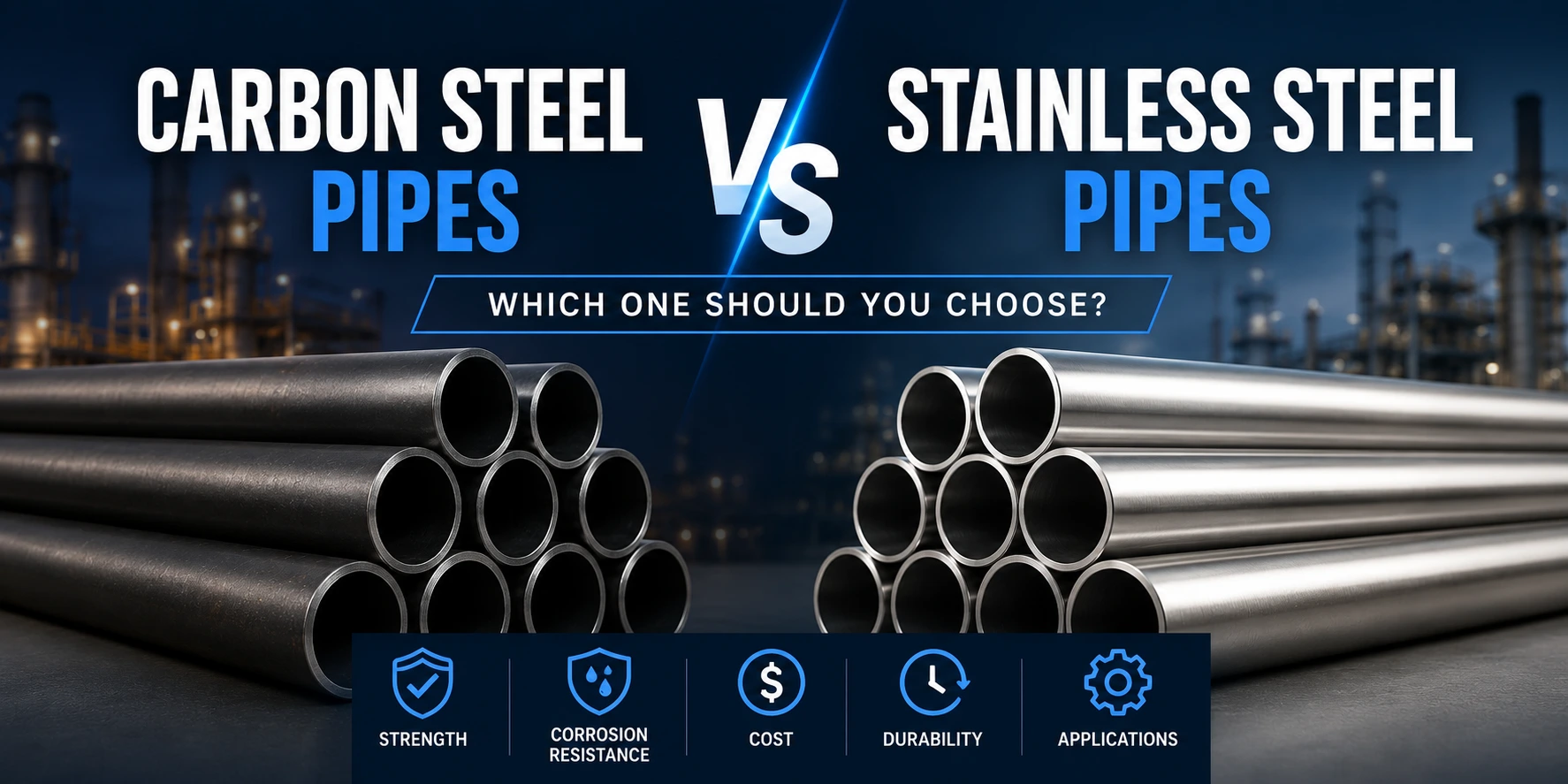
Understanding the pressure rating of a pipe is essential when selecting piping materials for industrial systems. A pipe may look suitable based on its size and wall thickness, but its ability to safely handle internal pressure depends on several engineering factors.
For engineers, EPC contractors, procurement teams, and industrial buyers, pressure rating must be evaluated alongside material grade, pipe dimensions, wall thickness, operating temperature, design conditions, corrosion allowance, manufacturing requirements, and the applicable design code.
A common mistake is to assume that a pipe’s Schedule number alone determines how much pressure it can withstand. In reality, Schedule primarily defines wall thickness for a given nominal pipe size, while the allowable pressure depends on several additional factors.
This guide explains how pipe pressure rating works, what affects it, how pipe schedule relates to pressure capacity, and what engineers should check before selecting a pipe for pressure service.
What Is Pipe Pressure Rating?
Pipe pressure rating is the maximum pressure that a pipe or piping component can safely withstand under specified conditions. It depends on factors including material strength, pipe diameter, wall thickness, operating temperature, manufacturing method, corrosion allowance, and the applicable design code. Pipe schedule affects pressure capacity because it determines wall thickness, but Schedule alone does not define the complete pressure rating of a pipe.
For an actual engineering application, the pressure capability should be established according to the relevant piping code, material specification, dimensions, temperature, and design conditions rather than relying on a generic pressure chart.
What Is Pipe Pressure Rating?
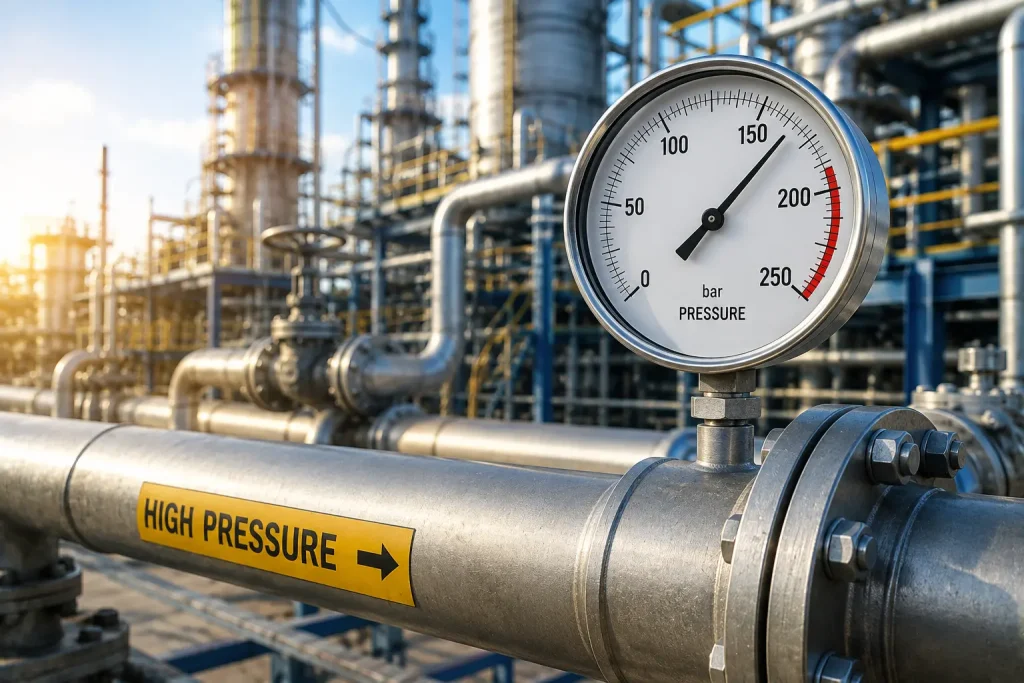
Pipe pressure rating refers to the pressure a pipe can safely withstand under defined service conditions.
When a fluid is contained inside a pipe, it creates internal pressure against the pipe wall. This pressure produces stresses within the pipe material.
The pipe must have sufficient strength and wall thickness to withstand these stresses while maintaining the required safety and service performance.
However, there is no single universal pressure rating for every pipe.
For example, two pipes can have:
- The same nominal size
- The same Schedule
- Similar outside dimensions
but different pressure capabilities because they use different materials, grades, temperatures, manufacturing requirements, or design conditions.
Therefore, pressure rating should always be evaluated using the complete pipe specification
What Determines the Pressure Rating of a Pipe?
Several factors influence how much internal pressure a pipe can safely withstand.
The major factors include:
- Material and grade
- Pipe outside diameter
- Wall thickness
- Operating temperature
- Design pressure
- Corrosion allowance
- Manufacturing method
- Weld or joint efficiency where applicable
- Applicable piping design code
- Service conditions
Let’s look at each factor.
1. Pipe Material and Grade
The material used to manufacture a pipe has a major influence on its pressure capability.
Common industrial piping materials include:
- Carbon steel
- Stainless steel
- Alloy steel
Within each material category, different grades can have different mechanical properties.
For example, industrial specifications may include grades such as:
- ASTM A106 Grade B
- ASTM A53 Grade B
- API 5L Grade B
- API 5L X42
- API 5L X52
- API 5L X65
Material properties such as yield strength, tensile strength, and allowable stress at the design temperature influence the pressure that can be safely accommodated.
This is why simply knowing that a pipe is “carbon steel” is not enough for engineering selection.
The complete material specification and grade need to be identified.
2. Pipe Outside Diameter
Pipe diameter also affects the stresses generated by internal pressure.
As pipe diameter increases, the internal pressure acts over a larger circumference. For a comparable material and wall thickness, a larger diameter generally experiences greater circumferential stress for a given internal pressure.
This is one reason why engineers cannot use the pressure capability of one pipe size as a direct reference for another size.
Because pipe diameter affects the stresses generated by internal pressure, engineers should verify the actual dimensions associated with the selected nominal size. A standard pipe size chart can help engineers check NPS, NB, outside diameter, wall thickness, and related pipe dimensions before selecting a pipe for a pressure application.
For example:
NPS 2 SCH 40
and
NPS 12 SCH 40
do not have the same wall thickness or pressure capability simply because both are Schedule 40.
Schedule is a designation applied across different nominal sizes; the actual dimensions must always be checked for the specific NPS.
3. Wall Thickness
Wall thickness is one of the most important physical factors affecting pressure capacity.
In simplified terms, a thicker pipe wall can provide greater resistance to the stresses produced by internal pressure, assuming other relevant conditions remain comparable.
This is why pipes with different wall thicknesses can have different pressure capabilities even when they have the same nominal size.
For example, an NPS pipe may be available in:
- SCH 20
- SCH 40
- SCH 80
- SCH 160
Each schedule corresponds to a particular standardized wall thickness for that nominal size.
However, wall thickness should not be treated as a standalone pressure rating.
The material, temperature, diameter, corrosion allowance, design code, and other requirements still need to be considered.
4. Operating Temperature
Temperature is another critical factor in pipe pressure design.
Material strength and allowable stresses can change as temperature changes. In many applications, an increase in temperature can reduce the allowable stress used in design.
This means that a pipe that appears capable of handling a particular pressure at one temperature may have a different allowable pressure at a higher design temperature.
Therefore, engineers should evaluate:
- Normal operating temperature
- Maximum operating temperature
- Design temperature
- Temperature fluctuations
when determining pressure requirements.
Important:
Pressure capability should never be evaluated without considering the applicable design temperature.
5. Design Pressure vs Operating Pressure
One of the most important concepts in piping design is the difference between operating pressure and design pressure.
Operating Pressure
Operating pressure is the pressure normally experienced by the piping system during its intended operation.
Design Pressure
Design pressure is the pressure used for designing the piping system and establishing its required pressure capability under the applicable design conditions.
The design pressure is not necessarily the same as the normal operating pressure.
For example, a system may normally operate at a lower pressure but require a higher design pressure to account for possible operating conditions.
Engineers therefore need to select piping based on the applicable design requirements, rather than simply using the normal operating pressure.
6. Corrosion Allowance
For many industrial applications, the pipe may be exposed to corrosive fluids or environmental conditions over its service life.
As corrosion reduces wall thickness, the pipe’s ability to withstand pressure can also be affected.
A corrosion allowance may therefore be included during design to account for expected material loss.
This is particularly relevant in industries such as:
- Oil and gas
- Petrochemical
- Chemical processing
- Water treatment
- Power generation
The required corrosion allowance depends on the application, material, service conditions, expected corrosion mechanism, and project engineering requirements.
7. Manufacturing Method
The manufacturing method can also be relevant when evaluating a pipe for pressure service.
Common pipe manufacturing methods include:
Seamless Pipe
Seamless pipe is manufactured without a longitudinal welded seam.
ERW Pipe
ERW stands for Electric Resistance Welded and refers to a welded pipe manufacturing process.
SAW Pipe
SAW stands for Submerged Arc Welding and is used for certain welded pipe products, particularly larger-diameter applications.
The applicable product specification establishes requirements for the manufacturing process, testing, dimensions, and quality.
Therefore, engineers should verify whether the project requires a seamless or specific welded pipe construction rather than assuming that all pipes with the same dimensions have identical pressure-service characteristics.
8. Weld or Joint Efficiency
For welded piping, the characteristics and quality of the weld can be relevant to pressure design.
Depending on the applicable design code and construction requirements, a weld joint efficiency or related weld factor may be incorporated into calculations.
This is one of the reasons pressure calculations should follow the relevant engineering code rather than using a generic formula without considering the actual pipe construction.
The applicable requirements can depend on:
- Pipe manufacturing process
- Weld type
- Inspection requirements
- Non-destructive examination
- Applicable design code
- Service conditions
9. Applicable Piping Design Code
The applicable piping code is critical when determining pressure design requirements.
Depending on the application, engineers may work with standards and codes such as:
- ASME B31.3 – Process Piping
- ASME B31.4 – Pipeline Transportation Systems for Liquids and Slurries
- ASME B31.8 – Gas Transmission and Distribution Piping Systems
The correct code depends on the type of piping system and its intended service.
The code can establish requirements for:
- Design
- Material selection
- Allowable stresses
- Wall thickness
- Temperature effects
- Fabrication
- Examination
- Testing
Therefore, a pipe should not be selected using a pressure chart without confirming that the chart and assumptions are appropriate for the project.
10. Service Conditions
The fluid flowing through the pipe can also influence material and design selection.
Engineers may need to consider:
- Fluid type
- Corrosiveness
- Toxicity
- Flammability
- Temperature
- Pressure
- Flow conditions
- Erosion
- Cyclic loading
A pipe suitable for one service may not be appropriate for another even if its nominal pressure requirement appears similar.
This is particularly important in oil & gas, petrochemical, chemical, and process piping applications.
Pipe Pressure Rating vs Pipe Schedule
This is one of the most commonly misunderstood areas of industrial piping.
Pipe Schedule
Schedule is primarily a standardized designation associated with pipe wall thickness for a given nominal pipe size.
Common schedules include:
- SCH 10
- SCH 20
- SCH 40
- SCH 80
- SCH 120
- SCH 160
Pressure Rating
Pressure rating refers to the pressure that a pipe or piping component can safely withstand under specified conditions.
Therefore:
Pipe Schedule and Pressure Rating are related, but they are not the same thing.
A higher Schedule generally means a thicker wall for the same NPS, which can increase pressure capacity under comparable conditions.
But you cannot simply say:
SCH 80 = X bar
for every pipe.
The allowable pressure depends on the specific pipe size, material, temperature, dimensions, applicable code, and design assumptions.
Does a Higher Pipe Schedule Always Mean Higher Pressure Capacity?
For a given nominal pipe size and otherwise comparable conditions, increasing wall thickness generally improves resistance to internal pressure.
However, saying that a higher Schedule automatically gives a specific pressure rating would be misleading.
For example, the pressure capability of:
NPS 4 SCH 40
cannot be compared properly with:
NPS 4 SCH 80
without considering the material, temperature, design code, corrosion allowance, and other applicable requirements.
The correct approach is to determine the required wall thickness and allowable pressure according to the applicable engineering standard.
How Pipe Schedule Affects Pressure Capacity
The relationship can be understood conceptually:
Higher wall thickness → greater resistance to internal pressure
But:
Pipe Schedule → standardized wall thickness designation
not:
Pipe Schedule → universal pressure rating
This distinction is extremely important during pipe selection.
For example, Schedule 40 does not represent the same physical wall thickness across every nominal pipe size. Therefore, the actual dimensions for the specific NPS must be checked.
A Simple Example
Consider two pipes with the same nominal size:
NPS 6 SCH 40
and
NPS 6 SCH 80
The Schedule 80 pipe has a thicker wall than the Schedule 40 pipe for that nominal size.
All other conditions being comparable, the thicker wall provides greater resistance to internal pressure.
However, an engineer still needs to check:
- Pipe material
- Grade
- Design temperature
- Design pressure
- Corrosion allowance
- Applicable design code
- Manufacturing requirements
- Testing requirements
before determining whether either pipe is suitable for the application.
Can You Calculate Pipe Pressure Rating From Wall Thickness?
A simplified pressure relationship can help explain the engineering concept.
For a thin-wall cylindrical pipe, internal pressure produces circumferential stress commonly described using the relationship:
Hoop Stress ≈ P × D / (2t)
Where:
- P = internal pressure
- D = pipe diameter
- t = wall thickness
This illustrates an important relationship:
- Higher pressure increases stress
- Larger diameter increases stress
- Greater wall thickness reduces stress
However, this is a simplified relationship, not a complete pipe design calculation.
Actual industrial piping design must account for the applicable code, material allowable stress, temperature, corrosion allowance, construction method, weld requirements, and other design factors.
Key Takeaway for Engineers
When evaluating pipe pressure capacity, don’t ask only:
“What Schedule is the pipe?”
Instead, ask:
“What is the material, grade, size, wall thickness, temperature, design pressure, service condition, and applicable design code?”
That complete engineering picture determines whether the selected pipe is appropriate for the application.
How Much Pressure Can a Steel Pipe Handle?
There is no single pressure value that applies to every steel pipe. The pressure a steel pipe can safely handle depends on its material, grade, outside diameter, wall thickness, temperature, manufacturing requirements, corrosion allowance, and applicable design code.
For example, two carbon steel pipes with the same nominal size can have different allowable pressures if their wall thicknesses, grades, temperatures, or design conditions differ.
Therefore, statements such as “SCH 40 can handle X bar” should not be treated as universal engineering values.
A proper pressure evaluation should consider the complete specification and the conditions under which the pipe will operate.
Pipe Pressure Rating for Carbon Steel Pipes
Carbon steel pipes are widely used in industrial piping because of their strength, availability, and suitability for many pressure and temperature applications.
For projects requiring carbon steel piping, Carbon Steel Pipe Suppliers UAE can provide pipes in different grades, sizes, schedules, and specifications according to project requirements.
Common specifications include:
- ASTM A106
- ASTM A53
- API 5L
However, the fact that a pipe is manufactured from carbon steel does not automatically determine its pressure capacity.
Engineers still need to evaluate:
- Material grade
- Pipe size
- Wall thickness
- Design pressure
- Design temperature
- Corrosion allowance
- Manufacturing method
- Applicable design code
- Inspection and testing requirements
For example, ASTM A106 Grade B identifies a particular carbon steel pipe specification and grade, but the allowable pressure of a specific pipe still depends on its actual dimensions and design conditions.
For projects requiring carbon steel piping, procurement teams should therefore specify the complete technical requirements rather than simply requesting “carbon steel pipe.”
How Temperature Changes Pipe Pressure Capacity
Temperature is particularly important when evaluating pressure-containing piping.
As temperature changes, the allowable stress associated with a material can also change. At elevated temperatures, some materials may have lower allowable stresses than they do at ambient temperature.
This means that a pipe should not be assigned one pressure capability without specifying the relevant temperature.
For engineering evaluation, consider:
- Design temperature
- Maximum operating temperature
- Minimum operating temperature where relevant
- Material grade
- Applicable code
- Pressure conditions
Example
A pipe operating at relatively low temperature and the same pipe operating at a significantly elevated temperature may not have the same allowable pressure.
The applicable design code and material tables should therefore be used for the actual design conditions.
Design Pressure vs Test Pressure vs Operating Pressure
These terms are often confused during procurement and project discussions.
Pressure | Meaning |
Operating Pressure | Pressure normally experienced during system operation |
Design Pressure | Pressure used as a basis for engineering design |
Test Pressure | Pressure applied during a specified pressure test |
MAWP | Maximum Allowable Working Pressure under defined conditions |
These values are not automatically interchangeable.
Operating Pressure
This represents the pressure expected during normal operation.
Design Pressure
Design pressure is established for engineering design and is used to ensure the piping system has adequate capability under the specified design conditions.
Test Pressure
A pressure test is performed according to the applicable standard, code, or project requirements to verify system integrity.
MAWP
Maximum Allowable Working Pressure (MAWP) represents the maximum permissible working pressure under specified conditions, taking relevant material and design limitations into account.
The exact definitions and calculation requirements should always be taken from the applicable code and project specification.
Pipe Pressure Rating vs Flange Pressure Class
Another common misconception is treating pipe pressure rating and flange pressure class as the same thing.
They are related to the overall piping system but represent different concepts.
A flange may be specified using a pressure class such as:
- Class 150
- Class 300
- Class 600
- Class 900
- Class 1500
- Class 2500
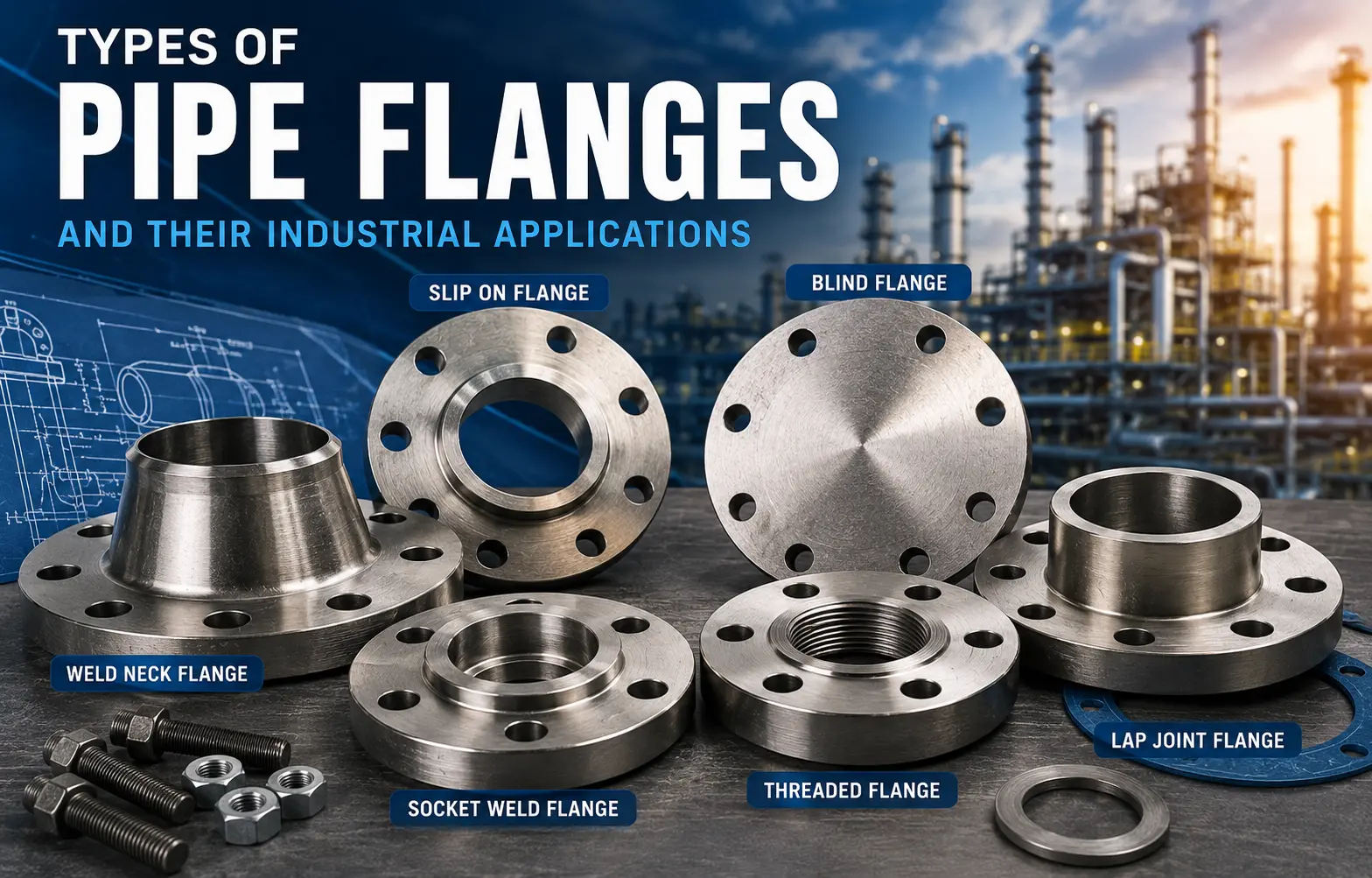
Engineers should also consider the types of pipe flanges used in a piping system when selecting pressure-rated components and ensuring compatibility between pipes, flanges, and other connected equipment.
However, these Class designations should not be interpreted as direct pressure values in psi or bar across all temperatures and materials.
The allowable pressure associated with a flange pressure class depends on the applicable standard, material, and temperature.
Similarly, the pressure capability of a pipe depends on its own material, dimensions, temperature, and applicable design requirements.
Simple distinction:
Pipe pressure capacity → pipe material + dimensions + design conditions
Flange pressure class → flange standard + material + temperature
This distinction is important when selecting compatible piping components.
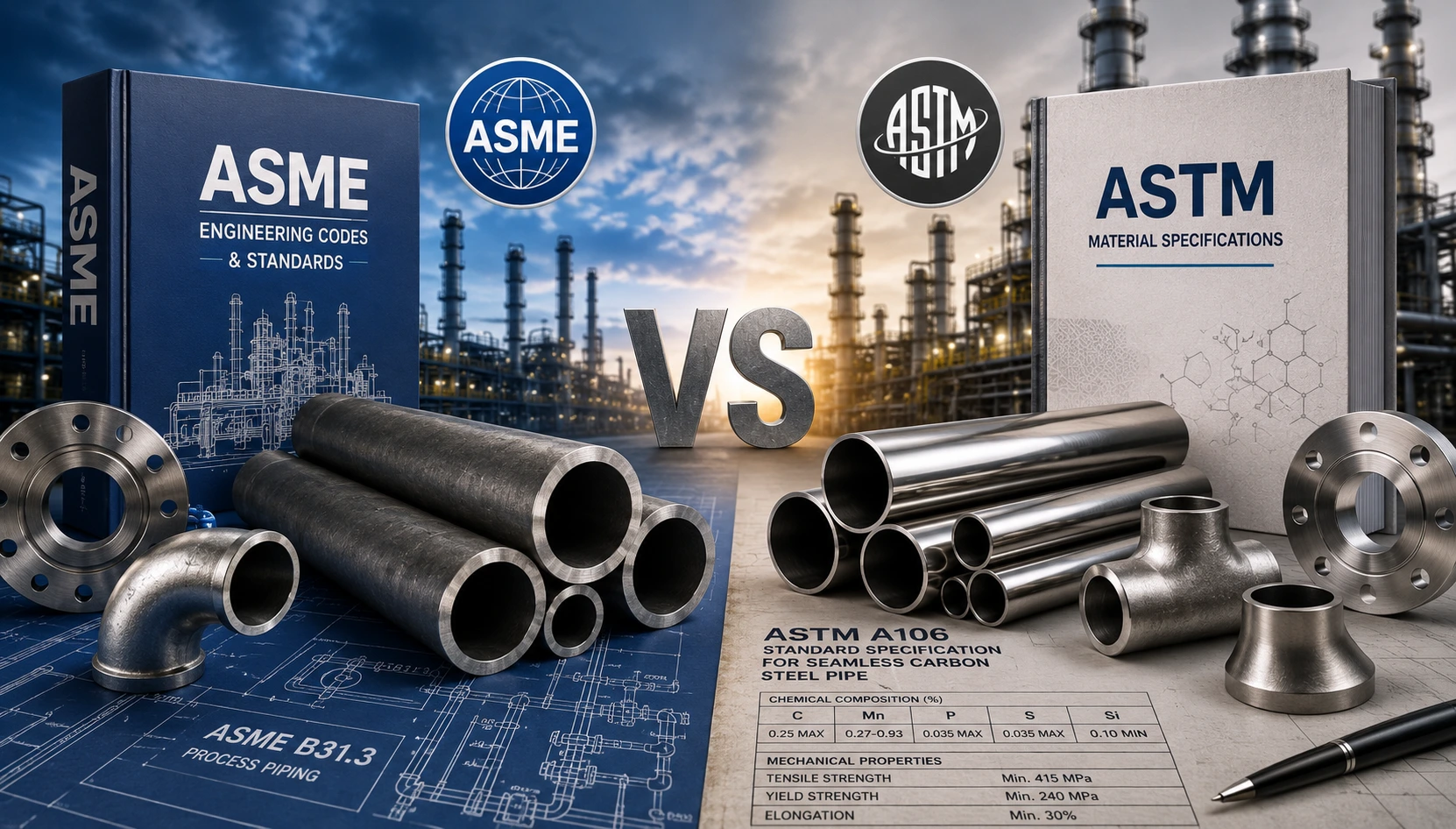
Pressure Rating and Pipe Standards
Standards provide the technical framework used to manufacture, dimension, test, or design piping products and systems.
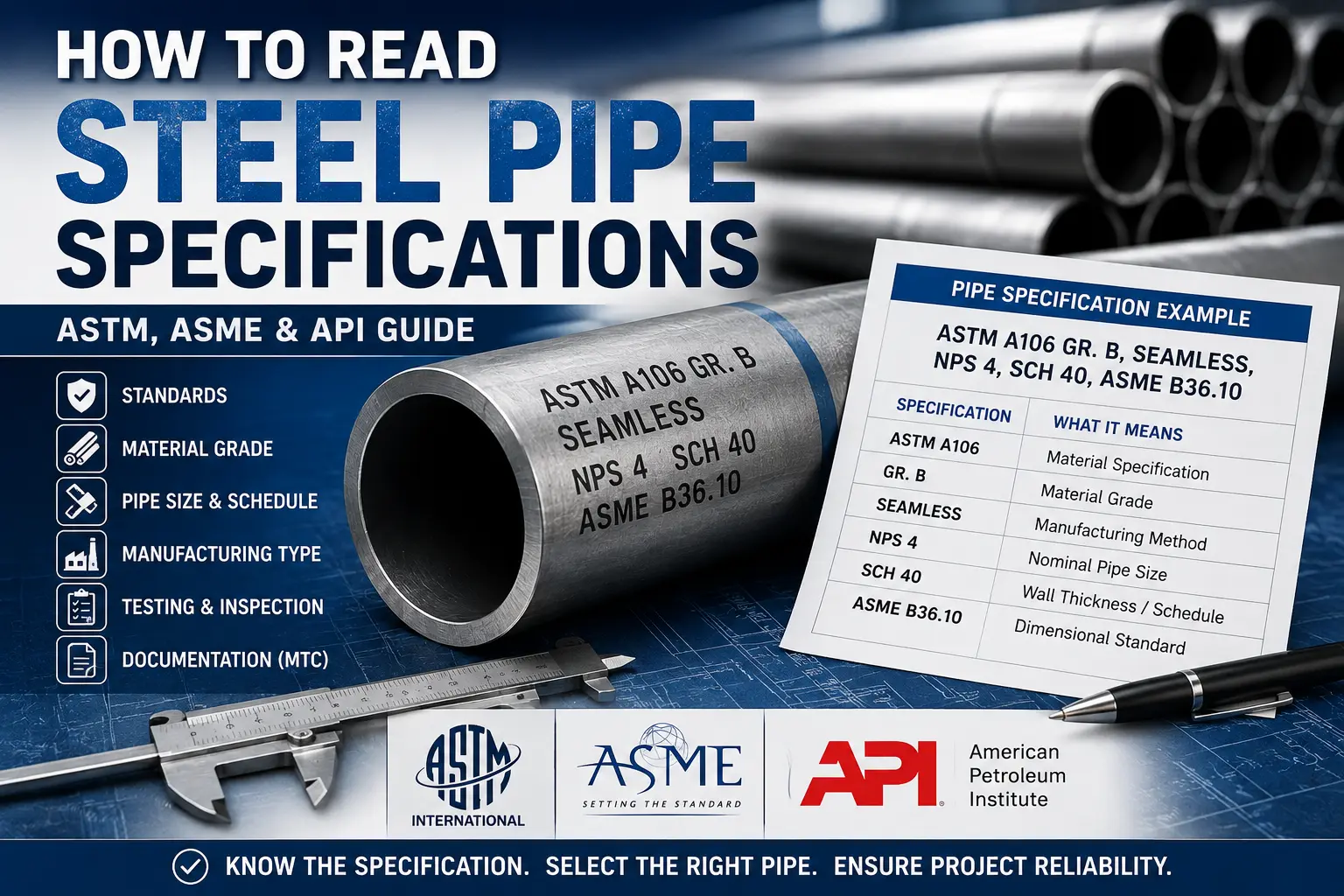
Before evaluating pressure requirements, engineers should first understand how steel pipe specifications identify material grade, manufacturing method, dimensions, testing requirements, and applicable standards.
ASTM
ASTM specifications can establish requirements for materials and products.
Examples include:
- ASTM A106
- ASTM A53
- ASTM A312
These specifications can address requirements related to chemical composition, mechanical properties, manufacturing, testing, and inspection.
ASME
ASME standards and codes are widely used for piping design and dimensions.
Examples include:
- ASME B31.3
- ASME B31.4
- ASME B31.8
- ASME B36.10
- ASME B36.19
The specific standard or code applicable to a project depends on the piping system and its intended service.
API
API standards are widely used in oil and gas applications.
API 5L, for example, provides requirements for line pipe used in pipeline transportation systems.
Depending on the application, API specifications can establish requirements related to:
- Product grades
- Manufacturing
- Testing
- Inspection
- Documentation
The applicable API requirements should always be checked against the project specification
How to Select the Right Pipe for High-Pressure Applications
Selecting a pipe for high-pressure service requires more than choosing a thicker wall.
Engineers should follow a structured evaluation.
Step 1: Determine Design Pressure
Establish the pressure that the piping system needs to be designed for.
Do not rely only on normal operating pressure.
Step 2: Determine Design Temperature
Identify the temperature at which the pipe needs to perform under the design conditions.
Step 3: Identify the Fluid
Consider the characteristics of the fluid being transported.
For example:
- Water
- Steam
- Oil
- Natural gas
- Chemicals
- Hydrocarbons
The service can affect material selection and design requirements.
Step 4: Select the Material and Grade
Choose the appropriate material based on:
- Strength
- Temperature
- Corrosion resistance
- Compatibility with the fluid
- Applicable specification
Step 5: Determine Pipe Size
Select the required NPS based on the required flow, velocity, system design, and connection requirements.
Remember that NPS is a nominal designation, so the actual outside diameter and wall thickness should be verified using the applicable dimensional standard.
Step 6: Determine Required Wall Thickness
Wall thickness should be established based on the applicable design code and the relevant design conditions.
Consider:
- Internal pressure
- Diameter
- Allowable stress
- Temperature
- Corrosion allowance
- Manufacturing/joint requirements
Step 7: Verify the Applicable Code
Confirm which piping code governs the project.
For example:
- ASME B31.3
- ASME B31.4
- ASME B31.8
The correct code depends on the application.
Step 8: Check Testing and Documentation
Before procurement or installation, verify the required:
- Hydrostatic testing
- Non-destructive examination
- Mechanical testing
- Chemical analysis
- Dimensional inspection
- Material Test Certificate
- Heat number and traceability
For industrial projects, working with a reliable Steel Pipe Supplier UAE can help procurement teams source pipes according to the required material grade, dimensions, applicable standards, testing requirements, and project specifications.
Common Mistakes When Evaluating Pipe Pressure Rating
Mistake 1: Assuming Schedule Alone Determines Pressure Rating
Schedule primarily relates to wall thickness.
It does not provide a universal pressure rating independent of material and design conditions.
Mistake 2: Ignoring Temperature
A pressure value without its corresponding temperature and material conditions can be misleading.
Always check the applicable temperature-dependent requirements.
Mistake 3: Confusing Operating Pressure With Design Pressure
Normal operating pressure may be lower than the pressure used for design.
The applicable design requirements must be established before selecting the pipe.
Mistake 4: Using Generic Online Pressure Charts
Online charts can be useful for preliminary reference, but they should not replace the applicable engineering standard or project calculation.
A chart may assume a particular:
- Material
- Temperature
- Pipe size
- Wall thickness
- Design code
- Safety factor
Changing any of these conditions can change the result.
Mistake 5: Assuming All Steel Pipes Have the Same Pressure Capability
Carbon steel, stainless steel, and alloy steel have different properties.
Even pipes made from the same general material category can have different grades and allowable stresses.
Mistake 6: Ignoring Corrosion Allowance
If corrosion is expected during service, the design must account for the required material loss according to the applicable engineering requirements.
Mistake 7: Confusing Pipe Pressure Rating With Flange Class
A Class 300 flange is not simply a flange that can universally handle 300 psi.
Pressure-temperature ratings need to be checked against the applicable standard, material, and temperature.
Pipe Pressure Rating Checklist for Engineers
Before approving a pipe for pressure service, verify:
☑ Design pressure
☑ Operating pressure
☑ Design temperature
☑ Fluid/service
☑ Material
☑ Grade
☑ NPS
☑ Outside diameter
☑ Wall thickness
☑ Pipe schedule
☑ Corrosion allowance
☑ Manufacturing method
☑ Weld/joint requirements
☑ Applicable design code
☑ Testing requirements
☑ Material certification
☑ Heat number and traceability
This checklist helps ensure that pipe selection is based on the complete engineering requirement rather than one specification such as Schedule or nominal size.
Conclusion
Pipe pressure rating is not determined by one number printed on a pipe. Material, grade, diameter, wall thickness, temperature, corrosion allowance, manufacturing method, and applicable design code all contribute to determining whether a pipe is suitable for a particular pressure service.
Pipe Schedule is an important part of the equation because it identifies standardized wall thickness, but it should not be treated as a standalone pressure rating. Similarly, operating pressure, design pressure, test pressure, and flange pressure class describe different aspects of a piping system.
For industrial applications, engineers and procurement teams should evaluate the complete pipe specification and project design requirements before selecting a product. Proper verification of dimensions, material grade, testing, certification, and traceability is especially important for critical applications such as oil & gas, petrochemical, chemical processing, and power generation.
When sourcing steel piping, the right selection starts with a clear technical specification and a supplier capable of providing material that matches the required standards, dimensions, testing, and documentation.
Frequently Asked Questions
Q1. What is pipe pressure rating?
Ans – Pipe pressure rating is the pressure capability of a pipe or piping component under specified material, dimensional, temperature, and design conditions. It should be evaluated according to the applicable engineering standard or code.
Q2. How is pipe pressure rating determined?
Ans – Pipe pressure capability is determined by considering factors such as material allowable stress, pipe diameter, wall thickness, temperature, corrosion allowance, manufacturing or weld requirements, and the applicable design code.
Q3. How much pressure can a steel pipe handle?
Ans – There is no universal pressure value for steel pipe. Pressure capability depends on the pipe’s material, grade, size, wall thickness, temperature, manufacturing requirements, and applicable design code.
Q4. Does pipe schedule affect pressure rating?
Ans – Yes. Pipe Schedule determines standardized wall thickness for a particular nominal pipe size, and a thicker wall can generally provide greater resistance to internal pressure under comparable conditions. However, Schedule alone does not define a universal pressure rating.
Q5. Is SCH 80 always higher pressure than SCH 40?
Ans – For the same nominal size, material, temperature, and comparable design conditions, SCH 80 has a thicker wall than SCH 40 and can generally provide greater pressure resistance. However, the actual allowable pressure must be established using the applicable design requirements.
Q6. What factors affect pipe pressure rating?
Ans – Important factors include material grade, outside diameter, wall thickness, design temperature, design pressure, corrosion allowance, manufacturing method, weld requirements, and applicable piping design code.
Q7. Does pipe size affect pressure rating?
Ans – Yes. Pipe diameter affects the stresses generated by internal pressure. Therefore, pressure calculations cannot be transferred directly from one nominal pipe size to another without evaluating the actual dimensions and design conditions.
Q8. How does temperature affect pipe pressure rating?
Ans – Material allowable stresses can change with temperature. At elevated temperatures, some materials may have lower allowable stresses, which can reduce the allowable pressure under the applicable design rules.
Q9. What is the difference between operating pressure and design pressure?
Ans – Operating pressure is the pressure normally experienced during operation, while design pressure is the pressure used as a basis for engineering design under specified design conditions. They should not automatically be treated as the same value.
Q10. What is the difference between pipe pressure rating and flange pressure class?
Ans – Pipe pressure capacity depends on factors such as pipe material, dimensions, temperature, and design code. Flange pressure class is a classification used for flanges under a specific standard and is also dependent on material and temperature. They are related but are not interchangeable.
Q11. Can pipe pressure rating be calculated from wall thickness?
Ans – Wall thickness is an important input in pressure calculations, but it is not sufficient by itself. Material allowable stress, pipe diameter, temperature, corrosion allowance, design code, and other applicable factors must also be considered.
Q12. Which standards are used to determine pipe pressure requirements?
Ans – The applicable standard depends on the piping application. Engineering codes such as ASME B31.3, B31.4, and B31.8 may be relevant to system design, while ASTM and API specifications can establish product and material requirements.