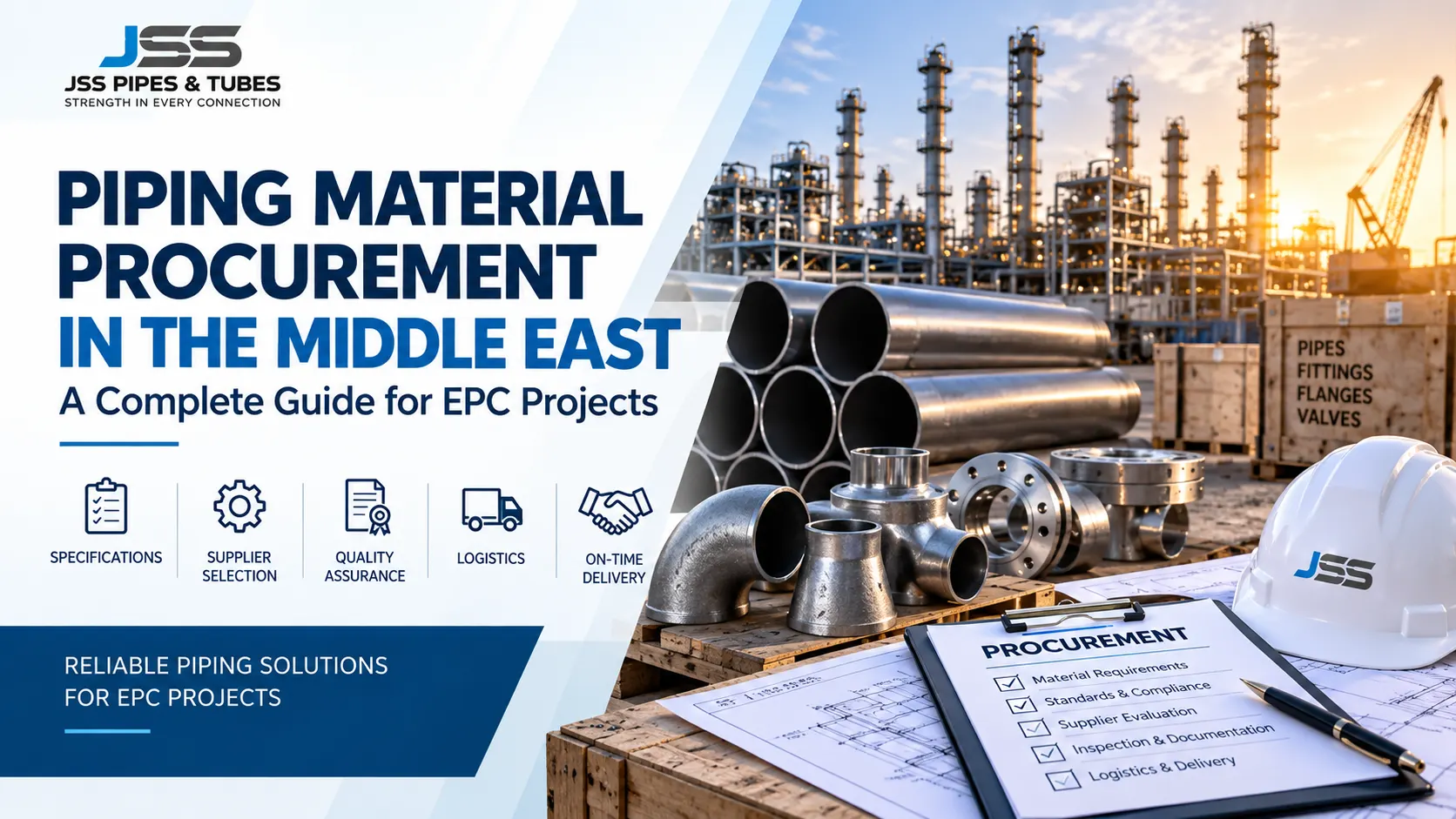
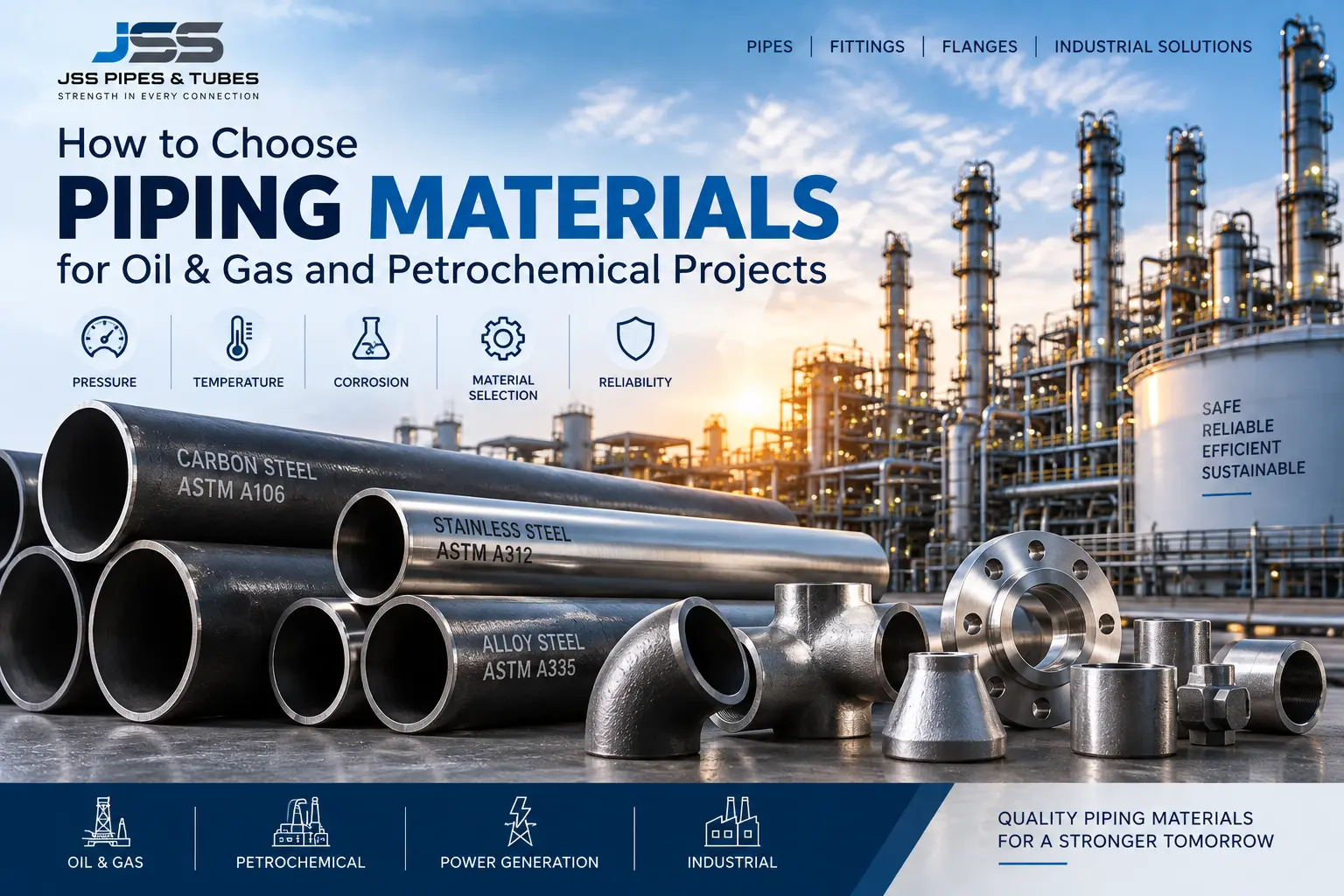
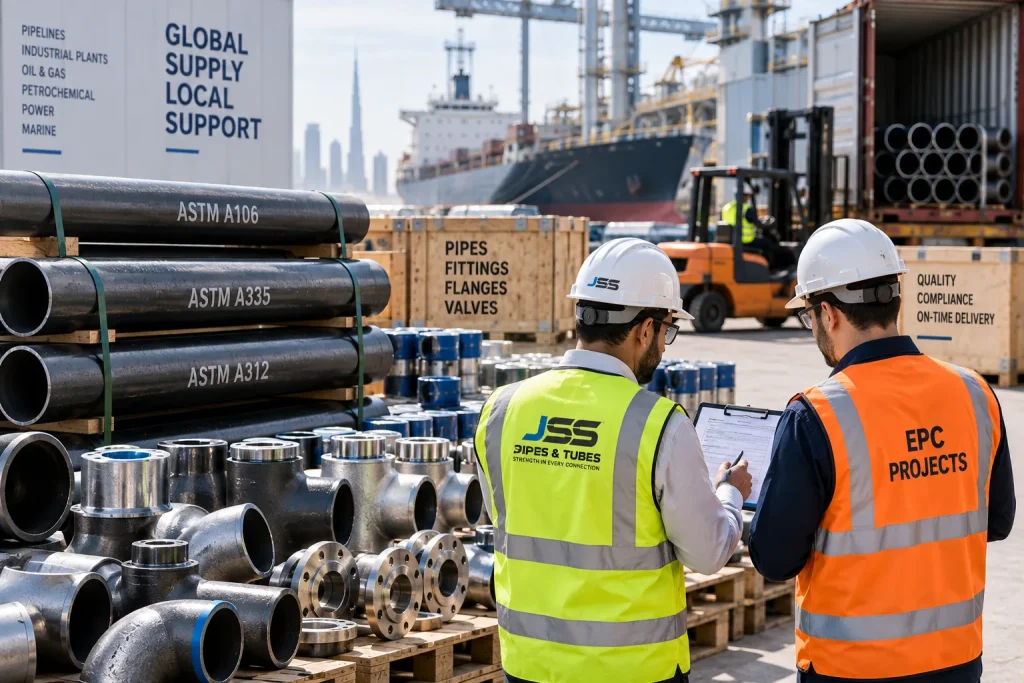
Piping material procurement is a critical part of every oil and gas, petrochemical, power, marine, and industrial EPC project. Pipes, fittings, flanges, valves, and related components must be sourced according to approved specifications, applicable standards, project requirements, quality procedures, and delivery schedules.
For EPC contractors operating in the Middle East, procurement can involve multiple suppliers, international manufacturers, inspection requirements, documentation, transportation, customs procedures, and strict project deadlines. Even a small discrepancy in material grade, dimensions, certification, or delivery can affect fabrication, installation, and overall project progress.
This guide explains the piping material procurement process in the Middle East, covering everything from preparing material requirements and selecting suppliers to technical evaluation, quality documentation, inspection, logistics, and final delivery.
What Is Piping Material Procurement?
Piping material procurement is the process of identifying, sourcing, purchasing, inspecting, and delivering piping components required for an industrial project.
Depending on the project, procurement may include:
- Carbon steel pipes
- Stainless steel pipes
- Alloy steel pipes
- Duplex and super duplex pipes
- Pipe fittings
- Butt-weld fittings
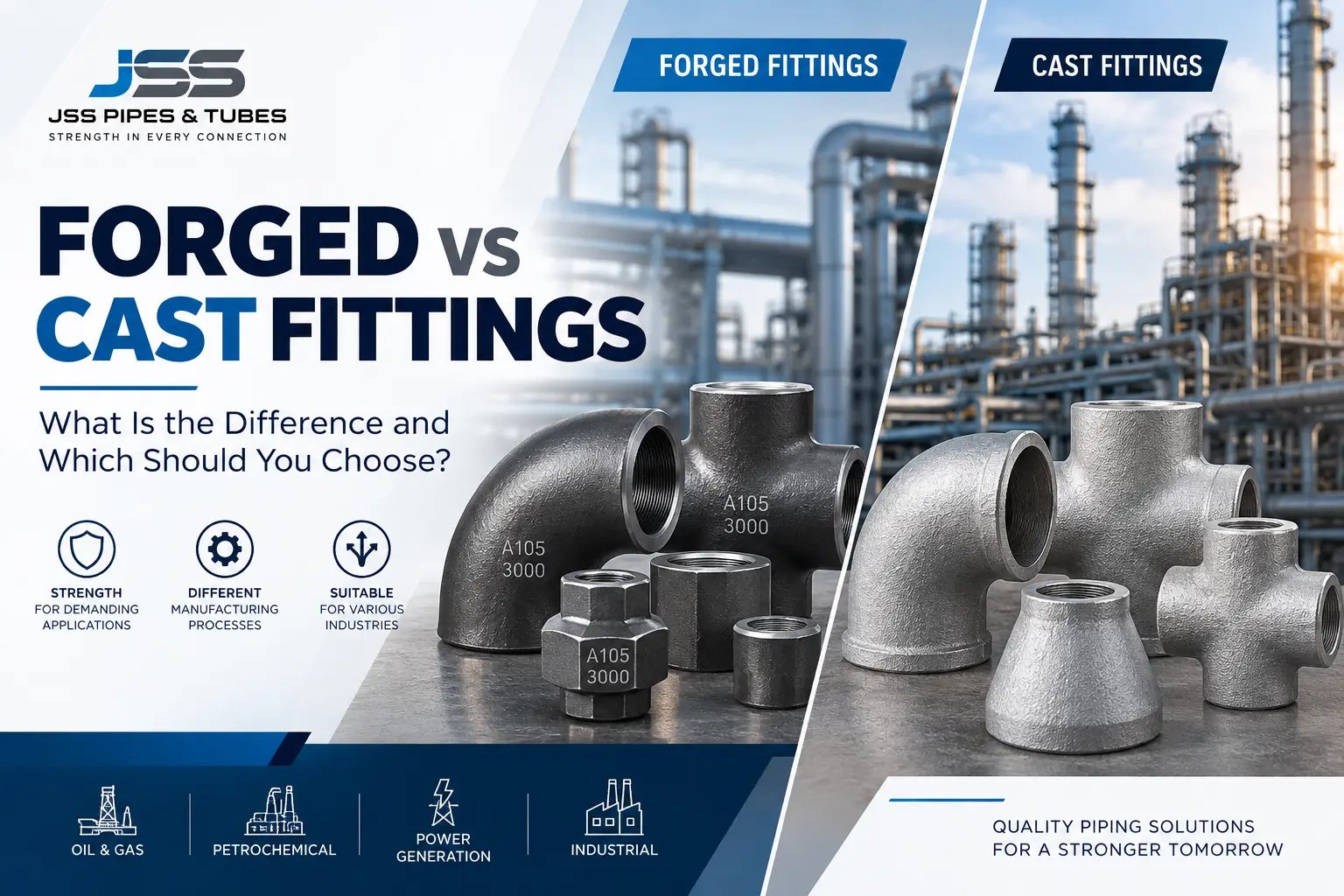
- Forged fittings
- Flanges
- Valves
- Gaskets and related components
- Other piping accessories
For an EPC project, procurement is not simply about finding a supplier and purchasing materials. The procurement team must ensure that the supplied products match the approved technical specifications, material grades, dimensions, standards, inspection requirements, and project documentation.
Why Piping Procurement Is Critical for EPC Projects
EPC projects typically operate according to defined engineering, procurement, and construction schedules. Materials must therefore be available when they are required for fabrication and site installation.
Poor procurement planning can result in:
- Material shortages
- Incorrect material grades
- Specification mismatches
- Documentation gaps
- Inspection delays
- Extended lead times
- Fabrication interruptions
- Project schedule delays
- Additional transportation costs
- Material rejection or replacement
A structured procurement process helps EPC contractors maintain better control over quality, compliance, cost, traceability, and delivery schedules.
The objective is not simply to purchase piping materials at the lowest quoted price. The procurement process should ensure that the materials meet project requirements and arrive at the required location within the planned schedule.
What Piping Materials Are Commonly Procured for EPC Projects?
The exact material list depends on the project, process conditions, engineering specifications, and piping class.
Commonly procured materials include:
1. Pipes
Industrial projects may require:
- Seamless pipes
- Welded pipes
- Carbon steel pipes
- Stainless steel pipes
- Alloy steel pipes
- Duplex stainless steel pipes
Pipe selection and procurement should be based on the approved material specification, size, wall thickness, grade, manufacturing requirements, and applicable standards.
2. Pipe Fittings
Procurement packages may include:
- Elbows
- Tees
- Reducers
- Caps
- Couplings
- Crosses
- Stub ends
- Weldolets
- Sockolets
- Threadolets
The required fitting type, dimensions, material grade, pressure class, and manufacturing standard should be clearly defined before ordering.
3. Flanges
Common flange requirements include:
- Weld neck flanges
- Slip-on flanges
- Blind flanges
- Socket weld flanges
- Threaded flanges
- Lap joint flanges
Flange procurement should consider the required pressure class, size, facing, material grade, dimensions, and applicable standard.
Piping Material Procurement Process for EPC Projects
A typical piping material procurement process involves several stages. The exact workflow varies between projects, but the following sequence provides a practical framework.
Step 1: Review Project Specifications
The procurement process should begin with a detailed review of the project’s approved technical documents.
These may include:
- Piping material specifications
- Piping classes
- Material requisitions
- Engineering drawings
- P&IDs
- Isometric drawings
- Bills of materials
- Material take-offs
- Project standards
- Client specifications
- Inspection and test plans
- Approved vendor requirements
The procurement team should understand exactly what materials are required before approaching suppliers.
A quotation based on incomplete information can create problems later during technical evaluation or material inspection.
Step 2: Prepare the Material Take-Off
A Material Take-Off (MTO) identifies the quantities and specifications of materials required for the project.
Depending on the project, an MTO may include:
Material | Size | Grade | Specification | Quantity |
Pipe | 4″ | Carbon Steel | Project Spec | As Required |
Elbow | 4″ | Carbon Steel | ASME Standard | As Required |
Tee | 6″ × 4″ | Carbon Steel | ASME Standard | As Required |
Flange | 4″ | Carbon Steel | ASME B16.5 | As Required |
The MTO should be checked carefully before issuing RFQs because incorrect quantities or specifications can affect supplier quotations and procurement planning.
Step 3: Define Pipe, Fitting and Flange Standards
Every procurement package should clearly identify the applicable technical standards.
Depending on the project, specifications may reference standards such as:
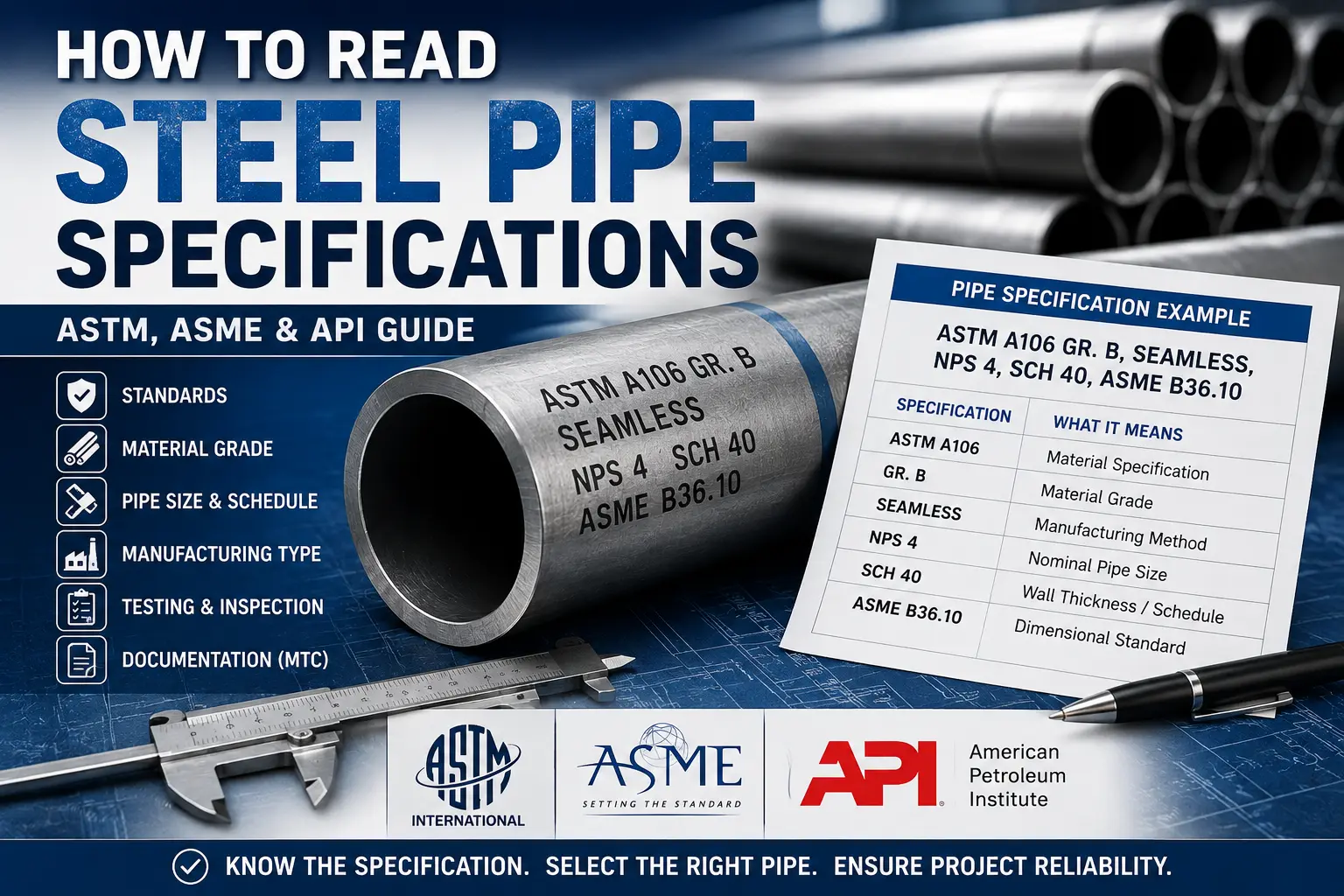
- ASME
- ASTM
- API
- MSS
- ISO
- EN
- Project-specific specifications
For example, flange requirements may reference ASME B16.5, while butt-welding fittings may be specified according to applicable ASME standards.
The procurement team should avoid relying only on generic descriptions such as “carbon steel pipe” or “industrial flange.” The purchase requirement should contain enough technical information for the supplier to provide the correct product.
Step 4: Identify and Evaluate Suppliers
Supplier selection is one of the most important stages of piping material procurement for EPC projects.
EPC procurement teams should evaluate suppliers based on factors such as:
- Product range
- Relevant industrial experience
- Manufacturer relationships
- Material availability
- Technical capability
- Quality systems
- Documentation capability
- Inspection support
- Traceability
- Lead time
- Delivery capability
- Previous project experience
- Commercial terms
A supplier may offer an attractive price but still create procurement problems if the required material is unavailable or documentation cannot meet project requirements.
For Middle East projects, local availability can also be important because shorter supply routes may help simplify logistics and reduce delivery time.
Step 5: Issue RFQs to Suitable Suppliers
Once the material requirements are finalized, the EPC procurement team can issue a Request for Quotation (RFQ).
A detailed RFQ should normally include:
- Material description
- Pipe and fitting sizes
- Material grades
- Quantities
- Applicable standards
- Required documentation
- Inspection requirements
- Delivery location
- Required delivery date
- Packaging requirements
- Commercial terms
- Payment terms
- Any client-specific requirements
A clear RFQ makes it easier to compare quotations on a like-for-like basis.
Step 6: Compare Technical and Commercial Quotations
Supplier quotations should be evaluated from both technical and commercial perspectives.
The lowest price should not automatically be treated as the final procurement decision because quotations may differ in:
- Material grade
- Product specification
- Testing requirements
- Certification
- Inspection scope
- Delivery time
- Incoterms
- Packaging
- Documentation
- Payment conditions
A technical comparison can first determine whether the supplier’s offer complies with the project requirements. Commercial evaluation can then compare pricing and contractual terms among technically acceptable offers.
Step 7: Verify Quality and Documentation Requirements
Documentation is a major part of industrial piping procurement.
Depending on the project, the required documentation may include:
- Material Test Certificates (MTCs)
- Certificates of conformity
- Inspection reports
- Test reports
- Dimensional inspection records
- Heat treatment records where applicable
- PMI reports where required
- Hydrostatic test reports where applicable
- Packing lists
- Certificates of origin
- Manufacturer documentation
The exact documentation package should always be based on the project specification and purchase order requirements.
Step 8: Verify Material Test Certificates and Traceability
A Material Test Certificate (MTC) provides information about the material and relevant test results.
Procurement teams should check whether the supplied documentation corresponds with the ordered material.
Depending on project requirements, verification may include:
- Material grade
- Heat number
- Chemical composition
- Mechanical properties
- Dimensions
- Applicable standard
- Manufacturer information
- Test results
- Product identification
Traceability is particularly important for projects where every item or batch must be connected to its corresponding manufacturing and inspection records.
The physical marking on the material should also be checked against the applicable documentation wherever traceability is required.
Step 9: Inspection and Quality Control
Some EPC projects require supplier inspection before shipment.
Inspection requirements may be defined by:
- Client specifications
- Purchase order
- Inspection and Test Plan (ITP)
- Third-party inspection requirements
- Project quality procedures
Depending on the scope, inspection may cover:
- Visual inspection
- Dimensional inspection
- Material verification
- Marking and identification
- Documentation review
- Testing
- Packaging inspection
The inspection scope should be agreed before procurement rather than after the materials have already been prepared for shipment.
Step 10: Logistics and Delivery in the Middle East
After materials pass the required inspection and documentation checks, logistics becomes the next important stage.
For EPC projects in the Middle East, procurement teams may need to coordinate:
- Warehouse availability
- Packing
- Loading
- Transportation
- Port handling
- Customs documentation
- Import requirements
- Delivery schedules
- Site access requirements
The delivery method depends on the material quantity, destination, urgency, project schedule, and commercial terms.
Large quantities of pipes and fittings may require careful planning because of their dimensions, weight, packaging requirements, and handling needs.
Common Piping Procurement Challenges in the Middle East
Piping procurement for major industrial projects can involve several challenges.
Material Availability
Special grades, unusual dimensions, or large quantities may not always be immediately available from local stock.
Long Lead Times
Some materials may require manufacturing before shipment, increasing procurement lead time.
Specification Mismatches
A supplier quotation may not fully match the project’s technical requirements. These differences should be identified during technical evaluation.
Documentation Delays
Missing or incomplete certificates can delay material approval even when the physical materials are available.
Inspection Scheduling
Third-party or client inspections may require advance coordination with the supplier and inspection agency.
Logistics Constraints
Transportation, customs procedures, port handling, and site delivery requirements can affect the final delivery schedule.
Price Fluctuations
Material costs and transportation expenses can change during the procurement cycle, particularly for projects with long purchasing timelines.
Piping Material Procurement Checklist for EPC Projects
Before placing a purchase order, procurement teams can use the following checklist:
Technical Requirements
- Material grade confirmed
- Pipe size confirmed
- Wall thickness or schedule confirmed
- Fitting dimensions confirmed
- Flange class and facing confirmed
- Applicable standards identified
- Project specifications reviewed
Supplier Evaluation
- Supplier capabilities reviewed
- Material availability confirmed
- Lead time confirmed
- Quality requirements understood
- Documentation capability verified
- Previous relevant experience reviewed
Quality & Inspection
- MTC requirements confirmed
- Inspection requirements confirmed
- Testing requirements confirmed
- Traceability requirements confirmed
- ITP requirements reviewed
Commercial & Logistics
- Quotation technically evaluated
- Commercial terms reviewed
- Delivery date confirmed
- Packaging requirements confirmed
- Delivery location confirmed
- Required shipping/customs documents identified
This checklist can help reduce avoidable procurement errors before the purchase order is released.
How to Choose a Piping Materials Supplier in the UAE
For EPC contractors sourcing materials in the UAE, supplier evaluation should consider more than product availability and price.
A suitable piping materials supplier in the UAE should be able to understand project specifications, provide the required piping products, support documentation requirements, coordinate inspections where applicable, and meet agreed delivery schedules.
Before finalizing a supplier, procurement teams can ask:
- Does the supplier stock the required materials?
- Can the supplier provide the specified material grades?
- Are the required pipes, fittings and flanges available in the required sizes?
- Can the supplier provide the required certificates and documentation?
- Can material traceability be maintained?
- What is the expected delivery lead time?
- Can the supplier support project-specific inspection requirements?
- Can the supplier handle bulk or project-based requirements?
- Are commercial and delivery terms clearly defined?
For EPC projects, establishing these requirements early can help reduce procurement uncertainty and improve coordination between engineering, procurement, quality, suppliers, and site teams.
How EPC Companies Can Reduce Piping Procurement Delays
Procurement delays are often easier to prevent when the process is planned early.
EPC teams can improve procurement coordination by:
Finalizing Specifications Early
Avoid issuing purchase orders before the required technical information is approved.
Separating Critical and Standard Materials
Long-lead or project-critical materials should be identified early so procurement teams can prioritize them.
Maintaining Approved Supplier Information
Keeping supplier capabilities and product ranges documented can make future RFQ processes more efficient.
Reviewing Documentation Before Shipment
Checking certificates and inspection documents before dispatch can help prevent approval delays at the receiving stage.
Coordinating Engineering and Procurement
Engineering changes can affect quantities, grades, dimensions, and specifications. Procurement teams should therefore maintain communication with engineering throughout the purchasing process.
Planning Logistics in Advance
Delivery dates should account for manufacturing, inspection, packing, transportation, customs, and site requirements where applicable.
Piping Material Procurement: Cost vs Quality vs Delivery
Successful procurement requires balancing three important considerations:
Technical compliance + Quality assurance + Delivery schedule
A low-cost quotation may not provide the required project specification or delivery timeline. Similarly, a technically compliant offer may not be suitable if its lead time exceeds the project’s construction schedule.
EPC procurement teams should therefore evaluate the total procurement requirement rather than comparing unit prices alone.
A practical evaluation can consider:
Procurement Factor | What to Check |
Technical Compliance | Grade, size, schedule and standards |
Quality | Testing, inspection and certification |
Traceability | Heat numbers and material identification |
Documentation | MTCs and required project records |
Availability | Stock or manufacturing requirement |
Lead Time | Production and delivery schedule |
Logistics | Transportation and delivery requirements |
Commercial Terms | Price, payment and contractual conditions |
This approach provides a more complete basis for supplier evaluation.
Conclusion
Piping material procurement in the Middle East requires careful coordination between engineering, procurement, quality, suppliers, inspection agencies, logistics providers, and project teams.
For EPC projects, the procurement process should begin with clearly defined technical requirements and continue through material take-off, supplier evaluation, RFQ, technical and commercial comparison, quality verification, inspection, documentation, logistics, and final delivery.
The key is to ensure that every pipe, fitting, flange, and related component is correctly specified, properly documented, traceable, inspected where required, and delivered according to the project schedule.
Working with an experienced piping materials supplier can help EPC contractors manage project-specific requirements and coordinate the supply of industrial piping materials for oil and gas, petrochemical, power, marine, and other applications.
Frequently Asked Questions
Q1. What is piping material procurement?
Ans – Piping material procurement is the process of sourcing, purchasing, inspecting, documenting, and delivering pipes, fittings, flanges, and other piping components according to project requirements.
Q2. How does piping material procurement work for EPC projects?
Ans – It generally involves reviewing project specifications, preparing the MTO, defining standards, evaluating suppliers, issuing RFQs, comparing quotations, placing purchase orders, completing inspections and documentation, and coordinating final delivery.
Q3. What documents are required when procuring piping materials?
Ans – Requirements vary by project but can include Material Test Certificates, certificates of conformity, inspection reports, test reports, packing lists, certificates of origin, and other project-specific documentation.
Q4. What should EPC contractors check before purchasing pipes?
Ans – EPC contractors should verify the material grade, size, wall thickness, applicable standards, quantities, project specifications, inspection requirements, documentation, availability, lead time, and delivery requirements.
Q5. How do you select a piping material supplier?
Ans – Supplier selection can consider technical capability, material availability, product range, quality systems, documentation, traceability, inspection support, lead time, delivery capability, and commercial terms.
Q6. What is an MTO in piping procurement?
Ans – MTO stands for Material Take-Off. It is a project document that identifies the required materials, specifications, sizes, quantities, and other information needed for procurement.
Q7. What is an MTC for piping materials?
Ans – MTC stands for Material Test Certificate. It provides information about the supplied material and relevant test results, such as chemical composition and mechanical properties, depending on the applicable standard and project requirements.
Q8. Why are ASME and ASTM standards important in piping procurement?
Ans – ASME and ASTM standards define requirements related to piping components, materials, dimensions, testing, manufacturing, and other technical characteristics. The specific standards applicable to a project should be confirmed from its engineering specifications.
Q9. How do you verify piping material quality?
Ans – Quality verification may involve checking product markings, dimensions, material identification, MTCs, inspection records, test results, traceability, and other requirements defined by the project.
Q10. What are the common piping procurement challenges in the Middle East?
Ans – Common challenges can include material availability, long lead times, specification mismatches, documentation delays, inspection scheduling, logistics coordination, customs requirements, and changing project schedules.
Q11. How long does piping material procurement take?
Ans – Procurement lead time varies according to material type, grade, quantity, availability, manufacturing requirements, inspection scope, supplier location, transportation, and project delivery requirements.
Q12. How can EPC companies reduce piping procurement delays?
Ans – EPC companies can reduce delays by finalizing specifications early, identifying critical materials, evaluating suppliers carefully, confirming lead times, reviewing documentation before shipment, coordinating inspections, and planning logistics in advance.