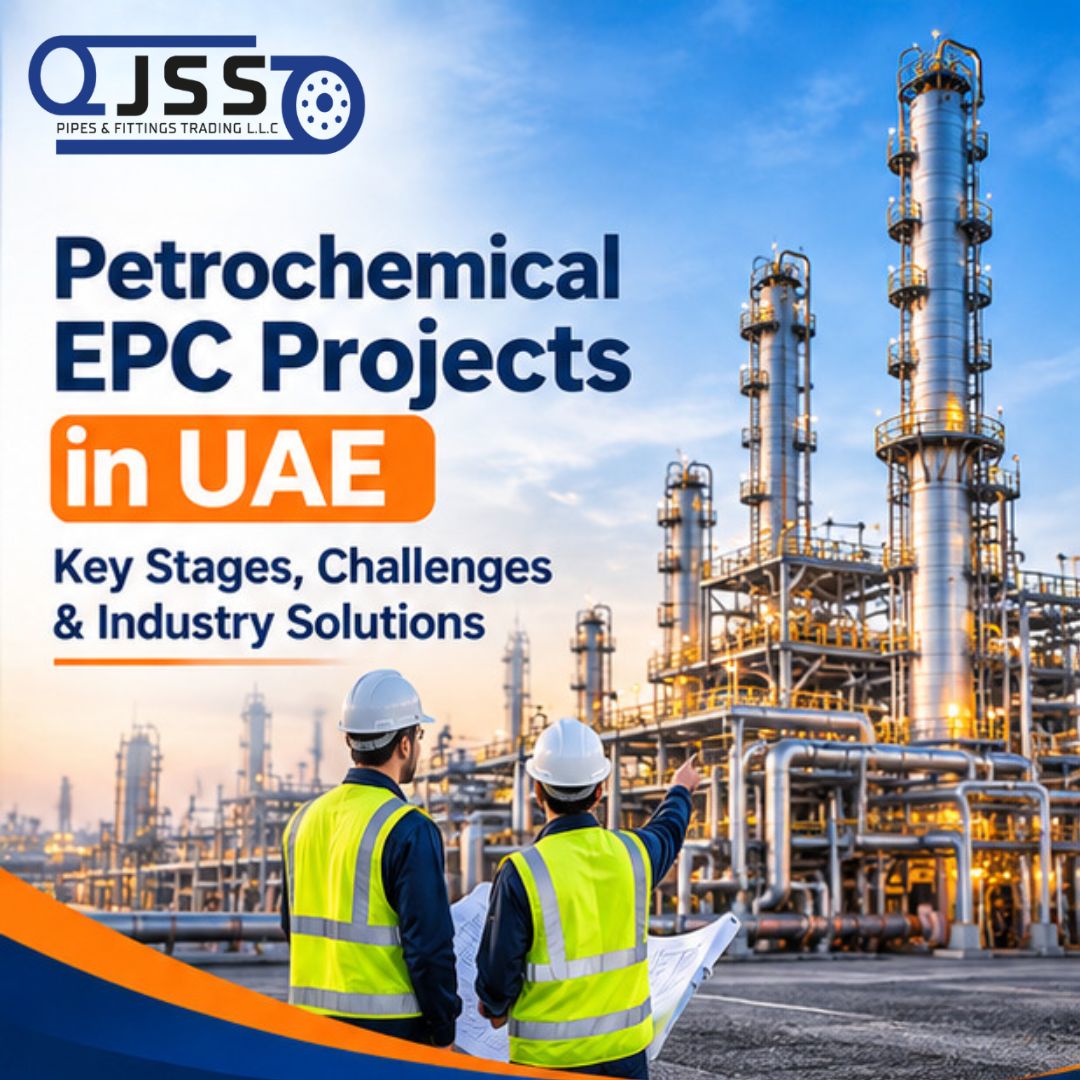
The UAE continues to invest in energy infrastructure, refining capacity, petrochemicals and industrial development. These projects depend on coordinated engineering, procurement and construction activities to deliver facilities that meet technical, safety, quality and schedule requirements. Petrochemical projects EPC teams must manage complex engineering packages, long-lead equipment, piping materials, specialist contractors and strict inspection procedures. For contractors and procurement teams, piping materials are a critical part of this process. Pipes, fittings, flanges, valves and related components must match approved specifications and operating conditions. Working with an experienced industrial piping supplier in the UAE can help project teams coordinate material requirements and reduce procurement uncertainty.
What Is an EPC Project?
EPC stands for Engineering, Procurement and Construction. Under this project delivery model, an EPC contractor is generally responsible for coordinating the design, sourcing the required equipment and materials, managing construction, and supporting testing and handover. The exact scope depends on the contract and project structure. In petrochemical facilities, EPC work may cover process units, storage systems, utility networks, pipe racks, transfer lines and connections to existing plant infrastructure. Each package must be aligned with engineering documents, applicable codes, client specifications and the overall project schedule.
Key Stages of Petrochemical EPC Projects
1. Engineering and Design
Engineering establishes the technical basis for the facility. Teams develop process flow diagrams, piping and instrumentation diagrams, plot plans, equipment layouts, piping isometrics, line lists and material specifications. They also identify design conditions such as pressure, temperature, fluid characteristics, corrosion allowances and relevant codes. Early coordination is important because changes to pipe routing, material grades or equipment interfaces can affect procurement and construction. Procurement teams should work from the latest approved revisions and maintain clear document control.
2. Procurement and Material Sourcing
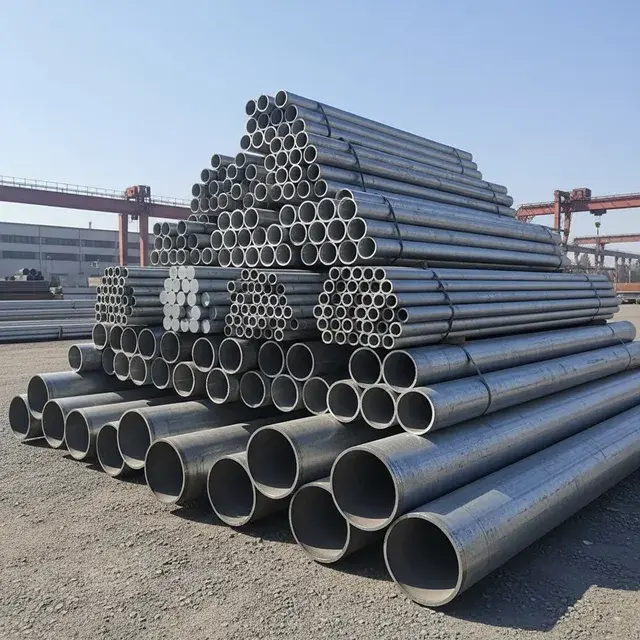
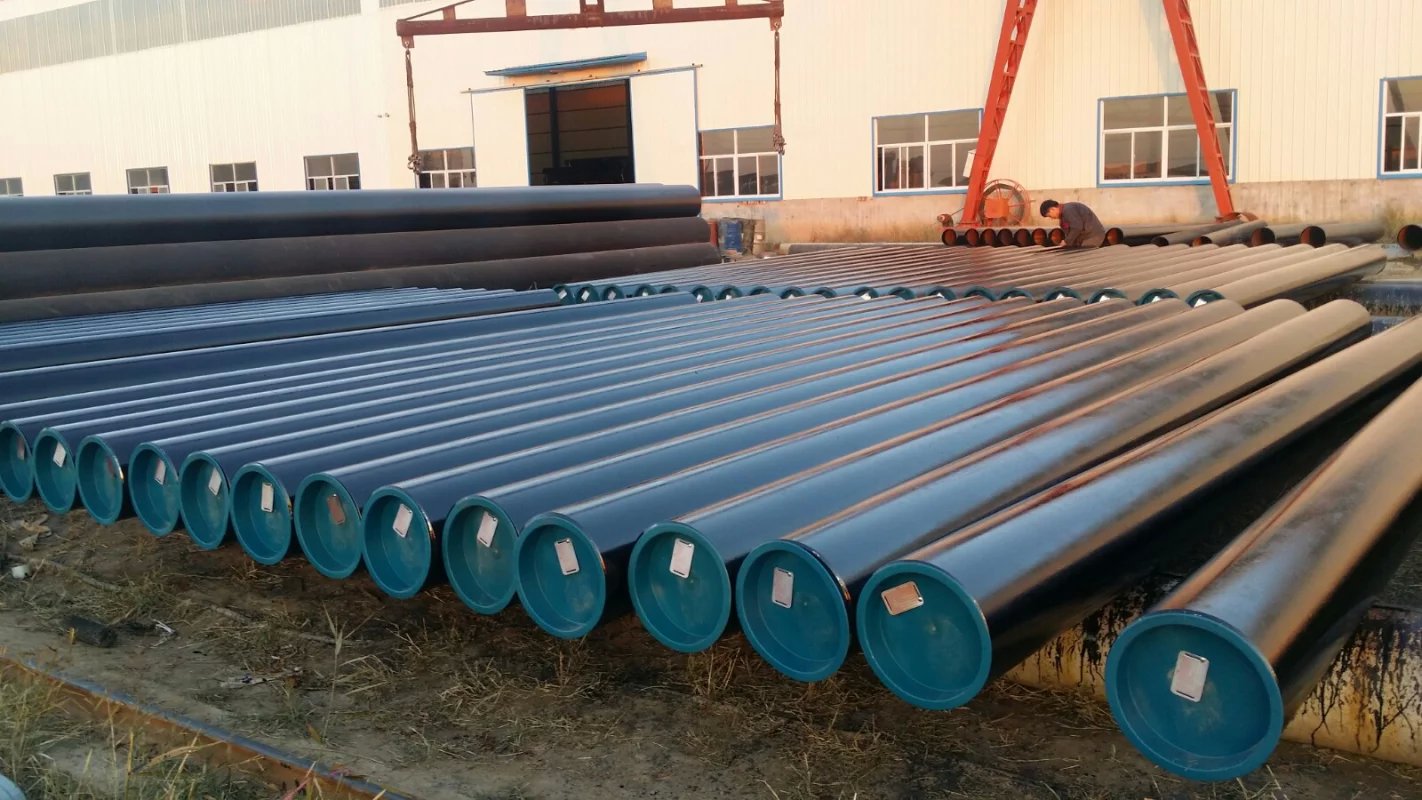
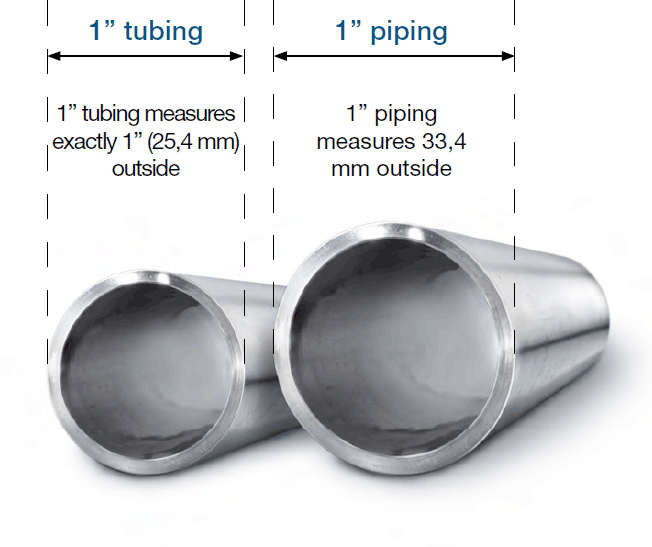
Procurement converts engineering requirements into purchase orders and delivery plans. For piping packages, this can include seamless and welded steel pipes, buttweld fittings, forged fittings, flanges, valves, gaskets and bolting. Buyers must check the material grade, size, schedule or wall thickness, pressure rating, end connection, standard, quantity and required documentation. A purchase description should be precise. For example, a flange requirement should identify the applicable standard, pressure class, facing, material specification, size and any project-specific inspection or certification requirements. Similar checks apply to pipes and fittings. JSS Pipes supports industrial piping requirements across the UAE and Middle East. Project teams can review the company’s [industrial piping products](https://jsspipes.com/our-business/products/) and [forged fittings and flanges](https://jsspipes.com/forged-fittings-and-flanges/) when preparing procurement packages.
3. Manufacturing, Inspection and Quality Control
After purchase orders are placed, materials may be manufactured, processed, inspected and prepared for dispatch. Quality activities depend on the product and project specification, and may include material verification, dimensional checks, visual inspection, non-destructive examination, pressure testing where applicable, marking and document review. Traceability is particularly important in hydrocarbon and petrochemical projects. Procurement teams should confirm the required inspection and test plan, material test certificates, applicable manufacturing standards and any third-party inspection requirements before order placement.
How to Improve Piping Procurement for EPC Projects
A structured procurement process begins with a complete material requisition. Include the applicable standard, material grade, size, schedule or thickness, pressure class, connection type, quantity, delivery location and required documentation. Attach approved datasheets, drawings or material specifications where available. Next, evaluate suppliers on more than price. Consider product range, technical understanding, quality systems, documentation capability, sourcing network, communication and ability to coordinate delivery requirements. Confirm deviations in writing and obtain technical approval before accepting substitutions.
The Role of a Reliable Piping Materials Supplier
A dependable supplier helps connect project specifications with suitable piping products. This includes understanding the required product category, identifying applicable standards, confirming available material options and providing the documentation requested by the project. Clear communication at the enquiry stage can reduce clarification cycles and help avoid incorrect or incomplete orders. JSS Pipes supplies steel pipes, fittings and flanges for oil and gas, petrochemical, EPC and industrial applications across the UAE and the wider Middle East. The final product selection should always be confirmed against approved project documents and operating requirements.
Frequently Asked Questions
1. What does EPC mean in petrochemical projects?
EPC means Engineering, Procurement and Construction. It is a project delivery model in which the contractor coordinates design, material and equipment procurement, construction and related delivery activities according to the contract.
2. What piping materials are commonly required for petrochemical EPC projects?
Common requirements include seamless and welded steel pipes, stainless steel pipes, buttweld fittings, forged fittings, flanges, valves, gaskets and bolting. The exact materials depend on the process, design conditions and project specifications.
3. Why is material traceability important?
Traceability connects supplied materials to their manufacturing and inspection records. It helps project teams verify material identity, review certificates and maintain quality documentation through installation and handover.
4. What should an EPC contractor include in a piping material enquiry?
Include product type, applicable standard, material grade, size, schedule or wall thickness, pressure class where relevant, quantity, delivery location and required certificates or inspection documents.
5. How can procurement delays be reduced?
Start procurement planning early, identify long-lead items, issue complete material requisitions, confirm approved vendors and drawings, track manufacturing and inspection milestones, and coordinate logistics with the construction schedule.
Conclusion
Petrochemical projects EPC delivery requires close coordination between engineering, procurement, construction and commissioning teams. Piping materials are central to plant integrity and project execution, making accurate specifications, supplier evaluation, inspection planning and traceability essential. By preparing complete enquiries and working with capable piping material suppliers, EPC teams can improve procurement coordination and support reliable project delivery across the UAE.