The demand for high-quality steel pipes continues to grow across the UAE due to ongoing developments in oil and gas, construction, infrastructure, petrochemical, marine and industrial sectors. From large-scale pipeline installations to industrial manufacturing facilities, steel pipes play an essential role in transporting fluids, gases and other materials safely and efficiently. However, selecting the right supplier is just as important as selecting the right pipe. Poor-quality materials, incorrect specifications, missing documentation and unreliable delivery schedules can create serious challenges for industrial projects.
Whether you are a procurement manager, EPC contractor, project engineer or industrial buyer, finding a dependable pipe supplier in UAE requires careful evaluation of product quality, technical specifications, certifications and supply capabilities. This guide explains the important factors to consider when choosing a steel pipe supplier in Dubai and across the UAE.
1. Understand Your Project’s Pipe Requirements
Before approaching a steel pipe supplier, it is important to understand the technical requirements of your project. Different industries require different pipe specifications depending on operating pressure, temperature, environmental conditions and application.
Some important factors include:
- Pipe material: Carbon steel, stainless steel or alloy steel.
- Manufacturing process: Seamless, ERW, EFW or SAW, as specified.
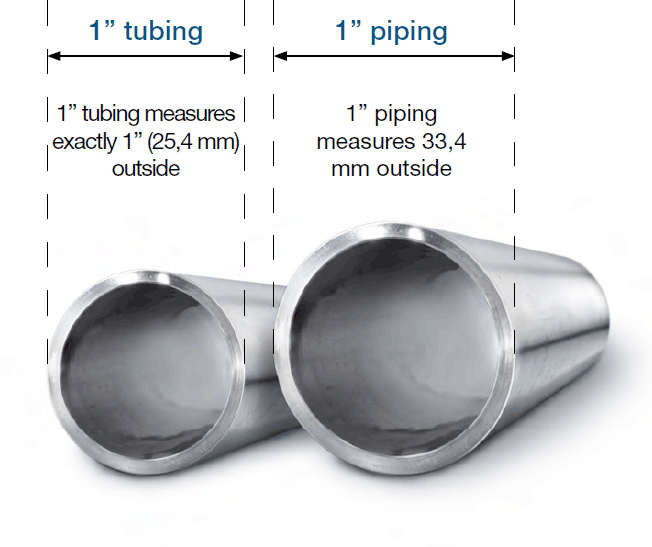
- Pipe diameter: Required nominal pipe size and outside diameter.
- Wall thickness: Schedule 10, Schedule 40, Schedule 80 or other specified thickness.
- Material grade: Such as ASTM A106 Grade B, API 5L Grade B or ASTM A312 grades.
- Applicable standards: ASTM, ASME, API, EN or project-specific specifications.
For example, carbon steel pipes are widely used in industrial and oil and gas applications, while stainless steel pipes are selected where corrosion resistance and material compatibility are important. Clearly defining these requirements helps suppliers recommend suitable materials and reduces the possibility of ordering incorrect products.
2. Check Product Quality and International Standards
Product quality is one of the most important considerations when selecting a steel pipe supplier UAE companies can depend on. Industrial pipes must comply with the applicable technical standards specified in project documents and engineering requirements.
Commonly referenced standards include:
ASTM Standards: ASTM specifications cover different material grades, manufacturing requirements and testing procedures.
Examples include:
- ASTM A106 Grade B – Seamless carbon steel pipes for high-temperature service.
- ASTM A53 – Carbon steel pipes for general mechanical and pressure applications.
- ASTM A312 – Seamless, welded and heavily cold-worked austenitic stainless steel pipes.
- ASTM A333 Grade 6 – Seamless and welded steel pipes for low-temperature service.
API Standards: API 5L is widely referenced for steel line pipes used in pipeline transportation systems.
ASME Standards: ASME standards cover piping dimensions, components, pressure ratings and other engineering requirements.
A professional supplier should understand these specifications and provide products according to the project’s approved material requirements.
3. Verify Material Test Certificates and Documentation
Documentation is essential when purchasing steel pipes for industrial and engineering projects. Before confirming an order, check whether the supplier can provide the required material documentation.
Important documents may include:
- Mill Test Certificates (MTC).
- Chemical composition reports.
- Mechanical test reports.
- Hydrostatic testing records, where applicable.
- Inspection and quality reports.
- Heat number and material traceability records.
- Certificate of conformity, where required.
Mill Test Certificates help buyers verify the chemical and mechanical properties of supplied materials against the applicable specification. Material traceability is particularly important for oil and gas, petrochemical and other critical industrial applications.
4. Evaluate the Supplier’s Product Range
Working with a supplier that offers a wide range of piping materials can simplify procurement and reduce coordination between multiple vendors.
Depending on project requirements, buyers may need:
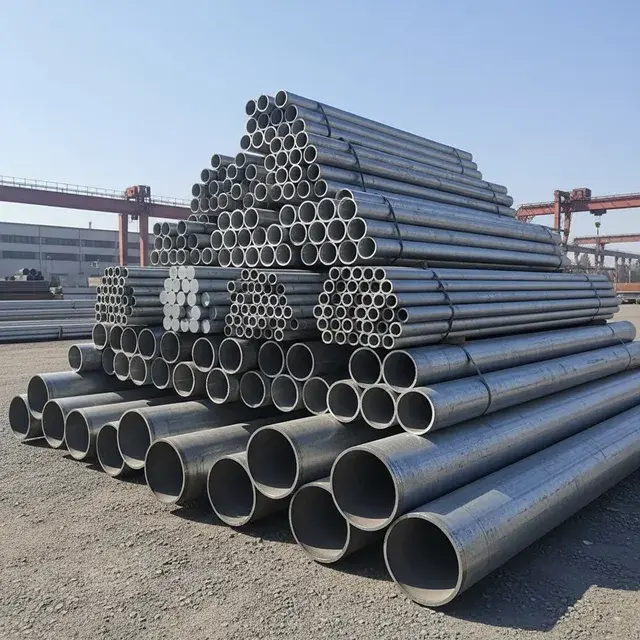
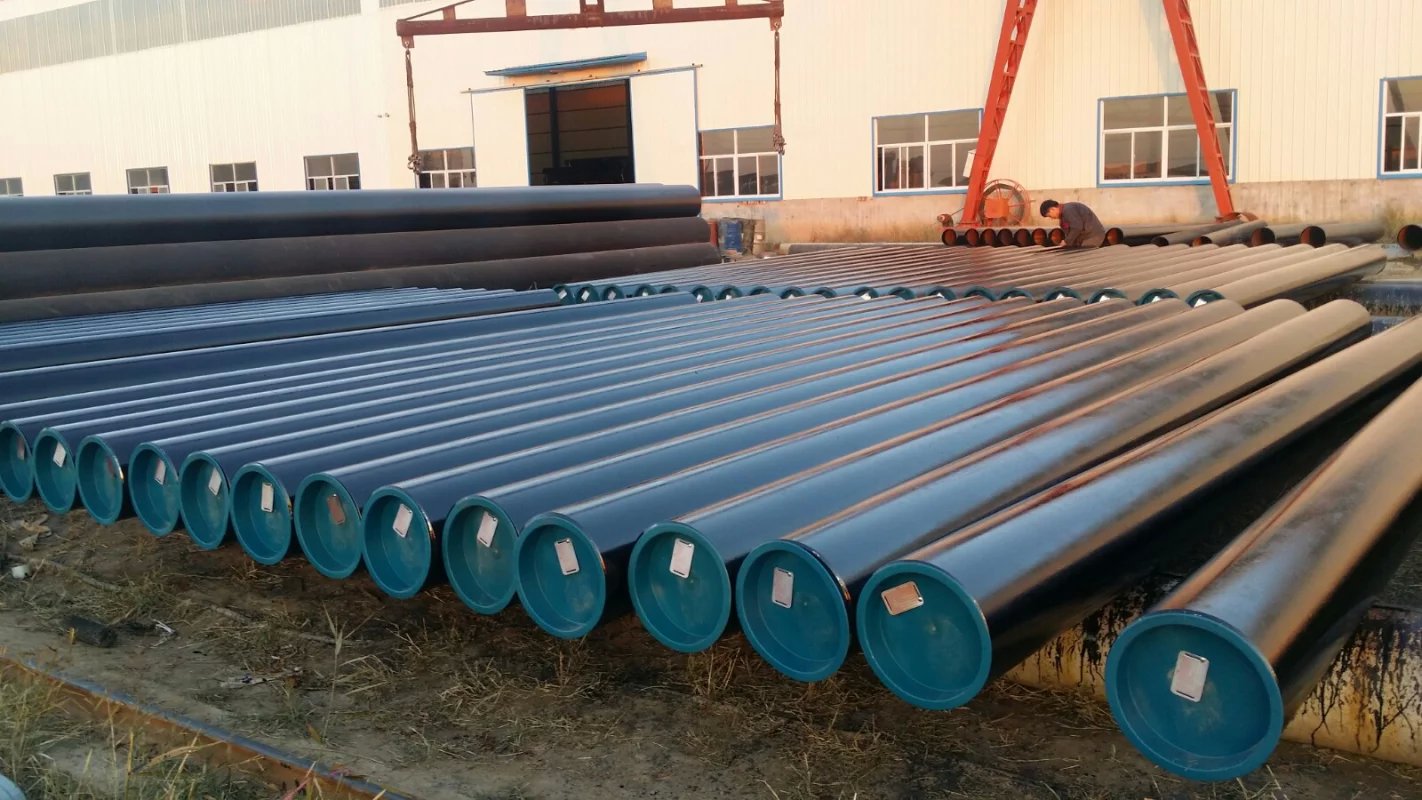
- Seamless steel pipes.
- Welded steel pipes.
- Carbon steel pipes.
- Stainless steel pipes.
- Alloy steel pipes.
- Pipe fittings.
- Forged fittings.
- Industrial flanges.
- Buttweld fittings.
A supplier with a comprehensive product portfolio can make it easier to coordinate material requirements and sourcing for different project stages.
5. Check Industry Experience and Technical Knowledge
Experience in the steel and piping industry helps suppliers understand the requirements of different industrial applications.
An experienced steel pipe supplier UAE buyers work with should be familiar with:
- Oil and gas piping requirements.
- Petrochemical plant applications.
- Industrial pipeline systems.
- Construction and infrastructure projects.
- Material specifications and grades.
- International manufacturing standards.
- Inspection and documentation requirements.
Technical understanding is important because different materials and specifications cannot always be substituted for one another. A knowledgeable supplier can help identify specification mismatches before materials are ordered.
6. Consider Stock Availability and Delivery Capabilities
Project schedules depend heavily on the timely availability of materials. Delays in steel pipe procurement can affect installation schedules, construction activities and overall project completion.
Before selecting a supplier, consider:
- Availability of required pipe sizes and grades.
- Stock availability in Dubai or other UAE locations.
- Import sourcing capabilities.
- Order processing time.
- Transportation and delivery arrangements.
- Ability to handle bulk and project-based requirements.
For urgent requirements, confirming actual stock availability is particularly important.
Conclusion
Finding a reliable pipe supplier in UAE requires evaluating product quality, material certifications, technical knowledge, stock availability and delivery capabilities. For oil and gas, petrochemical, construction and industrial projects, selecting pipes according to approved specifications is essential for maintaining quality and operational reliability. JSS Pipes aims to support industrial piping requirements by providing piping products and material solutions for different industry applications. Buyers should share their required specifications, grades, sizes and quantities to identify suitable products for their projects. For steel pipe, fitting and flange requirements in Dubai and across the UAE, connect with JSS Pipes to discuss your material requirements.
Frequently Asked Questions
1. How do I find a reliable pipe supplier in UAE?
Look for a supplier with relevant industry experience, a suitable product range, technical knowledge, material documentation and the ability to meet your delivery requirements.
2. Which steel pipe standards are commonly used in the UAE?
Commonly referenced standards include ASTM, API, ASME and EN. The correct standard depends on the application and project specifications.
3. What is the difference between seamless and welded steel pipes?
Seamless pipes are manufactured without a longitudinal weld seam, while welded pipes are manufactured by joining steel material through a specified welding process. Their suitability depends on design conditions and project requirements.