The Role of High-Quality Pipes in the Oil and Gas Industry
The oil and gas industry keeps the globe running, providing the energy we rely on daily. At the core of this massive operation are pipes—simple yet essential components that make everything possible, from drilling deep underground to transporting oil and gas across continents. But not all pipes are built the same, and in such a demanding industry, quality isn’t just important—it’s critical. High-quality pipes keep operations safe, efficient, and reliable, while poor-quality ones can lead to costly, even dangerous, problems. In this blog, we’ll break down why quality matters and explore the types of pipes used, their key roles, and the risks of cutting corners. Plus, we’ll look at how to ensure you’re using the best pipes and what’s next for pipe technology in this ever-evolving industry.
Importance of High-Quality Pipes in the Oil and Gas Sector
The oil and gas industry exposes pipes to some of the harshest operating conditions imaginable. From handling intense pressure deep underground to resisting corrosion caused by harsh chemicals in offshore environments, they must perform without fail. High-quality pipes are built to handle these demands, helping prevent leaks, breakdowns, and costly disruptions. Beyond safety, they’re essential for staying compliant with strict industry regulations. A single pipe failure can cause environmental damage, financial setbacks, and even harm a company’s reputation. That’s why investing in quality materials isn’t just a smart decision—it’s a necessity.
Working with trusted pipe flange suppliers is just as important. Reliable suppliers ensure that components like flanges and fittings are certified and fit perfectly into the system, reducing the risk of delays and unexpected issues. These parts are key in keeping pipelines secure and functioning, especially under high pressure. When everything works together seamlessly, it keeps operations running smoothly, from drilling and extraction all the way to distribution. In such a demanding industry, choosing high-quality pipes and components isn’t just about avoiding problems—it’s about keeping the entire system strong and reliable.
Types of Pipes Used in the Industry
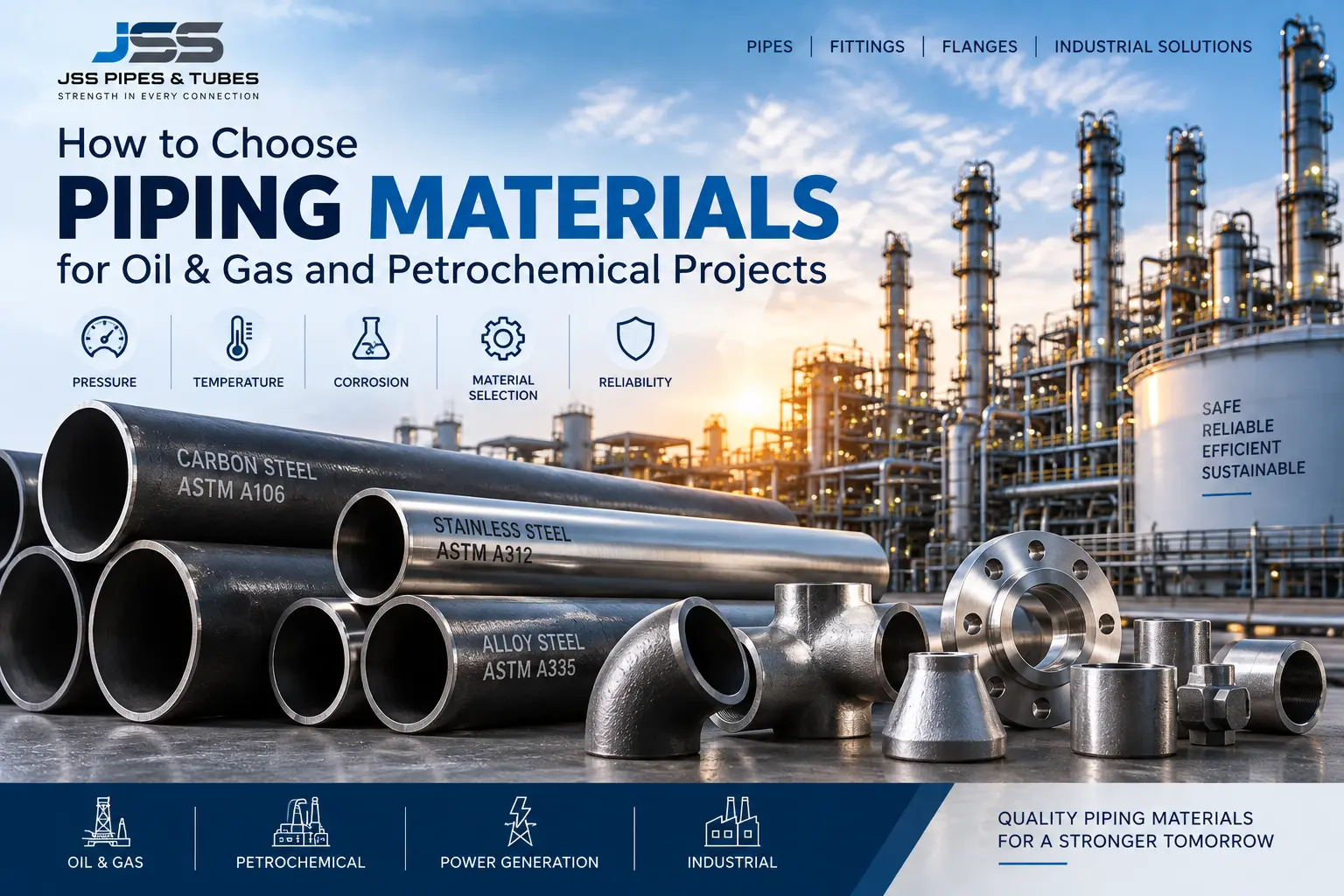
The oil and gas industry depends on various pipes, each designed for specific purposes and challenging environments. Here’s a closer look at the most commonly used types and why they matter:
- Carbon Steel Pipes: These are widely used because they’re strong, durable, and cost-effective. They can handle high pressure and temperature, making them essential for many onshore and offshore operations.
- Stainless Steel Pipes: When corrosion is a major concern—like in offshore environments or with exposure to harsh chemicals—stainless steel pipes are the top choice. Their superior rust resistance ensures long-lasting performance in tough conditions.
- Alloy Pipes: These pipes are built for durability, combining different metals to create materials that can handle heavy loads and extreme environments. They’re perfect for high-demand applications where strength is critical.
Key Applications of Pipes in Oil and Gas
Pipes play an essential role at every stage of the oil and gas industry, serving several purposes depending on the operation. Here’s how they’re used throughout the process:
- Upstream: Pipes are critical for drilling and casing, as well as for transporting crude oil or natural gas from deep reservoirs to the surface.
- Midstream: They’re used to move oil and gas across long distances, often under high-pressure conditions, ensuring efficient and reliable transportation.
- Downstream: Pipes are involved in refining, processing, and distributing oil and gas products to customers, helping to deliver the final product efficiently.
- System Connectivity: Components like flanges and fittings from reliable pipe flange suppliers are essential for connecting systems smoothly. These parts help maintain consistent flow, minimize disruptions, and adapt to changes across the supply chain.
Benefits of Using High-Quality Pipes
High-quality pipes are essential in the oil and gas industry, offering more than just durability. Here’s why they make all the difference:
- Safer Operations: When working in high-pressure, high-risk environments, reliable pipes are key to avoiding failures that could harm workers or the environment.
- Cost-Effective in the Long Run: Quality pipes last longer and require less maintenance, saving you money on repairs and replacements over time.
- Keeps Things Running Smoothly: Consistent flow rates and reduced energy use mean fewer hiccups in operations and more efficient processes overall.
- Trusted Suppliers Matter: When you work with established pipes and fittings suppliers in the UAE, you’re getting materials tested to perform under tough conditions, giving you peace of mind.
Challenges Faced by Low-Quality Pipes in the Industry
Using low-quality pipes in the oil and gas industry can lead to a host of problems that no company wants to deal with. Here are some of the biggest challenges they bring:
- Frequent Failures: Cheap pipes tend to break down more often, leading to unexpected disruptions and expensive repairs that slow everything down.
- Corrosion Issues: In harsh environments or when exposed to chemicals, low-quality pipes are quick to corrode, which shortens their lifespan and drives up maintenance costs.
- Leaks and Contamination: Poorly made pipes are more likely to leak, which can increase operational costs, harm the environment, and even cause legal trouble.
- Fit and Compatibility Problems: Substandard pipes often don’t meet industry standards, making them harder to integrate with other components and creating inefficiencies.
How to Ensure the Quality of Pipes
Ensuring your pipes are high-quality is essential to keep operations safe and efficient. Here’s how you can do it:
- Work with Trusted Suppliers: Reliable pipes and fittings suppliers in the UAE stick to strict international standards and provide certified products you can count on.
- Test, Test, Test: Quality checks like hydrostatic testing, non-destructive testing, and chemical analysis are key to ensuring pipes are strong, durable, and ready for the job.
- Store and Transport Carefully: Proper storage and handling during transport are important to prevent damage before the pipes even arrive on-site.
- Inspect Regularly: Routine inspections and maintenance are vital to keeping your pipes in good shape and ensuring they last as long as they should.
Future Trends in Pipe Technology for Oil and Gas
The oil and gas industry is seeing rapid advancements, and pipe technology is no exception. Corrosion-resistant alloys and composite materials are becoming go-to solutions, offering longer lifespans and cutting maintenance costs. Smart pipes are also gaining traction, with embedded sensors that monitor flow rates, pressure, and corrosion in real-time, making it easier to identify and address issues before they escalate. Sustainability is another focus, with recycled and eco-friendly materials becoming more widely used. Leading pipe flange suppliers and manufacturers are already working to bring these innovations to operators, making the industry more efficient and future-ready.
High-quality pipes play a critical role in ensuring the safety and sustainability of operations in the oil and gas industry. Choosing the right materials and partnering with reliable pipes and fittings suppliers in the UAE isn’t just about meeting today’s demands—it’s about laying the foundation for a stronger, more resilient future. As technology evolves, innovations like smart monitoring systems, corrosion-resistant materials, and sustainable practices are set to redefine the way pipelines operate, creating opportunities for safer and more cost-effective solutions. Investing in quality today means staying ahead of the challenges and opportunities of tomorrow.