Key Advantages of Using Welded Pipes in Industrial Projects
Investing in industrial projects and operations can be quite expensive, but using welded pipes brings the value of investment-bound benefits. Moreover, the welded pipes are highly used in construction, oil and gas extraction, water treatment, and heavy-duty applications due to their highly reliable strength, durability, military-grade consistency, and relative affordability when compared to other options.
What Are Welded Pipes?
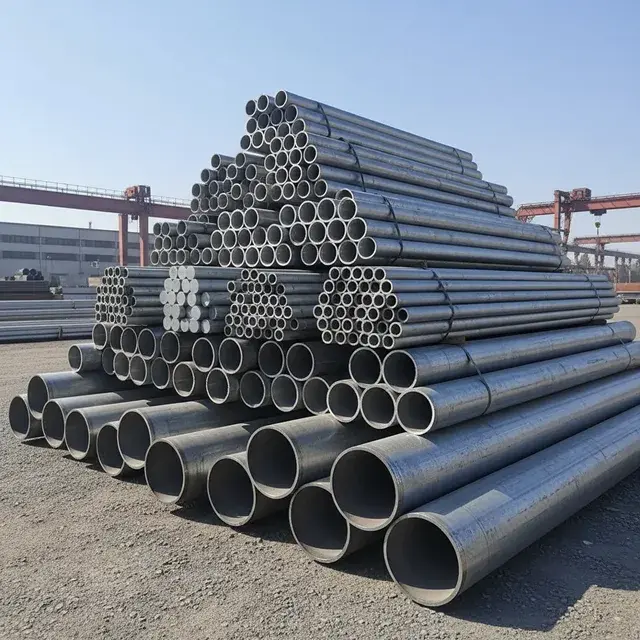
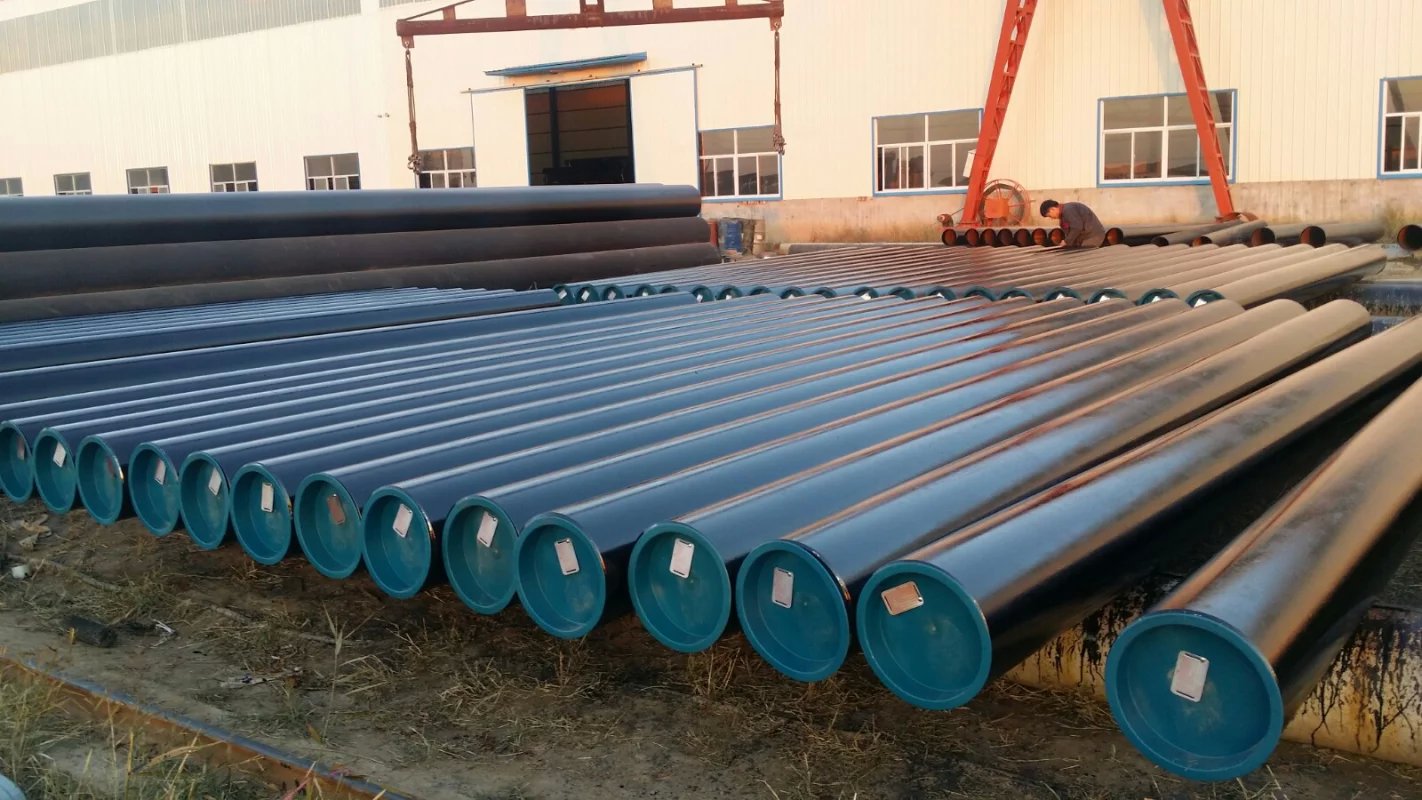
Welded pipe is a cylindrical pipe generally made by welding the steel plates or steel coils edges into a cylinder. The process allows for the production of a strong and durable pipe for many applications within an industry. The pipe can have a longitudinal or spiral weld design depending on the methodology.
Common types include:
- ERW (Electric Resistance Welded): Low and medium-pressure applications.
- LSAW (Longitudinal Submerged Arc Welded): Large diameter pipelines.
- SSAW (Spiral Submerged Arc Welded): Long-distance gas and water transport.
Welded pipes will not undergo extensive mechanical changes during manufacturing, allowing them to maintain a durable wall thickness and level of precision that makes them more versatile.
Key Advantages of Using Welded Pipes
1. Cost-Effective for Large Projects
Welded pipes are significantly cheaper than seamless pipes due to the affordable raw materials and the manufacturing process being exceptionally designed for mass production, meeting the needs of projects requiring substantial amounts.
2. Faster Production and Delivery Times
Welded pipe manufacturing can be completed much quicker. So, we can manufacture large orders much faster with very little rest time between large orders and no long waiting times, allowing industries to keep on track with their tight project schedules.
3. Reliable Measurements
Since welded pipes are tailored from flat-rolled steel, they have the same diameter and wall thickness. Additionally, this uniformity further eases installation, helps prevent leaks, and ensures good, stable system performance.
4. Variety of Grades and Sizes
Welded pipes are so popular amongst different industries that they are much easier to find than seamless pipes. A good welded pipe supplier will likely have many widths, lengths, thicknesses, and steel grades in stock.
5. Versatile Application
These can be used as skeletal equipment for a construction project and the movement of liquids. These pipes can withstand different amounts of pressure and temperature, allowing them to be beneficial for different conditions and requirements.
Applications of Welded Pipes in Industrial Projects
The structural integrity and versatility of welded pipes create many opportunities in various areas. Here are some of the most familiar applications:
- Oil & Gas Pipelines – transporting crude, natural gas, or refined fuels.
- Construction and Infrastructure – used for structural framework components, such as columns, beams, and pilings.
- Welded pipes for water management can be used in water distribution and cleaning wastewater.
- Power Generation – utilized for boilers, condensers, and cooling.
- Chemical and Petrochemical – used to convey corrosive fluids, using either coating or alloy.
Buying from a reputable welded pipe supplier will ensure your pipes meet your specifications and project safety.
Welded Pipes vs Seamless Pipes: A Quick Comparison
| Feature | Welded Pipes | Seamless Pipes |
| Manufacturing Process | Rolled steel plates welded at the seam | Solid steel billet pierced and rolled |
| Cost | More affordable | Higher due to the complex process |
| Wall Thickness Uniformity | Highly consistent | Slight variation possible |
| Availability | Easy to source in large volumes | Limited to higher diameters |
| Pressure Resistance | Suitable for most applications | Better for extreme pressure |
| Lead Time | Shorter due to fast production | Longer due to process complexity |
Quality Considerations and Industry Standards
When obtaining welded pipes, quality comes first, especially for industrial use:
- Certifications: Check that the pipes conform to international standards such as ASTM, API, and ASME.
- Testing Procedures: Pipes must undergo hydrostatic testing, ultrasonic inspection, and radiographic checks.
- Corrosion Resistance: Depending on the environment, you may need galvanised or stainless steel options.
- Weld Integrity: A reliable welded pipe supplier should assure complete trackability and quality reports.
- Material Grade: The Right steel grade must be chosen based on pressure, temperature, and exposure.
Always inspect samples and check the supplier’s credentials before placing bulk orders.
Making the Right Choice with Welded Pipes
Welded pipes present a workable and reliable option for industries that require exceptional precision, durability, and efficiency. Their versatility across applications, numerous specifications, and dependable performance make them indispensable in industrial engineering.
From managing an oil pipeline to building structural frameworks and setting up a water system, dealing with an experienced welded pipe supplier makes all the difference. JSS Pipes has top-grade products built to specification and delivered within the required timelines.
FAQs
Are welded pipes weaker than seamless pipes?
Not necessarily. While seamless pipes lack a weld seam, modern welded pipes undergo rigorous testing and quality control, making them suitable for most applications, including high-pressure systems.
Can welded pipes handle high pressure?
Yes. Welded pipes perform well under high-pressure environments when manufactured to the right specifications and tested properly.
What types of welded pipes are most commonly used?
The most used types are ERW (Electric Resistance Welded), LSAW (Longitudinal Submerged Arc Welded), and SSAW (Spiral Submerged Arc Welded), each with its own strengths based on the application.
Are they suitable for corrosive environments?
Yes. With the right material selection—such as stainless steel—or protective coatings, welded pipes can resist corrosion effectively.
How are they tested for quality and durability?
They undergo a combination of non-destructive testing (NDT), including ultrasonic and X-ray inspections, along with pressure and chemical resistance tests.