In any industrial setup, smooth fluid control isn’t just about convenience, it’s essential to safety, efficiency, and cost control. When pipelines operate under high pressure or transfer harsh chemicals, even a minor valve failure can bring operations to a halt or trigger costly repairs. That’s where choosing the right and trusted brass ball valve manufacturer, becomes critical, ensuring long-term reliability and smooth system performance under all conditions.
Now, let’s know about brass valves and explore the various types of brass ball valves and where they’re used in industrial applications.
What Are Brass Ball Valves?
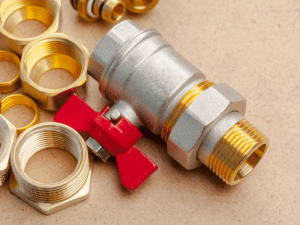
A brass ball valve is a quarter-turn valve that uses a perforated, rotating ball to control the flow of liquids or gases. These valves are constructed mainly from brass, copper, and zinc, giving them an ideal blend of durability, corrosion resistance, and thermal ability.
The internal ball includes a hole through the middle (called a bore). When the bore aligns with the pipe, fluid flows freely. When rotated 90 degrees, the bore is perpendicular to the flow, and the valve shuts off completely. This quick shutoff capability makes brass ball valves ideal for handling high-pressure systems with confidence and control.
Key Features and Advantages of Brass Ball Valves
Before choosing a brass ball valve manufacturer, it’s important to understand why brass is often preferred over other materials like stainless steel or PVC:
- Corrosion Resistance: Brass naturally resists water corrosion and mineral buildup, making it an ideal material for use in water and petroleum applications.
- Temperature Tolerance: Built to perform in both hot and cold environments, brass ball valves maintain reliable operation even under extreme temperature fluctuations.
- Durability: They don’t easily deform under stress, ensuring seamless function even in high-pressure systems.
- Cost-Effective Solution: Compared to stainless steel, brass offers a similar performance in many applications at a lower cost.
- Easy to Operate: A simple quarter-turn handle enables fast and reliable shut-off.
These advantages make brass ball valves a balance of performance and affordability, especially when sourced from reputable ball valve manufacturers who prioritize quality.
Types of Brass Ball Valves
Brass ball valves come in multiple configurations, depending on the flow type, port structure, and sealing method. Here are some of the most common types with their specific characteristics:
1. Full Port (Full Bore) Brass Ball Valves
These valves feature an opening (bore) that’s the same size as the connecting pipe, allowing fluid to pass through without any restriction. This design reduces pressure drop and maximizes flow efficiency. Full port valves are ideal for high-volume applications such as oil and gas pipelines, commercial HVAC systems, or industrial cooling lines where every bit of flow matters.
2. Standard Port Brass Ball Valves
Also known as reduced port valves, these have a slightly smaller opening than the pipe itself. While they restrict flow more than full port valves, they’re still highly efficient for medium-pressure systems. Standard port valves are commonly used in household plumbing, irrigation systems, and commercial water supply lines where full flow isn’t a priority but reliability is.
3. Two-Way Brass Ball Valves
The simplest and most widely used design, two-way valves feature one inlet and one outlet. They’re ideal for basic on/off flow control in systems such as water tanks, heating loops, or fuel lines. When you need a straightforward solution for flow isolation, without redirection or diversion, two-way ball valves are the go-to choice.
4. Three-Way Brass Ball Valves (T-Port or L-Port)
These versatile valves have three ports in a single body, allowing you to control flow in multiple directions. T-port valves can mix or split flow, while L-port valves are great for diverting flow between two outlets. These are commonly used in chemical dosing, beverage processing, and industrial mixing systems where flow needs to be redirected or blended.
5. Actuated Brass Ball Valves
Instead of manual handles, actuated ball valves are powered by electric, pneumatic, or hydraulic controls. These are essential for automated systems or hard-to-reach areas, and help reduce manual labor. They’re widely used in oil refineries, manufacturing plants, and other high-tech operations where remote monitoring and instant response are required.
By partnering with a trusted brass ball valve manufacturer, you can choose different sizes, thread types, end connections, and pressure ratings that suit your exact application.
Industrial Applications of Brass Ball Valves
Brass ball valves are highly used due to their balance of performance, durability, and cost-efficiency. Below are some common industrial applications:
- Oil and Gas Systems: They regulate the flow of crude oil, gas, and hydrocarbons within pipelines and refineries, where controlled, leak-free operation is essential.
- Heating, Ventilation, and Air Conditioning (HVAC): This is used for controlling the flow of refrigerants, hot water, and air systems. Their thermal stability makes them ideal for use in systems with fluctuating temperatures.
- Water Treatment and Distribution: Brass valves are perfect for potable water systems, irrigation networks, and wastewater treatment because they resist rust and chemical corrosion.
- Marine and Offshore: They’re frequently found in shipbuilding and offshore drilling systems where high pressure, saltwater exposure, and corrosion demand robust valve performance.
- Chemical Processing: Due to their resistance to mild chemicals and non-acidic fluids, brass ball valves efficiently handle industrial solvents and coolant solutions.
Wherever reliable shut-off is required, brass ball valves are often the first choice.
Factors to Consider When Selecting Brass Ball Valves
Choosing the right ball valve manufacturers goes beyond just finding the right size, it’s about ensuring quality, reliability, and long-lasting performance.
Here’s what to consider:
- Pressure Rating (PSI): Know the maximum operating pressure of your system.
- Temperature Range: Ensure the valve operates within your specified temperature range to prevent deformation.
- Thread Type (NPT, BSP, Compression): Choose a compatible thread standard to avoid leakage.
- Port Design (Full or Reduced Bore): Analyze the importance of flow efficiency for your use case.
- Media Compatibility: Verify if brass suits the chemical makeup of the fluid or gas being transported.
- Certification and Standards: Look for valves that meet ANSI, ISO, or ASTM standards, especially when working with a certified brass ball valve manufacturer.
By carefully evaluating these factors, you prevent costly breakdowns and enhance system safety.
Maintenance and Longevity Tips
Keeping your brass ball valves in top condition prolongs their life and maintains optimal performance. Here are a few tips:
- Perform regular inspections for leaks, corrosion, or blockages
- Clean external dirt or deposits to prevent deterioration
- Exercise the valve periodically to avoid stiff operation
- Replace seals or O-rings at the first signs of wear
- Follow manufacturer-specific lubrication recommendations
- Avoid using brass valves with highly acidic or corrosive chemicals that can degrade zinc
Make the Right Choice for Long-Term Flow Control
Brass ball valves are indispensable across multiple industries due to their resilience, versatility, and ease of operation. Whether you’re designing a new pipeline or upgrading an aging system, the right valve will dramatically improve safety, efficiency, and reduce time costs.
For reliable and tested ball valves, JSS Pipes offers a wide selection designed to meet international standards and application-specific needs. As a trusted brass ball valve manufacturer, they deliver top-tier quality backed by expert support, ensuring every connection in your system is engineered for long-term performance.