How do refineries manage to keep crude oil moving smoothly, even as global energy demands surge? The secret often lies beyond massive machinery, it’s in the dependable performance of the smallest but most critical parts of their oil piping systems, which facility managers and procurement specialists rely on every day.
Whether you’re modernizing existing pipelines or constructing new ones, understanding the function and failure points of each part is key to transforming weak links into high-performance assets. This is where dependable pipe and fitting solutions for oil sector projects become indispensable, turning potential risks into lasting reliability. Read on to know why flanges, elbows, and valves are essential in oil industry piping systems.
Understanding Oil Sector Piping Systems
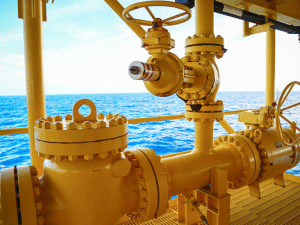
Oil pipelines are far more than industrial steel tubes, they serve as a vital lifeline, transporting crude oil, chemicals, and refined fuels every single day. Running across offshore platforms, desert, and complex refinery networks, these systems endure intense pressure, temperature fluctuations, and corrosive environments.
When component failure results from poor-quality fittings, the stakes are high, from costly regulatory penalties to severe environmental hazards. Pipelines depend on a precise combination of straight pipes, flanges, elbows, and valves, each performing a critical role. If one part fails, the entire system is compromised. That’s why oil facilities rely on certified pipe fittings and flanges manufactured by reputable pipes and fittings suppliers in the UAE, to ensure that every connection in the system is built to withstand the test of time, pressure, and compliance.
Flanges: Connecting and Securing Pipeline Sections
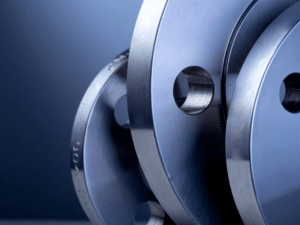
Flanges are the rugged connectors that hold your pipeline together. They let you bolt sections of pipes or equipment securely, while still allowing access for maintenance or inspection.
But in harsh coastal conditions, where salt-laden air, humidity, and hydrocarbon exposure are constant threats, low-quality or untested flanges can crack, leak, or even burst under pressure. The result? Unexpected shutdowns and soaring repair costs.
Key Challenges Faced by Industries:
- Frequent flange failures in coastal or offshore environments
- Poor gasket sealing leading to chronic leaks
- Delays or errors due to non-standard sizing or drilling patterns
Using the right flange, whether weld neck, slip-on, or blind, helps operators prevent unplanned shutdowns, oil spills, or expensive maintenance cycles. Sourcing from established pipes and fittings suppliers in the UAE gives you the reassurance of certified manufacturing, pressure ratings, and material traceability for safer and smarter deployment.
Elbows: Controlling Flow Direction and Pressure
Every pipeline needs to turn, and elbows make that possible without disrupting flow or pressure dynamics.
But not all elbows are created equal. Poorly engineered ones cause internal turbulence, leading to pressure loss, erosion, and even equipment failure. In refinery layouts where space is tight and angles are critical, you need elbows that balance smooth flow with structural strength.
Key Elbow Concerns for Oil Operators:
- Accelerated wear due to high-velocity fluid abrasion
- Poor fitment is causing alignment and stress issues
- Inconsistent materials that fail under pressure variation
By partnering with leading pipe fittings and flanges manufacturers, operators can ensure access to high-quality elbows that meet stringent safety and performance standards. Whether it’s long-radius or short-radius bends, 45° or 180° configurations, or materials ranging from carbon steel to advanced alloys, the right supplier delivers elbows engineered to withstand the extreme pressures, temperatures, and corrosive conditions of oil sector applications.
Smart choice of elbows not only ensures pipeline integrity, but it also saves energy costs by reducing friction and pumping effort.
Valves: Regulating and Managing Fluid Flow
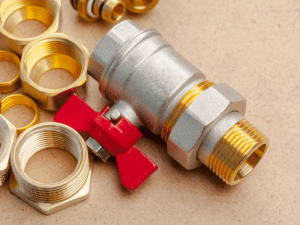
Valves are the command centers of your pipeline system. Whether isolating sections for maintenance, rerouting flow during emergencies, or controlling delivery pressure, they make sure your pipeline operates safely and efficiently.
The nightmare scenario? Stuck or leaking valves during high-pressure operations. Besides inviting operational hazards, malfunctioning valves heighten the risk of non-compliance during audits or ISO inspections.
Operator Concerns:
- Leaking valve seats are affecting flow accuracy
- Difficulty in controlling remote or automated systems
- Corrosion under variable temperature and pressure cycles
Most of the suppliers offer valves customized to meet the requirements of the oil industry, featuring anti-corrosive coatings, full-port options, and compliance-based specifications for seamless integration with SCADA systems.
From gate and globe valves to ball and check valves, the selection equips you to meet regulatory demands and achieve superior flow control, especially when sourced from reliable pipes and fittings suppliers in the UAE.
How Flanges, Elbows, and Valves Work Together
The individual performance of flanges, elbows, and valves is only part of the story. True reliability comes from how seamlessly they interact in a connected system.
In most pipelines, elbows redirect flow into valve assemblies bolted together with flanges. If one isn’t compatible in size, material, or pressure rating, the entire chain weakens.
That’s why working with one-stop pipe and fitting solutions for oil sector providers is crucial. Fully compatible products eliminate the risk of mismatched parts or irregular performance. These systems are engineered to reduce vibration, allow easy inspection access, and handle surge loads effortlessly, ensuring uninterrupted performance and fewer maintenance disruptions.
Material Selection for Oil Sector Durability
The right material equals a longer service life. The wrong one? Repeated replacement and dangerous system wear.
In the UAE, where pipeline systems are exposed to harsh weather, saline environments, and corrosive hydrocarbons, the material choice becomes especially vital.
Common Material Challenges:
- Carbon steel oxidation in humid offshore areas
- Alloy brittleness in extreme heat cycles
- Stainless steel chlorination in chemical exposure zones
Whether it’s carbon steel for internal flow lines or Inconel for corrosive condensate piping, working with experts ensures you make informed material selections, avoiding mismatched specifications and future-proofing your operations. By choosing authorized pipe fittings and flanges manufacturers, you gain access to full traceability, compliance certificates, and mill test results, all essential for passing rigorous audits such as TUV, DNV, or ISO.
Maintenance and Inspection Best Practices
Even the best flanges, elbows, and valves need maintenance. Routine checks help identify wear points before they escalate into shutdowns or safety incidents.
What to Monitor:
- Corrosion, pitting, or early fatigue
- Pressure inconsistencies, vibration, or noise
- Joint leaks due to loose bolts or degraded gaskets
When you partner with expert pipes and fittings suppliers in the UAE, you get both quality equipment and expert advice to improve your inspection protocols and ensure longevity across every stage of your pipeline lifecycle.
Conclusion
In the oil sector, reliable piping isn’t optional; it’s essential.
Whether you’re operating offshore platforms, refinery process units, or long-distance distribution lines, every flange, elbow, and valve plays its part in protecting your operations, workforce, and investment.
For dependable, safety-focused, and performance-tested pipe and fitting solutions for oil sector needs, JSS Pipes is your trusted partner. As one of the most respected manufacturers and certified suppliers of pipes and fittings in the UAE, we help you build pipelines that perform with integrity, regardless of the conditions.
Let’s secure your infrastructure, one welded joint, one controlled valve, and one precision-engineered flange at a time.