What keeps massive oil pipelines, high-temperature petrochemical systems, and advanced water treatment lines running smoothly and safely? The answer lies in a small yet critical component, flanges. These connectors may work behind the scenes, but they are vital to maintaining the strength, safety, and performance of infrastructure systems.
For engineers and project managers, sourcing from reliable flange suppliers is more than a purchase, it’s a strategy to reduce downtime and enhance safety. Whether using weld neck flanges for high-pressure pipelines or blind flanges to isolate sections during maintenance, trusted suppliers help protect system integrity and improve long-term performance.
Knowing how flanges work is key to keeping these complex systems running without interruption, ensuring safety, efficiency, and long-term operational success.
What Are Flanges and Why Are They Important?
Flanges are essential components used to connect pipes, valves, pumps, and other equipment in industrial piping systems. They create secure joints that can withstand pressure, temperature changes, and vibration.
Their key importance lies in enabling easy assembly, disassembly, and maintenance without cutting or damaging the pipeline. In industries like oil & gas, petrochemicals, and water treatment, flanges ensure leak-proof performance, system flexibility, and long-term reliability under demanding conditions.
Types of Flanges Used in Industrial Projects
Flanges vary to meet specific project requirements, offering flexibility across industries. Here’s a breakdown of common types:
- Weld Neck Flanges: Fully welded to pipes for superior strength in high-pressure scenarios, ideal for demanding connections.
- Slip-On Flanges: Easily positioned over pipes and welded, providing economical solutions for moderate-pressure systems.
- Socket Weld Flanges: Designed for smaller pipes, these flanges create leak-resistant joints with minimal welding, making them ideal for compact setups.
- Lap Joint Flanges: Allow for pipe rotation, providing precise alignment, and are often used with stub ends in areas requiring frequent adjustments.
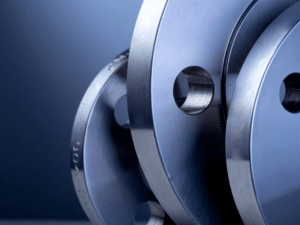
- Blind Flanges: Solid discs that block flow, essential for isolating sections during testing or modifications, sourced reliably from blank flanges suppliers.
- Threaded Flanges: Screwed onto pipes without welding, perfect for temporary or easily modifiable installations.
Reputable flanges suppliers maintain stocks of these varieties, ensuring quick availability and customization to fit your project’s scale in Dubai’s fast-paced environment.
Flange Applications in the Oil & Gas Industry
In oil & gas operations, every connection is important, especially when the goal is to move high-pressure hydrocarbons safely and efficiently. Flanges play a vital role at every stage, helping manage everything from raw extraction to refined product transport.
Upstream (Exploration & Production):
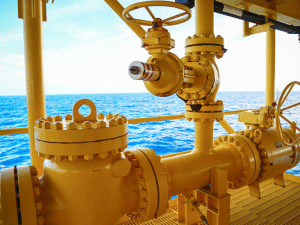
Weld neck flanges are indispensable on offshore and onshore rigs. They connect risers and high-pressure piping systems, standing up to extreme temperatures, corrosive saltwater exposure, and heavy vibration. Their tapered hub design evenly distributes mechanical stresses, reducing the risk of cracking.
Midstream (Transport & Storage):
Slip-on flanges simplify installation in extensive pipeline networks across refineries, tank farms, and cross-country transportation systems. Their design allows them to slide over pipes and get welded into place quickly, ideal for long hauls and minimal maintenance downtime.
Downstream (Refining):
During planned shutdowns or emergency maintenance, blind flanges from reliable blank flange suppliers are sealing heroes. They isolate sections of pipelines or vessels without needing to dismantle entire systems, ensuring safety while enabling targeted repairs.
Throughout the oil & gas value chain, certified flanges that meet API, ASME, and ISO standards deliver the confidence needed to keep the world’s energy flowing.
Flange Applications in the Petrochemical Industry
Dubai’s petrochemical sector processes hydrocarbons into essential products like plastics, resins, solvents, and more. In such environments, pipelines require heavy-duty components that can withstand extreme heat, corrosive chemicals, and constant industrial stress.
High-Heat Reactors & Distillation Columns:
Weld neck and socket weld flanges connect high-temperature units where heat can exceed 1000°C. Their robust design ensures that even under thermal expansion, the joints stay leak-proof and stable.
Piping Flexibility for Operational Efficiency:
Lap joint flanges get paired with stub ends, allowing the free rotation of pipes. This feature is especially useful during frequent equipment changes, expansion projects, or adjustments in reactor setups—making maintenance faster and less costly.
Equipment Isolation & Safety:
Blank or blind flanges, supplied by specialized blank flanges suppliers, are used during cleaning, inspection, or replacing worn-out parts. They create secure system seals, protecting workers from hazardous chemicals and fumes.
To meet the challenges of the petrochemical industry, high-performance flanges are engineered for chemical compatibility, heat resistance, and vibration stability.
Flange Applications in Water Treatment Projects
Dubai’s commitment to sustainable water management relies heavily on infrastructure built to global standards. From desalination to wastewater treatment, flanges ensure that flow systems remain secure, sanitary, and resistant to corrosion.
Desalination Plants:
Weld neck flanges link pressurized pumps and reverse osmosis units. Their precision engineering holds up in high-pressure saltwater filtration systems, maintaining water quality and ensuring zero contamination.
Municipal Potable Water Pipelines:
Slip-on and threaded flanges are preferred for city-wide distribution lines. These flanges make assembly and future expansion or repair easier, giving municipal teams the flexibility needed for rapid urban development.
Wastewater and Recycling Facilities:
Blind flanges from trusted blank flanges suppliers are essential for isolating filtration units or tanks during cleaning cycles. They help maintain the system’s hygiene and efficiency and support safe working conditions for maintenance crews.
Flanges made from corrosion-resistant materials and coated finishes ensure long-term performance in chlorine-treated water and saline environments, crucial in regions like the UAE, where water scarcity and infrastructure longevity are top priorities.
Key Benefits of Using Quality Flanges
High-quality flanges deliver multiple advantages for industrial projects:
- Enhanced Safety: They maintain tight seals under pressure, protecting personnel and assets in critical operations.
- Durability and Cost Savings: Long-lasting materials reduce replacement needs, lowering overall expenses.
- Ease of Installation and Maintenance: Designs like slip-on or threaded types speed up assembly and access, minimizing downtime.
- Scalability: Versatile options from flanges suppliers adapt to project growth without major overhauls.
- System Protection: Blanks from blank flanges suppliers prevent contamination, extending equipment life.
These benefits make quality flanges a strategic choice for Dubai’s engineering teams, fostering reliable performance across sectors.
Material Selection for Different Industrial Environments
Choosing the right materials ensures flanges perform optimally in varied conditions. Key considerations include:
- Oil & Gas: Carbon steel for standard pressures; stainless steel or duplex alloys for corrosion resistance in sour gas fields.
- Petrochemicals: Hastelloy or Inconel for handling acids and high-heat processes, providing chemical stability.
- Water Treatment: Titanium or PVC-coated options to avoid leaching in desalination, ensuring potable water standards.
For Gulf climates, flanges suppliers recommend galvanized or epoxy-lined variants. Blank flanges suppliers match materials to specifications, supporting seamless integration and project longevity.
Standards and Certifications to Consider
Adhering to standards guarantees compatibility and quality. Essential ones include:
- ASME B16.5: Defines dimensions for global interoperability.
- API 6A: Ensures performance in oil & gas extremes.
- ISO 9001: Certifies supplier quality processes.
- ASTM Specifications: Outline material properties for petrochemical strength.
- NSF/ANSI 61: Verifies safety for water contact in treatment systems.
- NACE MR0175: Addresses corrosion in harsh environments.
Flange suppliers and blank flange suppliers provide certified products, simplifying compliance and aligning with Dubai’s regulatory framework for smooth project execution.
Empowering Your Projects with Reliable Flange Solutions
Flanges are the backbone of oil & gas, petrochemical, and water treatment projects, providing secure, flexible connections that ensure smooth and safe operations. Their role in handling pressure, temperature, and chemical exposure makes them essential to achieving long-term reliability and performance in critical infrastructure.
By partnering with experienced flanges suppliers and blank flanges suppliers, you can access high-quality components designed for precision and durability. And to complete your piping system with reliable ball valves, explore high-performance options available at JSS Pipes & Fittings. With the right components working together, your projects can reach optimal efficiency, meet safety standards, and contribute to the UAE’s ongoing industrial development.