Are leaks, pressure drops, or recurring pipeline failures slowing down your operations? In industries where fluid transport is critical, even a minor piping issue can lead to costly downtime and safety hazards.
If you’re responsible for ensuring the integrity and performance of industrial pipelines, understanding the role of butt weld fittings becomes essential. These fittings are fundamental to creating reliable, long-lasting, and leak-proof piping systems.
Whether you’re sourcing through local butt weld fittings suppliers or specialized bothwell fittings suppliers in the UAE, this detailed resource will help you make smarter buying and installation decisions.
What Are Butt Weld Fittings?
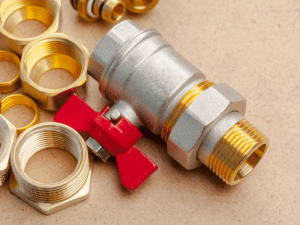
Butt weld fittings are components used to connect pipes and change their direction, diameter, or branching within a piping system. They are seamlessly welded to the ends of the pipes, creating a strong, leak-proof joint that can withstand high pressure and temperature. Common types include elbows, tees, reducers, and caps, making them essential in industries like oil and gas, petrochemicals, and power generation.
Advantages of Using Butt Weld Fittings in Piping Systems
Looking beyond the basic function of connecting pipes, butt weld fittings offer several advantages:
1. Strong and Reliable Connections
The fusion that occurs during butt welding forms a highly durable and permanent joint. This structural integrity minimizes the chances of failure even under tough operating conditions.
2. Leak-Proof Performance
Unlike fittings with threads or gaskets, butt weld fittings eliminate leakage points, making them ideal for transporting hazardous or high-value fluids.
3. Smooth Flow & Reduced Pressure Loss
Because the interior of a butt weld fitting is free from obstructions or abrupt transitions, fluid flow is streamlined. This reduces pressure drops and prevents the turbulence that can lead to erosion.
4. Handles Extreme Conditions
High pressures, high heat, and aggressive chemicals? No problem. Properly installed butt weld fittings can endure even the harshest environments.
5. Lightweight and Cost-Effective
They weigh lessthan flanged fittings, reduce the need for extra hardware, and require less space. But they require more effort to install initially, they save money over time because they need very little maintenance.
These advantages make butt weld fittings a go-to solution for reliability-focused industries, especially when sourced from trusted butt weld fittings suppliers.
Types of Butt Weld Fittings
Let’s explore the four most commonly used types in industrial applications: elbows, tees, reducers, and caps.
Elbows: Redefining the Flow Path
Elbows are fittings used to change the direction of fluid flow in a piping system. They enable layout flexibility and allow pipes to navigate around obstacles or connect different lines.
There are three main types based on angles and bend radius:
• 90° Elbows
Used for sharp directional changes, typically forming a right-angle turn. They come in two variants:
- Long Radius (LR): Bends with a radius 1.5 times the pipe diameter, offering smoother flow.
- Short Radius (SR): Compact bends with a radius equal to the pipe diameter, ideal for tight spaces.
• 45° Elbows
These elbows provide gentler directional changes and minimize friction, which is helpful in preventing pressure loss.
• 180° Return Bends
Used where the pipeline needs to change direction completely, such as in heat exchangers.
Whether for space-saving designs or smooth fluid handling, elbows play a key role, and reliable sourcing through reputable bothwell fittings suppliers in the UAE ensures they meet industry standards.
Tees: Branching Without Compromise
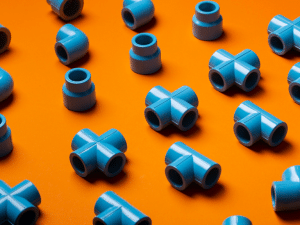
Tees enable a 90-degree branch from the main pipe, allowing fluid distribution or collection.
- Equal Tees: The branch and main pipe have the same diameter. Commonly used where equal fluid distribution is needed.
- Reducing Tees: The branch outlet is smaller, allowing for a reduction in flow or pipe size. These are perfect for systems where the flow rate needs to be controlled or adapted across sections.
Tees ensure pipeline flexibility and continued flow without modifying the main line significantly.
Reducers: Matching Pipe Sizes for Flow Continuity
Reducers connect pipes of different diameters, essential for maintaining consistent pressure and flow rates.
- Concentric Reducers: These form a cone-shaped fitting with aligned centers, used where the pipe runs vertically or centrally, ensuring uniform fluid flow.
- Eccentric Reducers: Offset on one side, these are suited for horizontal pipelines to prevent air accumulation or liquid pooling, minimizing risk of cavitation and turbulence.
When properly selected, reducers safeguard vital equipment such as pumps and compressors.
Caps: Sealing for Safety and Control
Pipe caps serve one main purpose, to close the end of a pipeline. They seal off liquid and gas exits and prevent contamination from entering.
Caps are commonly used during:
- System shutdowns for repairs or inspections
- Long-term sealing of unused pipes
- Temporary closures for testing or future expansion
An underrated yet crucial component, caps add flexibility and safety to pipeline systems.
Materials and Standards for Butt Weld Fittings
Quality and compatibility are vital. Butt weld fittings come in a range of materials, including:
- Carbon Steel
- Stainless Steel (304/316/316L)
- Alloy Steel
- Nickel, Duplex, and Super Duplex Alloys
These materials vary in how well they resist corrosion, withstand high temperatures, and handle pressure. The standard specifications governing these fittings, such as ASME B16.9, ensure consistency and safety.
Reputable butt weld fittings suppliers guarantee compliance with international codes. Always verify standards when choosing fittings from both general suppliers and specialized well-fittings suppliers in the UAE.
Applications Across Industries
The use of butt weld fittings spans across multiple industries:
- Oil & Gas: High-pressure crude and gas pipelines
- Chemical Processing: Transporting corrosive liquids and gases
- Food & Beverage: Hygienic and corrosion-resistant systems
- Power Plants: Steam and heat transfer lines
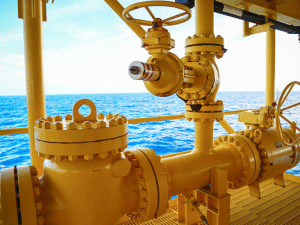
- Marine & Offshore: Saltwater and pressurized oil lines
- Water Treatment: Distribution and reverse osmosis pipelines
Their performance in extreme conditions makes them an indispensable component in mission-critical infrastructure.
How to Choose the Right Butt Weld Fitting
Your success depends on matching the right fitting to the right piping environment. Here’s a checklist:
- Assess Operating Conditions: Consider the temperature, pressure, fluid type, and vibration level.
- Select the Proper Material: Match it to corrosion factors and durability needs.
- Check Dimensional Compatibility: Ensure the fitting size and wall thickness (schedule) match the pipe.
- Space Constraints: Use long radius elbows for smooth flow or short radius ones when space is tight.
- Certifications: Stick to fittings that meet ASME or equivalent standards.
Always source from experienced, reliable butt weld fittings suppliers, especially those recognized as certified bothwell fittings suppliers in the UAE, if operating in that region.
Installation and Maintenance Tips
To maximize the lifespan and benefits of your butt weld fittings:
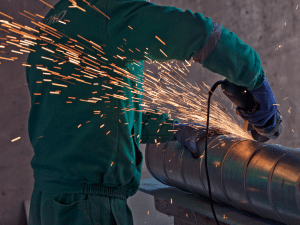
- Hire certified welders; proper welding is essential to avoid weak joints.
- Align pipes accurately before welding to prevent uneven stress or leaks.
- Follow heat treatment procedures where required to ensure structural soundness.
- Conduct post-weld inspection and non-destructive testing (NDT) where applicable.
- Maintain a log of materials, batch numbers, and certifications for audits and future repairs.
Building Strength from the Inside Out
The integrity of your piping system depends on what holds it together. From elbows to tees and caps to reducers, butt weld fittings are the unsung heroes of industrial fluid transfer. With unmatched strength, leak-proof design, and smooth internal flow, they deliver the performance modern systems demand.
Choosing the right fittings and the right butt weld fittings suppliers is not just a sourcing decision. It’s a strategic investment in your system’s safety, reliability, and long-term efficiency. For those operating in the Middle East, partnering with credible bothwell fittings suppliers in the UAE ensures access to products that meet global standards.
Invest wisely today; build pipelines that last for decades.