Brass ball valves play an important role in industrial tasks. They last longer, resist rust, and perform better than gate, globe, butterfly, or plastic valves. Water treatment plants, oil operations, and chemical factories rely on these valves the most. Buying from a reliable brass ball valve manufacturer helps save money and gives the option to get custom designs. They also offer key things like certifications, helpful advice, and shipping you can count on. Companies pick brass ball valves to build systems that are tough, efficient, and trustworthy.
What Defines a Brass Ball Valve?
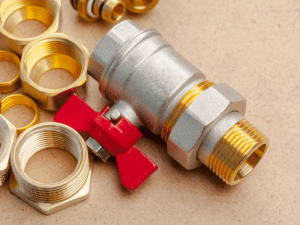
A brass ball valve works with just a quarter turn. A ball with a hole manages how liquids move through pipes. When the ball’s hole lines up with the pipe, liquids flow without trouble. A 90-degree turn shifts the solid part into place and stops the flow. Brass mixes copper and zinc, which resist rust and bacteria. This makes it excellent to handle water systems or deal with temperature changes. Today’s ball valve manufacturers construct these valves using durable components, such as plastic seats, stainless steel balls, and robust stems, to enhance their performance and extend their lifespan.
Main Advantages of Brass Ball Valves
Simple to Install and Operate
Brass ball valves are simple to use and install. Brass is softer than tougher materials like stainless steel. This softness makes it easier to seal, so plumbers can handle them without special training or tools.
Picking the Right Material
You can choose between leaded and non-lead types. The leaded ones cost much less and work well in jobs with non-drinkable water. To save money, use these in the right setting depending on your needs and how much you can spend.
Multiple Uses
Brass ball valves play a key role in plumbing systems for homes and businesses, as well as in HVAC setups and water wells. They handle many uses but aren’t ideal if the material flowing through them is corrosive. Their main advantage lies in how well they work with common water systems.
Easy Quarter-Turn Use
With just a simple quarter-turn, brass ball valves allow straightforward and accurate control over gas or liquid flow. This design ensures smooth operation and makes them handy in emergencies or during normal use.
Comparing Brass Ball Valves to Other Types
Gate Valves
Gate valves can handle turning water on and off, but they bring issues that brass ball valves avoid. They need a bunch of turns to open or shut, which slows things down and wears them out quicker. The wedge inside sometimes gets stuck when open, messing up the water flow and causing harm.
Brass ball valves fix these problems with a simple quarter-turn design. The smooth ball inside turns without much friction, so it lasts longer. They also seal much better than gate valves, which start leaking once parts wear out.
Globe Valves
Globe valves manage water flow but make it slower because water moves through a zigzag path inside. This design wastes energy and puts extra strain on the system. Dirt can also clog their complex internal structure easily.
Brass ball valves allow water to pass straight through without much resistance when open. This steady flow keeps systems running.
Butterfly Valves
Butterfly valves save space but struggle with high pressures and can’t stop water flow. Their internal disc always blocks some of the water even when they are open.
When open, brass ball valves let water pass without any blockage. They also provide better seals and handle higher pressure levels.
Plastic Valves
Plastic valves seem cheaper upfront, but they break when handling tough tasks. They often crack with time when exposed to sunlight or shifting temperatures.
Brass ball valves offer more strength. They manage heat better and outlast plastic ones.
Where Brass Ball Valves Are Used
Brass ball valves play a key role across industries because they handle many tasks . Heating and cooling systems use them to control the flow of refrigerants, hot water, and compressed air. Their tough build and ability to resist rust allow them to handle extreme temperatures, making them perfect for demanding conditions.
Chemical plants depend on these valves to manage mild chemicals, utility processes, and process water. Their sealing capability helps stop contamination from spreading into the environment. They also react, which is important during emergencies that require immediate shutdowns.
Cities use brass ball valves in water systems. Their rust resistance and germ-reducing properties ensure clean water and functionality even in buried setups.
The oil and gas industries make use of brass ball valves for controlling pressure and ensuring safety in fires. Their bubble-tight shutoff capability makes them a good choice for pipeline isolation and transferring custody of materials.
Reasons to Work with a Brass Ball Valve Manufacturer
Buying from a reliable brass ball valve manufacturer brings plenty of advantages compared to dealing with middlemen or regular suppliers. You can get valves designed to fit your exact needs, ensuring they function with your setup.
Manufacturers provide full technical assistance throughout the valve’s lifespan. They help from the initial design stage to installation and even share tips for repairs. This expertise becomes useful when you face tricky issues or need the valve to match an existing setup.
Another major plus of going straight to manufacturers is the strict quality control they maintain. They follow high-quality standards and supply detailed material data, performance stats, and important project paperwork you might need.
Working directly with manufacturers can lower costs on big orders or regular supply deals. Skipping middleman fees while benefiting from bulk pricing gives your business great opportunities to save money.
Key Points to Keep in Mind When Picking a Manufacturer
Creating a solid long-term partnership means looking at different factors while selecting manufacturers.
- Check if their manufacturing abilities match what you need. This could mean pressure limits the amount of heat they can handle, the way connections are designed, or any special materials required.
- Certifications like ISO 9001 or API approvals show the company cares about quality. They also prove the manufacturer sticks to safety rules and project standards.
- Strong technical support and deep industry knowledge separate top manufacturers from average ones. Choose companies that provide thorough engineering assistance, customized designs, and relevant expertise in the field.
- A dependable supply chain keeps things moving. Look at how manufacturers handle stock levels, shipping timelines, and international logistics to ensure you get what you need without delays.
Making the Smart Valve Choice
Selecting the right brass ball valves and partnering with the right manufacturer can enhance your system’s performance, reduce repair costs, and ensure its reliability over time. Brass ball valves perform better than other options, and expert suppliers offer useful support and expertise. This adds great value in various industrial applications. Focusing on top quality, proper compatibility of parts, and partnering with skilled brass valve manufacturers helps a business secure reliable valve solutions with long-term performance and solid results in key systems.