The Role of High-Quality Pipes in the Oil and Gas Industry

oil and gas pipe suppliers

The Role of High-Quality Pipes in the Oil and Gas Industry

The oil and gas industry keeps the globe running, providing the energy we rely on daily. At the core of this massive operation are pipes—simple yet essential components that make everything possible, from drilling deep underground to transporting oil and gas across continents. But not all pipes are built the same, and in such a demanding industry, quality isn’t just important—it’s critical. High-quality pipes keep operations safe, efficient, and reliable, while poor-quality ones can lead to costly, even dangerous, problems. In this blog, we’ll break down why quality matters and explore the types of pipes used, their key roles, and the risks of cutting corners. Plus, we’ll look at how to ensure you’re using the best pipes and what’s next for pipe technology in this ever-evolving industry.
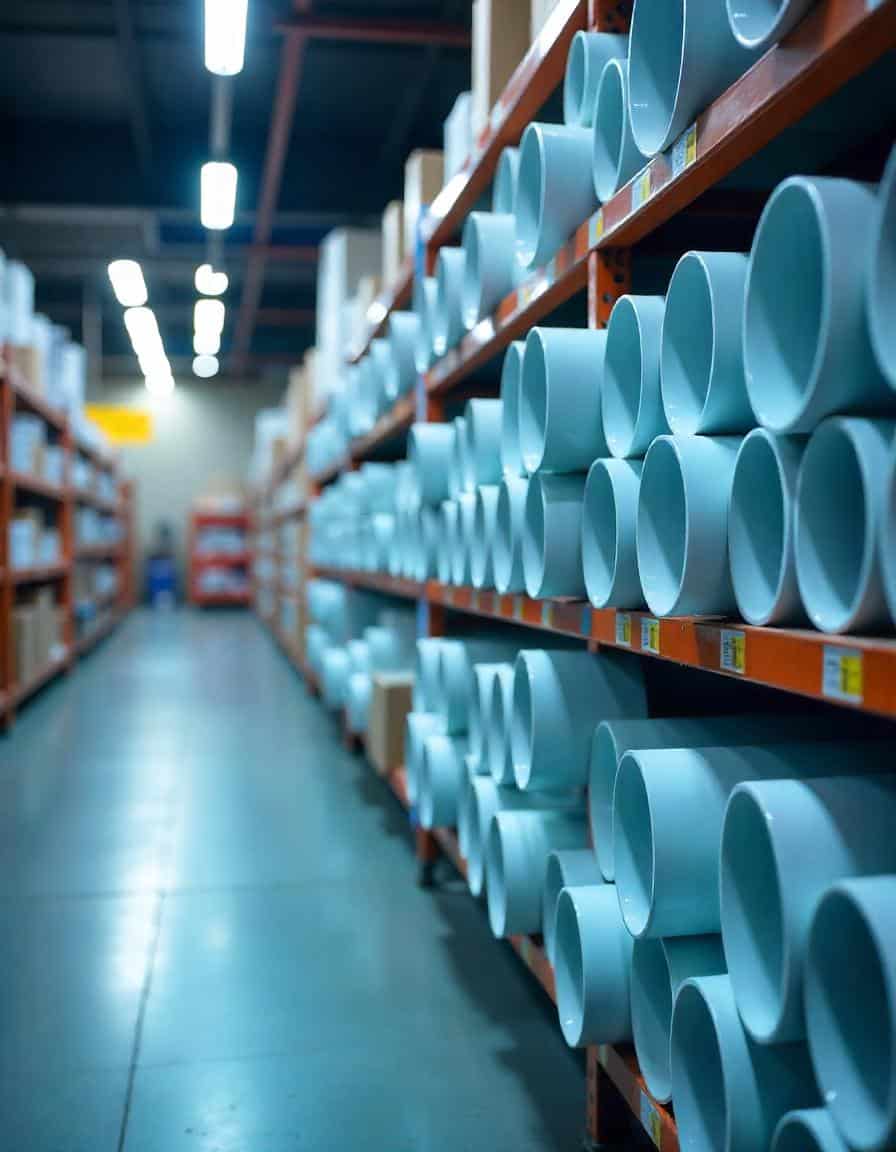
oil and gas pipe suppliers

Importance of High-Quality Pipes in the Oil and Gas Sector

The oil and gas industry exposes pipes to some of the harshest operating conditions imaginable. From handling intense pressure deep underground to resisting corrosion caused by harsh chemicals in offshore environments, they must perform without fail. High-quality pipes are built to handle these demands, helping prevent leaks, breakdowns, and costly disruptions. Beyond safety, they’re essential for staying compliant with strict industry regulations. A single pipe failure can cause environmental damage, financial setbacks, and even harm a company’s reputation. That’s why investing in quality materials isn’t just a smart decision—it’s a necessity.

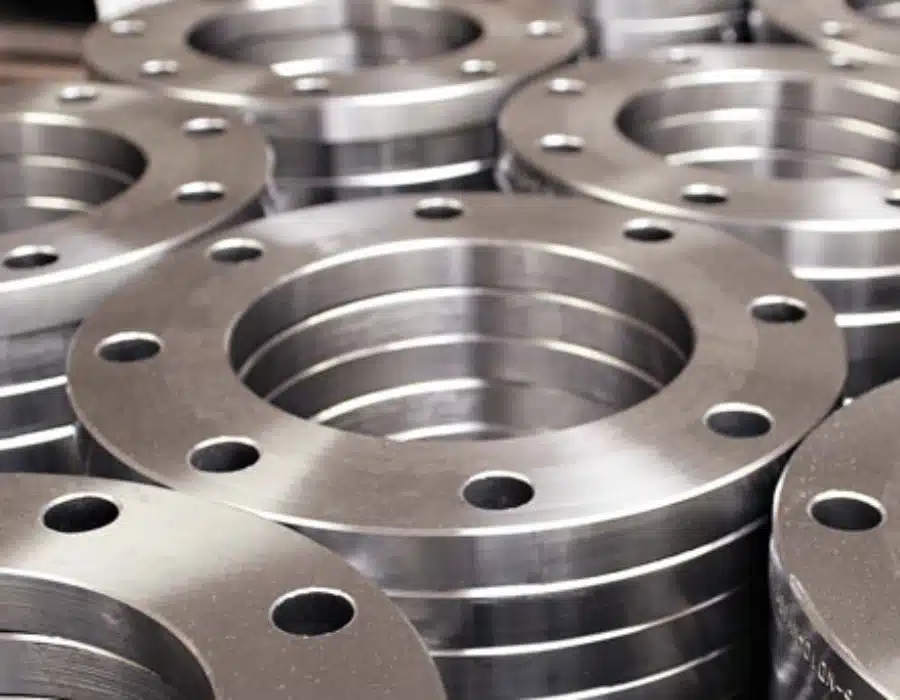
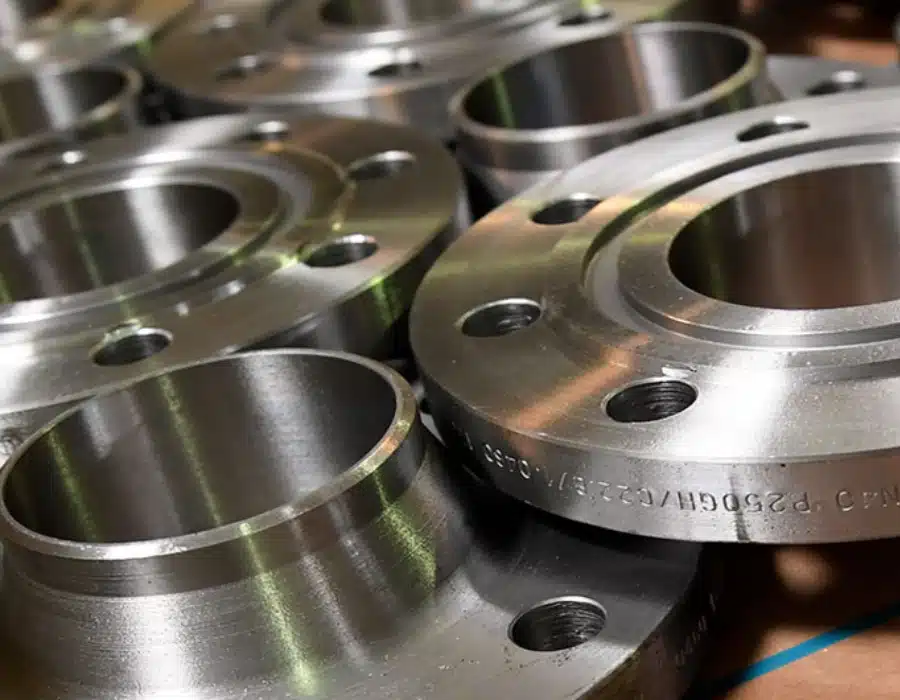
Working with trusted pipe flange suppliers is just as important. Reliable suppliers ensure that components like flanges and fittings are certified and fit perfectly into the system, reducing the risk of delays and unexpected issues. These parts are key in keeping pipelines secure and functioning, especially under high pressure. When everything works together seamlessly, it keeps operations running smoothly, from drilling and extraction all the way to distribution. In such a demanding industry, choosing high-quality pipes and components isn’t just about avoiding problems—it’s about keeping the entire system strong and reliable.

Types of Pipes Used in the Industry

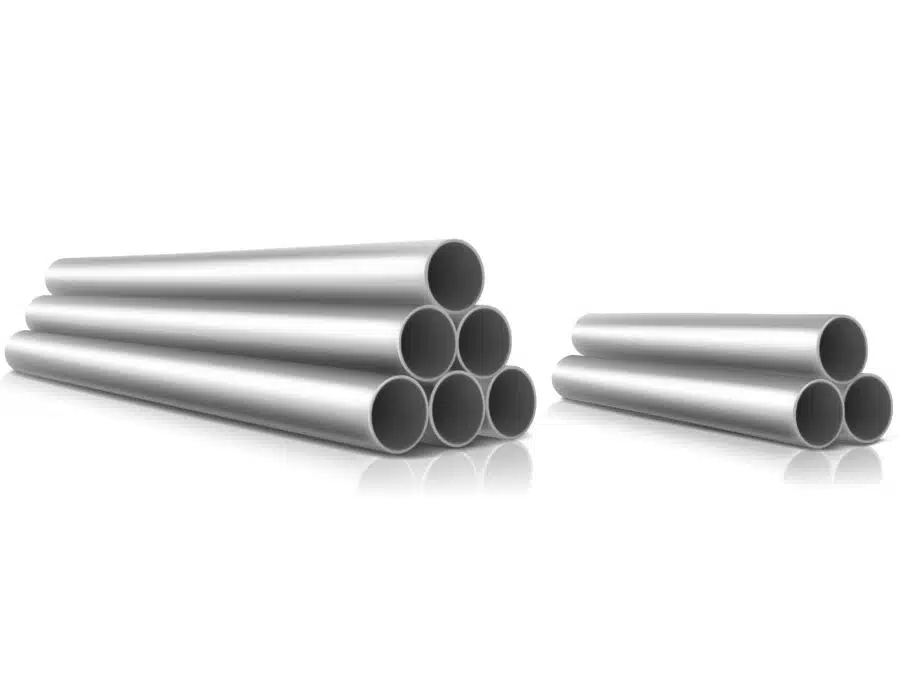
The oil and gas industry depends on various pipes, each designed for specific purposes and challenging environments. Here’s a closer look at the most commonly used types and why they matter:

  • Carbon Steel Pipes: These are widely used because they’re strong, durable, and cost-effective. They can handle high pressure and temperature, making them essential for many onshore and offshore operations.
  • Stainless Steel Pipes: When corrosion is a major concern—like in offshore environments or with exposure to harsh chemicals—stainless steel pipes are the top choice. Their superior rust resistance ensures long-lasting performance in tough conditions.
  • Alloy Pipes: These pipes are built for durability, combining different metals to create materials that can handle heavy loads and extreme environments. They’re perfect for high-demand applications where strength is critical.

Key Applications of Pipes in Oil and Gas

Pipes play an essential role at every stage of the oil and gas industry, serving several purposes depending on the operation. Here’s how they’re used throughout the process:

  • Upstream: Pipes are critical for drilling and casing, as well as for transporting crude oil or natural gas from deep reservoirs to the surface.
  • Midstream: They’re used to move oil and gas across long distances, often under high-pressure conditions, ensuring efficient and reliable transportation.
  • Downstream: Pipes are involved in refining, processing, and distributing oil and gas products to customers, helping to deliver the final product efficiently.
  • System Connectivity: Components like flanges and fittings from reliable pipe flange suppliers are essential for connecting systems smoothly. These parts help maintain consistent flow, minimize disruptions, and adapt to changes across the supply chain.

Benefits of Using High-Quality Pipes

High-quality pipes are essential in the oil and gas industry, offering more than just durability. Here’s why they make all the difference:

  • Safer Operations: When working in high-pressure, high-risk environments, reliable pipes are key to avoiding failures that could harm workers or the environment.
  • Cost-Effective in the Long Run: Quality pipes last longer and require less maintenance, saving you money on repairs and replacements over time.
  • Keeps Things Running Smoothly: Consistent flow rates and reduced energy use mean fewer hiccups in operations and more efficient processes overall.
  • Trusted Suppliers Matter: When you work with established pipes and fittings suppliers in the UAE, you’re getting materials tested to perform under tough conditions, giving you peace of mind.

Challenges Faced by Low-Quality Pipes in the Industry

Using low-quality pipes in the oil and gas industry can lead to a host of problems that no company wants to deal with. Here are some of the biggest challenges they bring:

  • Frequent Failures: Cheap pipes tend to break down more often, leading to unexpected disruptions and expensive repairs that slow everything down.
  • Corrosion Issues: In harsh environments or when exposed to chemicals, low-quality pipes are quick to corrode, which shortens their lifespan and drives up maintenance costs.
  • Leaks and Contamination: Poorly made pipes are more likely to leak, which can increase operational costs, harm the environment, and even cause legal trouble.
  • Fit and Compatibility Problems: Substandard pipes often don’t meet industry standards, making them harder to integrate with other components and creating inefficiencies.

How to Ensure the Quality of Pipes

Ensuring your pipes are high-quality is essential to keep operations safe and efficient. Here’s how you can do it:

  • Work with Trusted Suppliers: Reliable pipes and fittings suppliers in the UAE stick to strict international standards and provide certified products you can count on.
  • Test, Test, Test: Quality checks like hydrostatic testing, non-destructive testing, and chemical analysis are key to ensuring pipes are strong, durable, and ready for the job.
  • Store and Transport Carefully: Proper storage and handling during transport are important to prevent damage before the pipes even arrive on-site.
  • Inspect Regularly: Routine inspections and maintenance are vital to keeping your pipes in good shape and ensuring they last as long as they should.

Future Trends in Pipe Technology for Oil and Gas

The oil and gas industry is seeing rapid advancements, and pipe technology is no exception. Corrosion-resistant alloys and composite materials are becoming go-to solutions, offering longer lifespans and cutting maintenance costs. Smart pipes are also gaining traction, with embedded sensors that monitor flow rates, pressure, and corrosion in real-time, making it easier to identify and address issues before they escalate. Sustainability is another focus, with recycled and eco-friendly materials becoming more widely used. Leading pipe flange suppliers and manufacturers are already working to bring these innovations to operators, making the industry more efficient and future-ready.

High-quality pipes play a critical role in ensuring the safety and sustainability of operations in the oil and gas industry. Choosing the right materials and partnering with reliable pipes and fittings suppliers in the UAE isn’t just about meeting today’s demands—it’s about laying the foundation for a stronger, more resilient future. As technology evolves, innovations like smart monitoring systems, corrosion-resistant materials, and sustainable practices are set to redefine the way pipelines operate, creating opportunities for safer and more cost-effective solutions. Investing in quality today means staying ahead of the challenges and opportunities of tomorrow.


FAQ’s

What types of pipes are commonly used in the oil and gas industry?

You’ll typically see carbon steel, stainless steel, and alloy pipes used in this field. Each serves a specific purpose, depending on pressure and environmental conditions. By sourcing from trusted pipe flange suppliers, you can ensure you’re getting materials built to handle the job.

Why is it important to use high-quality pipes in oil and gas operations?

Using high-quality pipes isn’t just about performance—it’s about safety, reliability, and cost savings over time. Low-quality pipes can lead to leaks or failures, which are costly and risky. That’s why we always recommend working with reputable pipes and fittings suppliers in the UAE to ensure you’re investing in the best.

How do seamless pipes differ from welded pipes, and when should each be used?

Seamless pipes are stronger and great for high-pressure situations, while welded pipes are more budget-friendly and work well for less demanding conditions. It depends on the application, and sourcing from reliable pipe flange suppliers ensures you get the right fit for your needs.

7 Types of Gas Valves Used in the Oil & Gas Industry

Oil & Gas Industry

7 Types of Gas Valves Used in the Oil & Gas Industry

Valves are indispensable tools in the oil and gas industry, managing fluid movement, pressure, and flow direction within pipelines and equipment. They ensure seamless operations, uphold safety standards, and minimize risks during complex industrial processes. Without reliable valves, achieving operational efficiency and maintaining system integrity would be challenging. Let’s discuss seven common oil and gas valves, their design, benefits, drawbacks, and typical uses. By understanding these valves, you’ll see how they contribute to efficient and safe operations in the industry.

Oil & Gas Industry

1. Gate Valve

Design and Operation

Gate valves have a flat or wedge-shaped barrier (called a gate) that moves up and down to open or close and control fluid flow. The valve is fully open when the gate is lifted, and the fluid flows freely. When the gate is placed down, the flow is blocked completely.

  • Provides a tight seal, ensuring no leakage
  • Minimal pressure drop when fully open, maintaining efficient flow
  • Suitable for on/off control, making it ideal for isolation purposes

Limitations

  • It is not ideal for throttling applications, as it can cause damage to the valve
  • Slow operation compared to other valve types, which can be a drawback in time-sensitive situations

Typical Applications

Gate valves are often used in pipelines where a straight fluid flow is needed with little resistance. They are also widely used in the oil and gas industry to isolate sections of pipelines.

2.Globe Valve

How Does It Work?

Globe valves feature a round body with a movable disk and a fixed ring-shaped seat to regulate fluid flow. When the valve is turned, the disk moves up or down, allowing precise control over the amount of liquid or gas passing through. This makes globe valves ideal for applications that require accurate flow adjustment.

Key Benefits

  • Excellent throttling capability, allowing for precise control of fluid flow
  • Good shut-off characteristics, ensuring a tight seal when closed
  • Suitable for frequent operation, making it reliable for systems that require regular adjustments

Drawbacks

  • Higher pressure drop compared to gate valves, which can affect system efficiency
  • More complex design, leading to potentially higher maintenance requirements and costs

Common Uses

Globe valves are often used in applications requiring precise flow control, such as in cooling water systems, fuel oil systems, and the oil and gas industry. They are also commonly found in systems where frequent operation and adjustments are necessary, providing reliable performance in various industrial settings.

3. Ball Valve

Design and Features

Ball valves consist of a round ball with a hole through it. When the ball is turned, the hole lines up with the flow, letting fluid pass through. Turning the ball 90 degrees closes the valve, making it a quick and easy way to control fluid flow. This simple design makes ball valves reliable and easy to use.

Pros

  • Quick to open and close, making them ideal for emergency shut-off situations
  • Provides a tight seal, ensuring no leakage and maintaining system integrity
  • Low-pressure drop, which helps maintain efficient flow rates

Cons

  • Not suitable for throttling, as partial opening can cause damage to the valve
  • It can be more expensive than other valve types, which may impact budget considerations

Where Does It Shine?

Ball valves are perfect for situations where a strong seal and fast operation are needed. They are commonly used in the oil and gas industry, where their durability and efficiency are highly valued. A reliable ball valve supplier will provide various options to meet specific needs, ensuring a suitable ball valve for every application.

4. Check Valve

Purpose and Mechanism

Check valves that let fluid flow in only one direction, stopping it from flowing backwards. They work automatically, with the fluid opening the valve and the reverse flow closing it. This mechanism ensures the system remains protected from reverse flow, which can cause damage or contamination.

Advantages

  • Prevents backflow, protecting equipment and maintaining system integrity
  • Simple design, which makes them easy to set up and use
  • Low maintenance, meaning less need for frequent repairs and lower costs

Considerations

  • Not suitable for pulsating systems, as the constant changes in flow direction can cause wear and tear
  • It can cause water hammer if not properly selected, leading to potential damage and noise in the system

Applications

Check valves to prevent backflow and ensure unidirectional flow in various applications, including water and wastewater systems, chemical processing, and the oil and gas industry. They are essential in systems where maintaining a consistent flow direction is critical for safety and efficiency.

5. Butterfly Valve

Butterfly valves have a disk that spins around a central point to control fluid flow. The disk sits in the middle of the pipe, and a rod connects it to a controller outside the valve. This design allows for fast and easy flow control with little resistance.

Positives

  • They are small and light, making them easy to install and manage.
  • Quick to operate, allowing for rapid opening and closing
  • Suitable for large volume flows, ensuring efficient fluid management
  •  

Negatives

  • It is not suitable for high-pressure applications, as the disk can deform under extreme pressure
  • Limited throttling capability, which may not provide precise flow control

Where They’re Used

Butterfly valves are often used when large amounts of fluid need to be controlled, such as in water systems, heating and cooling systems, and the oil and gas sectors. Their compact design and quick operation make them ideal for systems where space is limited and rapid flow control is essential. They are also favoured in applications where weight is a concern, such as in large-scale piping systems.

6. Plug Valve

Mechanism

Plug valves have a cylinder or cone-shaped plug with a hole in the middle. The plug turns inside the valve to control the fluid flow. When the hole lines up with the flow, the valve opens, letting the fluid pass through. Rotating the plug 90 degrees closes the valve, effectively stopping the flow.

Advantages

  • Easy design, making them simple to understand and use.
  • Quick to operate, allowing for rapid opening and closing
  • Provides a tight seal, ensuring no leakage and maintaining system integrity

Drawbacks

  • It can be difficult to operate in high-pressure systems, as the plug may require significant force to turn
  • Needs regular maintenance to keep it working smoothly and avoid damage.

Industry Uses

Plug valves are used in chemical, water, and oil and gas industries for controlling the flow and diverting it when needed. Their robust design and quick operation make them suitable for applications where reliable and efficient flow control is essential. They are particularly valued in systems where limited space and a compact valve solution are needed.

7. Needle Valve (Alternate Option / Bonus Mention)

Design

Needle valves have a slender, tapered point at the end of a valve stem. The needle moves in and out of a seat to precisely control fluid flow. This design allows for very fine adjustments to the flow rate, making needle valves ideal for applications where precise control is essential.

Applications

Needle valves are used in applications requiring precise flow control, such as in instrumentation and sampling lines in the oil and gas industry. They are also commonly found in laboratory settings, hydraulic systems, and other environments where accurate flow regulation is critical. Their ability to provide fine control makes them invaluable in processes that demand high precision and reliability.

Factors to Consider When Choosing a Gas Valve

Pressure and Temperature Requirements

When selecting oil and gas valves, consider your application’s pressure and temperature conditions. High-pressure and high-temperature systems require robust valves that can withstand extreme conditions.

Flow Control vs. On/Off Isolation

Determine whether your application requires precise flow control or simple on/off isolation. Globally, valves are ideal for throttling, while gate and ball valves are better suited for on/off control.

Material Selection

Choose valve materials that work well with the fluids and the environment, such as stainless steel, carbon steel, and different types of alloys.

Standards and Certifications

Make sure the valves meet industry rules and certifications, like API, ANSI, and ISO, to ensure safety and dependability.

Maintenance and Life Cycle Cost

Consider the valves’ maintenance requirements and life cycle cost. Investing in high-quality valves can reduce maintenance costs and extend the life of your system.

Conclusion

Understanding the different oil and gas valves and their specific applications is crucial for optimizing the performance and safety of your operations. Choosing the right valve for your needs helps make sure your system is durable and reliable.

FAQs

What are the different types of valves? 

Common valves, including gate, globe, ball, check, butterfly, plug, and needle valves, are essential in various industries. Specifically, oil and gas valves are designed with unique features to meet the demands of the oil and gas sector, ensuring reliable performance for different applications.

What are the uses of valves? 

Valves control fluids’ flow, pressure, and direction in various systems, including water distribution, chemical processing, and the oil and gas industry. In particular, oil and gas valves are designed to handle the specific demands of the sector, ensuring safe and efficient operation.

What are the 4 types of heart valves? 

The four types of heart valves are the aortic, mitral, pulmonary, and tricuspid. These valves control blood flow in the heart and ensure it moves in the correct direction. Similarly, a ball valve supplier provides a range of ball valves used to regulate fluid flow in various systems, offering precise control like heart valves do in the circulatory system.

Common Types of Flange Used in the Oil and Gas Industry

flanges for the oil and gas industry

5 Common Types of Flange Used in the Oil and Gas Industry

Flanges play a key role in the oil and gas industry. They connect pipes, valves, pumps, and other equipment to create a secure piping system. They allow easy access for cleaning, inspection, and modifications, ensuring the system stays efficient and reliable. The right flange choice enhances durability and safety, preventing leaks and maintaining smooth operations.
Different types of flanges serve specific purposes, directly influencing performance and maintenance. Selecting the right one can enhance system integrity and minimize downtime. Understanding flange uses and their design, benefits, and uses is important for making smart choices when assembling and maintaining pipelines.
This blog will explore five common flanges for the oil and gas industry, detailing their design, advantages, and typical applications. By the end, readers will clearly understand these flanges and how to choose the right one for their needs.

flanges for the oil and gas industry

Weld Neck Flange

Weld neck flanges feature a long, tapered neck welded directly to the pipe. This design ensures a smooth transition between the flange and pipe, which helps reduce stress and increases the strength of the connection. Due to their durability, they are commonly used in industrial flanges requiring high performance.

Advantages

  • Provides outstanding strength and toughness, making it very reliable for demanding applications.
  • Ideal for high-pressure and high-temperature environments, ensuring optimal performance under extreme conditions.
  • Minimizes stress concentration, enhancing the longevity and integrity of connections.
  • Promotes a smooth and uninterrupted flow of fluids, preventing turbulence and inefficiencies.

Typical Applications

Weld neck flanges are one of the high-pressure systems, such as those found in the flanges of the oil and gas industry, where the integrity of the connection is paramount. Their capacity to withstand high temperatures and pressures makes them vital for key applications.

Slip-On Flange

Design and Fabrication

Slip-on flanges are made to slide over the pipe and then be welded into place. They are much easier to align and install than weld neck flanges, making them a popular choice for flange uses that need quick installation.

Advantages

  • Simple and quicker to install, saving both time and effort.
  • Lower upfront cost compared to weld neck flanges, making it budget-friendly.
  • Works well in low-pressure systems and non-critical applications.
  • It requires less precise pipe cutting, simplifies installation, and reduces labour.

Limitations

  • Less strong and durable compared to weld neck flanges.
  • It is not suitable for systems with high pressure or high temperatures.
  • Needs double welding for a secure and leak-proof connection, increasing labor effort.
  • Limited lifespan in demanding or harsh environments.

Common Uses

Slip-on flanges are frequently utilized in low-pressure applications where ease of installation and cost efficiency are more important than the strength of the connection. These industrial flanges are commonly found in water pipelines, cooling systems, and low-pressure steam lines, making them a versatile choice for various non-critical systems.

Socket Weld Flange

Socket weld flanges feature a socket that the pipe fits into, followed by welding around the joint. This design provides a smooth bore and better flow characteristics, making them highly effective in high-pressure applications.

Advantages

  • Offers a smooth bore, improving fluid flow and reducing resistance.
  • Ideal for small-diameter pipes handling high-pressure applications.
  • Provides a strong and dependable connection, ensuring system reliability.
  • Minimizes the risk of leaks due to its internal welding process.
  • Durable enough for long-term use in vital systems.
  • Maintains consistent performance in challenging environments.

Disadvantages

  • It is not practical for larger pipe sizes due to design limitations.
  • Requires accurate and skilled welding to create a secure and leak-free connection.
  • Installation can take more time and effort, increasing labour costs.

Where It’s Used

Socket weld flanges are typically used in high-pressure systems with small pipe diameters, such as those found in the oil and gas industry flanges. They are ideal for piping systems that handle hazardous fluids, ensuring a strong and leak-free connection.

Blind Flange

Blind flanges are used to close off pipe ends or openings in pressure vessels. They do not have a bore and are essentially solid disks, making them perfect for blocking off pipelines.

Advantages

  • Provides a strong and secure seal to close off pipelines or openings.
  • Makes it easy to access the system for inspections, cleaning, or maintenance.
  • Can handle high-pressure conditions effectively and prevent leaks.
  • Useful for pressure testing to ensure the system’s strength and reliability.
  • Durable and versatile, it is suitable for a variety of industrial applications.
  • Easy to remove or replace when needed, offering flexibility in operations.

Practical Applications

Blind flanges are widely used in systems designed for future expansion or maintenance, particularly in oil and gas industry flanges. They are essential for isolating pipeline sections, allowing shutdowns without interrupting the entire system’s operation.

Threaded Flange

Threaded flanges are designed with a threaded bore, allowing them to be screwed directly onto pipes without the need for welding. This makes them an excellent choice for systems where welding is dangerous or impractical, such as in explosive or flammable environments.

Pros

  • Quick to install and remove, making it easier and faster.
  • Does not require welding, reducing installation complexity.
  • Works well in high-pressure systems, ensuring reliable performance.
  • Safe to use in hazardous areas where welding is restricted or risky.
  • Cost-effective for temporary or maintenance applications.

Cons

  • It is unsuitable for high-temperature systems, as threads may fail under extreme heat.
  • Threads can wear out over time, reducing connection reliability.
  • Limited to smaller pipe sizes, as larger diameters require more robust solutions.

Typical Usage

Threaded flanges are often used in low-pressure, non-critical applications where welding is impractical or impossible. They are the best for industrial types of flanges, especially for small-diameter pipe connections in plumbing and fire protection systems.

Comparative Summary of the 5 Flanges

Key Differences at a Glance

Flange TypeCostPressure/Temperature HandlingEase of Installation
Weld NeckHighHighComplex
Slip-OnLowLowEasy
Socket WeldModerateHighModerate
BlindModerateHighEasy
ThreadedLowModerateEasy


Selecting the Right Flange for Your Application

When choosing among the industrial types of flanges, consider the pressure, temperature, and environmental conditions of your application. High-pressure and high-temperature systems typically require durable options, such as weld neck or socket weld flanges, specially made to resist extreme conditions and provide safe, efficient performance.

Service Frequency

If your system requires frequent maintenance or disassembly, use easier flanges to install and remove, such as slip-on or threaded flanges. This reduces downtime and labour costs, making your maintenance processes more efficient and cost-effective. Easy-to-install flanges can significantly improve operational efficiency.

Regulatory and Safety Standards

Ensure that the flanges for the oil and gas industry meet industry standards and regulations. Compliance with safety protocols guarantees system reliability and longevity, prevents accidents, and ensures smooth operations. Following these standards is important for keeping your piping systems safe and in good condition.

Cost vs. Performance

Balancing the flange’s initial cost with its performance and longevity is essential. A higher-quality flange can save you money over time by lowering maintenance costs, reducing downtime, and preventing safety risks. High-quality flanges offer better durability and reliability, providing long-term benefits for your operations.

Conclusion

Understanding the various industrial types of flanges and their specific uses is essential for optimizing piping system performance and safety in the oil and gas industry. The right flange choice makes the system more durable, guarantees a secure connection, and reduces the risk of leaks or failures. Factors such as pressure rating, material compatibility, and environmental conditions are key in choosing the appropriate flange. Making well-informed decisions helps improve system performance, save on maintenance costs, and lengthen the lifespan of your infrastructure, ensuring smooth running in demanding industrial conditions.

FAQs

What are the different types of flanges?

There are various industrial types of flanges, including weld neck, slip-on, socket weld, blind, and threaded flanges. Each serves a specific function: a weld neck offers high strength, slip-on is easy to install, socket weld is ideal for small pipes, blind sealing off pipelines, and threaded is used for low-pressure applications.

What type of flange is ASME?

ASME flanges meet the standards set by the American Society of Mechanical Engineers (ASME). They ensure compatibility, reliability, and safety in industrial applications. With strict design, material, pressure, and size guidelines, these flanges are frequently used in piping systems of oil and gas, chemical, and power industries.

What are FF and RF flanges?

FF (Flat Face) flanges have a smooth, flat sealing surface and are commonly used in low-pressure applications. RF (Raised Face) flanges feature a raised sealing surface, which concentrates pressure on a smaller gasket area, improving sealing effectiveness. RF flanges are preferred in high-pressure, high-temperature environments for better leak prevention and durability.

Ten Essential Types of Pipes Used in the Oil and Gas Industry

Types of Pipes

Ten Essential Types of Pipes Used in the Oil and Gas Industry

The oil and gas industry uses specialized pipes to transport fluids like crude and natural gas from extraction sites to refineries and end users. These pipes must withstand extreme conditions, including high pressure, harsh temperatures, and corrosive substances, making their selection critical to the safety and efficiency of operations.
Understanding the various types of pipes and their specific applications is key to choosing the right materials for different projects. This blog offers a clear and comprehensive overview of the most commonly used pipes in the oil and gas sector, providing industry professionals with the knowledge they need to make well-informed decisions.

Types of Pipes

Carbon Steel Pipes

Carbon steel pipes, made from iron and carbon, are strong and durable. Commonly used in the oil and gas industry, these pipes can withstand high pressure and harsh conditions, making them perfect for transporting oil and gas. Their low cost and dependability make them a popular choice for industrial use.

Key Advantages

  • High strength and long-lasting durability
  • Affordable and cost-effective
  • Can handle high-pressure environments

Common Applications

Carbon steel pipes are used in refineries, pipelines, and oil and gas plants to transport fluids safely over long distances. Their strength under tough conditions makes them reliable for these tasks. They are also widely used in structural and mechanical applications within the industry.

Stainless Steel Pipes

Stainless steel pipes, composed of iron, chromium, and other elements, offer excellent resistance to rust and corrosion. Available in grades 304, 316, and 410, they serve different purposes. Grade 304 is versatile, grade 316 resists corrosion in harsh environments, and grade 410 is known for its high strength.

Advantages

  • Excellent resistance to rust and corrosion
  • Strong and durable
  • Can handle high temperatures effectively

Industry Uses

Stainless steel pipes are often used in water systems, the oil industry, and chemical plants. Their strength and cleanliness make them ideal for food processing, pharmaceutical industries, and construction projects.

Alloy Steel Pipes

Alloy steel pipes combine steel with elements like chromium, molybdenum, and nickel. They enhance their performance in extreme conditions. Alloy steel pipes come in various grades, each made for specific industrial needs, like better heat resistance or increased toughness for tough conditions.

Why Does Alloy matter?

Alloy steel pipes provide exceptional performance in challenging environments. They can handle high pressure and extreme temperatures, making them ideal for demanding industrial applications. Their enhanced properties make them more reliable and long-lasting than standard steel pipes.

Common Uses

Alloy steel pipes find use in power plants, oil and gas refineries, and chemical facilities. They are also found in systems like boilers and heat exchangers, where strength and heat resistance are important.

Duplex Stainless Steel Pipes

Duplex stainless steel pipes feature a mixed microstructure of austenite and ferrite, providing greater strength and corrosion resistance than traditional stainless steel pipes. They perform well in harsh environments, including saltwater and acidic conditions.

Advantages

  • High strength for demanding applications
  • Great resistance to corrosion, especially in tough environments.
  • Good weldability, making installation easier and more efficient

Applications

Duplex stainless steel pipes are used in chemical plants, oil and gas exploration, marine environments, and offshore platforms. They are also perfect for desalination plants, heat exchangers, and storage tanks.

Nickel Alloy Pipes (e.g., Inconel, Monel)

Nickel alloy pipes, made from nickel combined with chromium, molybdenum, or copper, offer superior heat and corrosion resistance. Inconel is known for heat resistance, while Monel provides excellent corrosion resistance, especially in marine environments.

Standout Qualities

  • High resistance to heat and corrosion, even in harsh environments
  • Excellent mechanical properties, including strength and durability
  • Long-lasting performance, reducing maintenance needs

Typical Uses

Nickel alloy pipes are commonly used in high-temperature applications like gas turbines, heat exchangers, and chemical processing equipment. They are also used in the aerospace industry, power plants, and marine systems, where their ability to withstand extreme temperatures and corrosive substances is critical.

Seamless Pipes

Seamless pipes are made by pushing a solid piece of metal through a mould to form a hollow tube without welding. This process ensures even strength, better reliability, and durability. The lack of weld seams reduces weak spots, improving performance under pressure and tough conditions.

Advantages

  • High strength and durability for demanding applications
  • No weld seams, minimizing the risk of leaks or failures
  • Suitable for high-pressure and high-temperature environments

Industry Applications

Seamless pipes are used in industries like oil and gas exploration, power plants, and chemicals. They are also used in boilers, heat exchangers, and hydraulic systems because they can withstand tough conditions.

Welded Pipes (ERW, LSAW, SSAW)

ERW (Electric Resistance Welded)

ERW pipes are made by welding steel strips, making them cost-effective and ideal for low to medium-pressure applications, such as urban oil and gas transport.

LSAW (Longitudinal Submerged Arc Welding)

LSAW pipes are made by welding the edges of a steel plate along its length. They are designed for high-pressure applications, long-distance pipelines, and demanding environments, including offshore and underground systems.

SSAW (Spiral Submerged Arc Welding)

SSAW pipes are produced by spirally welding a steel coil. They are suitable for large-diameter pipelines, low-pressure systems, and projects requiring flexibility in pipe lengths.

Key Advantages

  • Cost-effective and economical for large-scale projects
  • Suitable for various pressure levels, from low to high
  • Available in large diameters for versatile applications

Where They Fit

Welded pipes transport oil and gas, supply water, and build projects like bridges and construction. Their versatility and affordability make them essential for infrastructure and industrial needs.

Plastic Pipes (HDPE, GRE/GRP)

High-Density Polyethylene (HDPE) Pipes

HDPE pipes are made from high-density polyethene, offering excellent resistance to corrosion, chemicals, and UV radiation. Their lightweight and flexible nature makes them ideal for cross-country pipelines, irrigation systems, and water supply networks. They are also durable and have long service life even in harsh environments.

Glass Reinforced Epoxy/Polyester (GRE/GRP) Pipes

GRE/GRP pipes are made from glass fibres reinforced with epoxy or polyester resin. These pipes are strong, lightweight, and highly resistant to corrosion, making them suitable for carrying water, chemicals, and other fluids in industries like oil and gas and desalination plants.

Advantages and Limitations

  • Resistant to corrosion, chemicals, and environmental wear
  • Lightweight and easy to transport and install
  • Limited to low-pressure applications and may not be suitable for high-temperature fluids

Plastic pipes are commonly used in industries as cost-effective, low-maintenance solutions, especially for transporting water and chemicals. Their flexibility and ease of handling make them a popular choice for various infrastructure projects.

Clad/Lined Pipes

Clad or lined pipes have a layer of corrosion-resistant material, such as stainless steel, bonded to a carbon steel pipe. This combination delivers the strength and toughness of carbon steel, along with the necessary corrosion resistance for harsh environments.

Why Use Clad or Lined Pipes?

Clad or lined pipes are ideal for applications where corrosion resistance is crucial, such as when transporting aggressive or corrosive fluids. The cladding or lining provides added protection without compromising the pipe’s strength or flexibility.

Examples of Usage

These pipes are often used in offshore oil and gas production, chemical plants, and power generation. They are also found in water treatment plants and desalination facilities, where their corrosion protection ensures long-lasting performance and reliability.

Selection Criteria for Oil and Gas Piping

Pressure and Temperature Requirements

Pipes must be able to handle the application’s specific pressure and temperature conditions. For example, pipelines in deep-sea drilling need to withstand higher pressures and colder temperatures than those in surface-level operations.

Corrosive Fluids and Environments

Selecting pipes with the right level of corrosion resistance is essential when transporting aggressive fluids, such as oil, gas, or chemicals. Pipes that can withstand harsh environments prevent leaks and damage, ensuring safe operations.

Regulatory and Safety Standards

Pipes must meet industry standards and regulations, such as those set by organizations like ASME and API, to ensure safety, reliability, and environmental protection. Compliance with these standards also reduces the risk of costly accidents or failures.

Cost vs. Performance Balance

Finding the right balance between cost and performance is key. While high-quality, durable pipes may cost more upfront, their long-term reliability and fewer maintenance needs can make them more economical in the long run. This balance helps ensure both efficiency and cost-effectiveness.

Conclusion

Understanding the different types of pipe used in the oil and gas industry is essential for selecting the right materials for various applications. Each type of pipe offers unique properties that make it suitable for specific uses, ensuring the safe and efficient transport of fluids.

FAQs

What types of pipes are used in the oil and gas industry?

Various types of pipes are used in the oil and gas industry. They include carbon steel, stainless steel, alloy steel, duplex stainless steel, nickel alloy, seamless, welded, plastic (HDPE, GRE/GRP), and clad/lined materials. These pipes are chosen based on pressure, temperature, and corrosion resistance.

What are the 3 types of pipelines that carry oil?

The three types of pipelines that carry oil are gathering pipelines, which collect oil from production sites; transmission pipelines, which transport oil over long distances; and distribution pipelines, which deliver oil to refineries or end users. Each type serves a distinct function in the transportation process. Oil and gas pipe suppliers provide the necessary materials for these pipelines to ensure efficient and safe oil transport.

What are the different types of gas pipes?

Gas pipelines use pipes made of carbon steel, stainless steel, alloy steel, and plastic materials like HDPE and GRE/GRP. The choice of material depends on factors like the type of gas, the environment, pressure requirements, and the need for corrosion resistance or ease of installation. These materials are some of the common types of pipe used in the gas industry to ensure safe and efficient transport.

Types of Flanges – Advantages and Disadvantages

types of Flanges

Types of Flanges - Advantages and Disadvantages

Flanges are important parts of piping and engineering systems. They provide a dependable way to connect pipes, valves, pumps, and other equipment, helping to keep these systems strong and working efficiently. They are crucial for assembling and disassembling piping systems, making maintenance, inspection, and modifications easier. Flanges offer secure, leak-proof connections, vital for the safe and smooth operation of industrial processes while also helping to align pipes and ensure proper fluid flow. This article will give an overview of the different types of flanges, how they are made, their advantages and disadvantages, and where they are commonly used. It will also explore the materials and standards related to flanges, helping you make informed decisions when choosing them for your projects.

types of Flanges

What Are Flanges?

Flanges are tools that securely connect pipes and other equipment, preventing leaks in a piping system. These disc-shaped components feature bolt holes, allowing them to be easily assembled, disassembled, and maintained.

Flanges can be welded or screwed onto pipes, providing a strong and reliable connection that is essential for the integrity and efficiency of the system. Their design and versatility make them crucial for smooth operations, offering a simple yet effective solution for connecting various parts of a piping system.

Role in Piping Systems

In piping systems, flanges serve several critical functions:

  • Connection: They join pipes and components, ensuring a continuous flow path.
  • Access: Flanges allow easy access to the system for cleaning, inspection, and modifications.
  • Strength: They provide mechanical support, enhancing the system’s structural integrity.
  • Sealing: Using gaskets, flanges create a tight seal, preventing leaks.

Common Types of Flanges

Common flanges are used in piping systems, each with advantages and disadvantages. Here are some of the most common types of Flanges:

Weld Neck Flange

How It’s Made:

Weld neck flanges are created by shaping solid metal into the needed form. They are then welded to the pipe, creating a strong and dependable connection.

Advantages:

  • High strength and durability
  • Suitable for high-pressure and high-temperature applications
  • Ensures a smooth flow from the flange to the pipe, lowering stress in the connection.

Disadvantages:

  • More expensive due to the forging process
  • Requires skilled welding for proper installation

Typical Applications:

Weld neck flanges are ideal for high-pressure and high-temperature situations in industries like oil and gas, power plants, and chemical processing.

Slip-On Flange

How It’s Made:

Slip-on flanges are made by cutting a hole in the centre of a flat piece of metal and then welding it to the pipe. The pipe fits into the flange and is welded inside and outside.

Advantages:

  • Easier and faster to install compared to weld neck flanges
  • Less expensive due to simpler manufacturing process
  • Suitable for low-pressure applications

Disadvantages:

  • Lower strength and durability compared to weld neck flanges
  • Not suitable for high-pressure or high-temperature applications

Typical Applications:

Slip-on flanges are frequently used in low-pressure applications, such as water and gas systems and general industrial piping.

Socket Weld Flange

How It’s Made:

Socket weld flanges are made by machining a socket into the flange, where the pipe is inserted and welded. This creates a strong and reliable connection.

Advantages:

  • Provides a strong and leak-proof connection
  • Suitable for small-diameter, high-pressure applications
  • Easier to align compared to butt-welded joints

Disadvantages:

  • Not suitable for large-diameter pipes
  • Requires skilled welding for proper installation

Typical Applications:

Socket weld flanges are commonly found in small, high-pressure piping systems, like hydraulic and steam lines.

Lap Joint Flange

How It’s Made:

Lap joint flanges are made by machining a flat piece of metal into the desired shape. The flange is then used with a stub end welded to the pipe.

Advantages:

  • Allows for easy alignment and adjustment
  • Suitable for applications requiring frequent disassembly
  • Less expensive than weld neck flanges

Disadvantages:

  • Lower strength and durability compared to weld neck flanges
  • Not suitable for high-pressure or high-temperature applications

Typical Applications:

Lap joint flanges are often utilized in systems that need regular disassemblies, such as for maintenance, repairs, and inspections because they are easy to put together and take apart.

Threaded Flange (Screwed Flange)

How It’s Made:

Threaded flanges are made by machining threads into the flange, allowing it to be screwed onto the pipe. This creates a strong and reliable connection without the need for welding.

Advantages:

  • Easy to install and remove
  • Suitable for low-pressure applications
  • No welding is required, reducing installation time and cost.

Disadvantages:

  • Not suitable for high-pressure or high-temperature applications
  • Threads can be prone to corrosion and wear.

Typical Applications:

Threaded flanges are typically used in systems with low pressure, like water and gas distribution and industrial piping.

Blind Flange

How It’s Made:

Blind flanges are made by machining a solid piece of metal into the desired shape. They are used to close off the end of a piping system.

Advantages:

  • Provides a secure and leak-proof seal
  • Suitable for high-pressure and high-temperature applications
  • It can be used for pressure testing of piping systems.

Disadvantages:

  • More expensive due to the solid construction
  • Requires skilled installation to ensure a proper seal

Typical Applications:

Blind flanges seal off pipe ends in applications like pressure testing and maintenance.

Reducing Flange

How It’s Made:

Reducing flanges are made by machining a flat piece of metal into the desired shape, with a smaller diameter opening in the centre. This allows pipes of different sizes to be joined together.

Advantages:

  • Makes it possible to connect pipes of different sizes.
  • Suitable for low-pressure applications
  • Less expensive than using reducers and flanges separately

Disadvantages:

  • Not suitable for high-pressure or high-temperature applications
  • Requires skilled installation to ensure a proper seal

Typical Applications:

Reducing flanges are commonly used in systems where pipes of different diameters need to be connected, such as in water and gas distribution systems.

Materials and Standards

Common Materials

Flanges are made from different materials to match various working conditions. Some common materials include:

  • Carbon Steel – This material is used for general applications due to its strength and cost-effectiveness.
  • Stainless Steel is corrosion-resistant, making it perfect for the chemical and food processing industries.
  • Alloy Steel – Used in high-temperature and high-pressure environments.
  • Cast Iron – Common in older plumbing and low-pressure applications.
  • PVC & Plastic – Lightweight and corrosion-resistant, mainly used for water and chemical pipelines.

Relevant Standards

Flange suppliers must adhere to international standards to guarantee compatibility, safety, and performance. Key standards to consider include:

  • ASME B16.5 – Encompasses pipe flanges and flanged fittings.
  • ASTM Standards – Define the material composition and mechanical properties.
  • ISO 7005 – International standard for steel flanges.
  • EN 1092-1 – European standard for flanges.

Advantages and Disadvantages Overview

Comparative Table

Types of FlangeAdvantagesDisadvantagesTypical Applications
Weld Neck FlangeHigh strength, suitable for high-pressureExpensive, requires skilled weldingOil and gas, power plants, chemical processing
Slip-On FlangeEasy to install, cost-effectiveLower strength, not for high-pressureWater and gas distribution, industrial piping
Socket Weld FlangeStrong connection, suitable for small-diameterNot for large diameters, requires skilled weldingHydraulic and steam lines
Lap Joint FlangeEasy alignment, cost-effectiveLower strength, not for high-pressureMaintenance and inspection applications
Threaded FlangeEasy to install, no welding requiredNot for high-pressure threads prone to wearWater and gas distribution, industrial piping
Blind FlangeSecure seal, suitable for high-pressureExpensive, requires skilled installationPressure testing, maintenance applications
Reducing FlangeConnects different diameters, cost-effectiveNot for high-pressure, requires skilled installationWater and gas distribution

Summary of Key Points

  • Flanges are important in piping systems, making them easy to assemble, take apart, and maintain.
  • Various flanges are used based on pressure, temperature, and connection needs.
  • Weld neck flanges are best for high-pressure applications, while slip-on flanges are cost-effective for low-pressure systems.
  • Selecting the right flanges suppliers ensures that materials from carbon steel to stainless steel follow international safety standards and are compatible with different products.
  • Selecting the right flange type depends on application-specific requirements such as pressure, temperature, and ease of maintenance.

Conclusion

Choosing the right flanges is critical for ensuring the efficiency, safety, and longevity of piping systems. Each flange type has unique characteristics that make it suitable for specific applications. Knowing each flange’s advantages and disadvantages helps engineers and decision-makers choose the most suitable option.

When sourcing flanges, working with reliable suppliers who provide high-quality, industry-standard products ensures optimal performance and safety.

FAQs

Which flange is best for high-pressure, high-temperature applications?

Weld neck flanges are ideal for high-pressure, high-temperature applications due to their tapered hub, which evenly distributes stress and provides exceptional strength. Their strong design reduces the chance of leaks, making them a dependable choice for tough industrial systems.

Can I use a threaded flange for chemical processes?

Threaded flanges, one of the common types of flanges, are generally unsuitable for chemical processes because their threads can create leakage points and may not withstand corrosion from aggressive chemicals. Flanges made from corrosion-resistant materials and with welded connections are more suitable for such environments, ensuring safety and durability.

Do all flanges require welding?

No, not all flanges require welding. Threaded flanges, offered by many flanges suppliers, can be screwed onto pipes, making them ideal for explosive environments. Similarly, lap joint flanges, also available from flanges suppliers, rely on a loose connection with a stub end, eliminating the need for welding and offering flexibility in assembly and disassembly.

Difference between seamless and welded pipe

welded pipe supplier

Difference between seamless and welded pipe

Pipes are crucial in oil and gas, construction, and manufacturing. Choosing the right type of pipe is important; the key is between seamless and welded pipes. Each type has unique features, advantages, and applications. Seamless pipe vs welded pipe is a common debate, as both have specific strengths. Seamless pipes are strong and reliable, while welded pipes offer cost-effective solutions. Understanding these differences helps businesses select the best option for their needs. This guide covers key aspects of seamless and welded pipes to help you make an informed choice for your project.

welded pipe supplier

What Is a Seamless Pipe?

A seamless pipe is manufactured without any welded joints. It is made by extruding a solid cylindrical billet, creating a continuous structure with no weak points. This makes seamless pipes strong, durable, and reliable for various applications. Seamless pipes are known for their uniform strength, high resistance to pressure, and ability to handle extreme temperatures. They have a smooth internal surface, reducing friction and making them ideal for transporting fluids and gases efficiently. The manufacturing process involves hot rolling, extrusion, or rotary piercing. The billet is heated and drilled to form a hollow tube, then stretched and moulded into the desired size and shape. Since no seams exist, these pipes have higher reliability and fewer failure risks.

Common Applications

  • Oil and gas pipelines
  • Pressure vessels
  • Automotive and aerospace industries
  • High-temperature and high-pressure applications

What Is a Welded Pipe?

A welded pipe is made by rolling a steel plate or coil into a cylindrical shape and welding the edges together. The welding process creates a visible seam, but modern techniques ensure strength and durability. Welded pipes are widely used because they are cost-effective and available in different sizes and thicknesses. They provide a reliable option for many industrial applications where extreme pressure and seamless construction are unnecessary. These pipes are manufactured using different welding methods. Electric Resistance Welding (ERW) uses high-frequency electric currents to join edges, making it suitable for small to medium-sized pipes. Longitudinal Submerged Arc Welding (LSAW) is used for large-diameter pipes, while Spiral Submerged Arc Welding (SSAW) creates spiral-welded pipes used in applications like water transmission.

Common Applications

  • Structural applications in construction
  • Water transportation and plumbing
  • HVAC and fire protection systems
  • Industrial piping systems
For affordable and customizable options, consult a trusted welded pipe supplier for your project needs.

Key Differences at a Glance

Understanding the seamless pipe vs welded pipe comparison involves looking at several critical factors:

Manufacturing Process

  • Seamless pipes are made from a single piece of metal without joints, ensuring consistent strength and structure throughout the pipe.
  • Welded pipes are fabricated by rolling metal sheets or coils into a cylinder and welding the edges together, creating a seam.

Strength and Pressure Capacity

  • Seamless pipes have higher resistance to pressure and mechanical stress because they do not have welded joints that can weaken under extreme conditions.
  • Welded pipes may have slightly lower strength in high-pressure applications due to a welded seam, which can be a weak point if not properly manufactured.

Surface Finish and Aesthetics

  • Seamless pipes have a naturally smooth surface inside and outside, reducing the chances of corrosion, debris buildup, or flow resistance in fluid transport.
  • Welded pipes may have minor surface imperfections and visible weld seams, which could require additional treatments or coatings for better durability.

Cost Implications

  • Seamless pipes usually cost more because their production process is more complicated and needs special equipment and high accuracy.
  • Welded pipes are more cost-effective and widely available, making them a preferred choice for industries that need large quantities at a lower price.

Size and Thickness Options

  • Seamless pipes are often limited in terms of maximum diameter and thickness, as manufacturing larger seamless pipes is challenging and expensive.
  • Welded pipes can be produced in various sizes and thicknesses, allowing for more flexibility in meeting different project requirements.

Pros and Cons of Seamless Pipes

Pros:
  • Seamless pipes are stronger and more durable, lasting longer in tough conditions.
  • They can handle high pressure and extreme temperatures better than welded pipes.
  • Since there are no seams, there’s no chance of the pipe failing at a welded joint.
  • Seamless pipes have a uniform structure, which improves their reliability and reduces the risk of weak points.
Cons:
  • Seamless pipes usually cost more than welded pipes, which can increase project expenses.
  • They come in a smaller range of sizes, so options may be limited for specific needs.
  • Manufacturing seamless pipes takes more time, which can delay projects if large quantities are needed.

Pros and Cons of Welded Pipes

Pros:
  • Welded pipes are more affordable, making them cost-effective for many projects.
  • They are great for large-diameter applications where seamless pipes may not be available.
  • The production process is faster, making welded pipes easier to find and use quickly.
  • Welded pipes are highly customizable, allowing for tailored lengths and shapes to fit specific project needs.
Cons:
  • The seam in welded pipes can be weaker, which may reduce overall strength.
  • Welded areas are slightly more likely to corrode compared to seamless pipes.
  • Additional testing may be needed to ensure the quality and durability of the welds.

Selecting the Right Pipe for Your Application

Choosing the right pipe depends on your needs. Here’s what to consider when deciding between seamless and welded pipes:

Project Requirements:

For applications involving high pressure, high temperatures, or critical conditions, seamless pipes are the safest choice due to their strength and durability. On the other hand, welded pipes are ideal for general structural use, such as fencing or low-pressure systems, offering good performance at a lower cost.

Budget Considerations:

If your project can accommodate a higher budget, seamless pipes are worth the investment. However, welded pipes are an excellent, cost-effective choice for large-scale projects needing affordability. Trusted welded and seamless pipes suppliers can guide you based on your budget.

Industry Standards and Certifications:

Always check that the pipes meet key standards such as ASTM, ASME, or API certifications. These certifications ensure the pipes deliver reliable performance, meet safety requirements, and are suitable for your industry or application.

Consulting Experts:

Consulting industry experts or suppliers is a good idea if you’re uncertain about the right choice. Their experience can guide you toward the best type of pipe based on your project’s technical and budget needs.

Conclusion

Understanding the differences between seamless pipe vs welded pipe is essential for selecting the right type for your application. Seamless pipes offer high strength and reliability, making them suitable for demanding conditions, while welded pipes provide versatility and cost-effectiveness for less critical applications. By thinking about your project’s needs, budget, and industry standards, you can make a smart choice and help ensure your project’s success.

FAQs

Are seamless pipes always stronger than welded pipes? 
Seamless pipes are usually stronger because they don’t have seams, removing any weak spots. However, welding technology advancements have improved welded pipes’ strength and reliability.
Does welded pipe technology eliminate the seam weakness? 
Modern welding techniques have significantly reduced the weakness associated with seams. High-quality welded pipes can perform well in many applications, but seamless pipes are still preferred for high-pressure and high-temperature conditions.
Can seamless and welded pipes be used interchangeably? 
While seamless and welded pipes can sometimes be used interchangeably, it depends on the application’s specific requirements. Seamless pipes are better suited for high-pressure and high-temperature environments, while welded pipes are ideal for less demanding conditions. Consulting with experts and suppliers can help determine the best choice for your needs.