Understanding the Manufacturing Process of Welded Pipes

welded pipe supplier

Understanding the Manufacturing Process of Welded Pipes

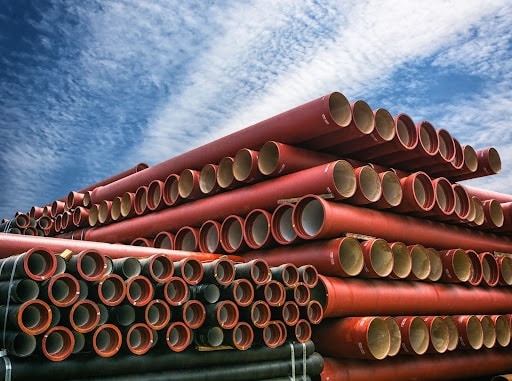
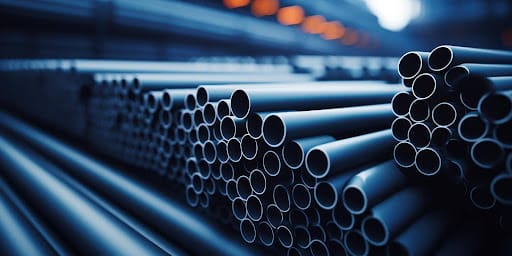
Welded pipes are crucial in various industries, including construction, oil and gas, water transportation, and manufacturing. These pipes are made by shaping and fusing metal sheets or strips, providing a practical and budget-friendly alternative to seamless pipes. Their versatility, availability in different sizes, and suitability for high-pressure applications make them popular. Understanding the manufacturing process of welded pipes is essential to appreciate their reliability, strength, and efficiency. This guide explores the step-by-step process, from raw material selection to final inspection and packaging, ensuring high-quality pipes reach the end user.

Raw Material Selection and Preparation

The foundation of high-quality welded pipes starts with selecting the right raw materials. Manufacturers choose carbon, stainless, or alloy steel based on the intended application and performance requirements.
Steel coils or sheets undergo a rigorous inspection to detect defects such as cracks, impurities, or inconsistencies in composition.
The material is thoroughly cleaned and treated to remove oxidation, rust, and surface contaminants, ensuring improved durability.
Precision cutting techniques are applied to achieve uniform width, contributing to consistent pipe dimensions and optimal weld integrity.

Forming the Pipe Shape

Once the raw material is prepared, it undergoes shaping to form the desired pipe structure. Metal sheets or strips are progressively shaped into a cylinder with the help of precision rollers or modern forming mills. This controlled process ensures:
Proper alignment of edges for seamless and strong welding.
Minimal material wastage, improving cost efficiency and sustainability.
Consistent wall thickness for enhanced durability, strength, and pressure resistance.
A smooth and uniform surface finish reduces the need for additional processing.

Welding Techniques Used in Manufacturing

Different welding techniques are used to join the edges of welded pipes, depending on their application, size, and material. The primary welding methods include:

Electric Resistance Welding (ERW)

This technique passes high-frequency electric current through the metal edges, generating heat to fuse them. ERW is commonly used for:
Producing pipes with a uniform thickness.
Manufacturing medium- and high-pressure pipes for oil, gas, and water applications.
Ensuring smooth, defect-free welds with minimal additional material.

Submerged Arc Welding (SAW)

SAW uses a continuous arc beneath a flux blanket to create deep and strong welds. It is ideal for large-diameter pipes used in:
Structural applications.
Offshore and onshore pipeline systems.
Heavy-duty industrial uses require high strength.

High-Frequency Welding (HFW)

HFW is a variation of ERW, using a high-frequency current to generate localized heat. This process offers:
Precision in welding thin-walled pipes.
High-speed production with minimal distortion.
Cost-effective manufacturing for mass production.

Heat Treatment and Stress Relief Techniques

After welding, welded pipes undergo a precise heat treatment process to relieve internal stresses caused by welding and forming. This controlled heating and cooling process enhances the following:
Mechanical strength, improving load-bearing capacity and performance.
Resistance to cracking, deformation, and structural weaknesses over time.
Overall durability, ensuring pipes meet strict industrial standards and operational demands.
Corrosion resistance and metallurgical stability extend the lifespan of the pipes in various applications.

Surface Finishing and Coating

Pipes undergo protective coatings and surface treatments to improve performance, longevity, and resistance to harsh environments. These processes enhance durability and ensure suitability for various applications.
Galvanization: This adds a protective zinc layer to prevent corrosion, especially in outdoor or moisture-prone environments.
Epoxy Coating: Forms a strong barrier against environmental exposure, chemicals, and abrasion, extending the pipe’s lifespan.
Pickling and Passivation: Removes surface impurities, rust, and scale while enhancing corrosion resistance and maintaining material integrity.
Polyethylene or Bitumen Coating: Provides extra protection for underground or submerged pipelines, reducing wear and external damage.

Quality Control and Testing Procedures

Quality assurance is vital in welded pipe manufacturing, guaranteeing durability, safety, and adherence to international standards. Multiple rigorous tests are conducted to verify reliability and performance:
Non-Destructive Testing (NDT): NDT utilizes ultrasonic, radiographic, or eddy current testing to detect internal defects, cracks, or inconsistencies without damaging the pipe.
Hydrostatic Testing: Fills pipes with pressurized water to check for leaks, structural weaknesses, and pressure-handling capabilities, ensuring operational safety.
Dimensional Inspection: Confirms precise diameter, wall thickness, and length, guaranteeing uniformity and adherence to project specifications.
Visual and Surface Inspection: Identifies surface imperfections, welding flaws, and coating defects to maintain aesthetic and functional quality.
Mechanical Testing: Evaluates tensile strength, hardness, and impact resistance to verify the pipe’s ability to withstand stress and environmental conditions.

Final Inspection and Packaging

Welded pipes undergo a thorough final inspection before dispatch to guarantee they meet the highest quality and industry requirements. A reputable welded pipe supplier conducts thorough evaluations to verify the following:
The surface finish and weld integrity ensure smooth surfaces and defect-free welds for optimal performance.
Dimensional accuracy and thickness consistency, confirming compliance with specifications for safe and efficient application.
Proper marking for identification, including batch numbers, material grades, and manufacturing details for easy traceability.
Secure packaging to prevent damage, using protective wraps, end caps, and bundling to maintain quality during storage and transportation.

Applications of Welded Pipes in Various Industries

Welded pipes play a crucial role across diverse industries, offering strength, reliability, and versatility for numerous applications. They are indispensable for:
Oil and Gas: Used in pipelines, they ensure the smooth and secure transportation of crude oil, natural gas, and refined petroleum products.
Construction: Essential for structural frameworks, water distribution systems, scaffolding, and underground drainage networks, providing durability and stability.
Automotive Industry: Integral in exhaust systems, chassis components, fuel lines, and hydraulic systems, enhancing vehicle performance and longevity.
Mechanical Engineering: Widely used in heat exchangers, boilers, pressure vessels, and hydraulic piping systems, ensuring high-temperature and high-pressure resistance.
Agriculture and Irrigation: Supports irrigation networks, greenhouse structures, and water supply systems, contributing to efficient farming operations.

Conclusion

Manufacturing welded pipes involves multiple meticulous steps, from raw material selection to final inspection. Various welding techniques, heat treatment, and rigorous quality checks ensure durability and strength. Whether used in oil pipelines, construction, or industrial applications, these pipes offer an efficient and cost-effective solution. Choosing a reliable welded pipe supplier guarantees high-quality products tailored to industrial needs.

FAQs

What are the main types of welding techniques used in pipe manufacturing?

The key welding methods are Electric Resistance Welding (ERW), Submerged Arc Welding (SAW), and High-Frequency Welding (HFW). Each technique varies in application, pipe size, and production efficiency, ensuring suitability for different industries.

How does Electric Resistance Welding (ERW) work?

ERW applies a high-frequency electric current to the pipe edges, generating heat that fuses them. This technique ensures smooth, uniform welds, making it ideal for oil, gas, and water pipelines requiring high strength and consistency.

What is Submerged Arc Welding (SAW), and where is it used?

SAW creates deep, strong welds under a protective flux layer, minimizing contamination. It is used for large-diameter pipes in offshore and onshore pipeline systems, heavy-duty industrial applications, and structural projects needing high-strength materials.

Why is heat treatment necessary in welded pipe manufacturing?

Heat treatment removes residual stress from welding, improves mechanical properties, and enhances crack resistance. It ensures the pipes can withstand extreme conditions and meet safety standards for various industrial applications.

What quality control tests are conducted on welded pipes?

Quality tests include non-destructive testing (NDT) to detect internal defects, hydrostatic testing to check for leaks, and dimensional inspections to ensure accurate pipe specifications, reliability, and compliance with industrial standards.

Top Benefits of Buying Seamless Pipes from Trusted Suppliers

seamless pipe suppliers in the UAE

Top Benefits of Buying Seamless Pipes from Trusted Suppliers

Seamless pipes are crucial components in industries that demand high strength, durability, and efficiency. Made without welded joints, they offer better resistance to pressure and corrosion, making them ideal for various applications. Whether used in oil and gas, construction, or manufacturing, seamless pipes provide a seamless flow of materials, reducing the chances of leakage and structural weaknesses.
Choosing the right seamless pipe suppliers in the UAE ensures you get high-quality products that meet industry standards. Reliable suppliers provide certified and tested pipes, ensuring longevity and performance. Buying seamless pipes from reliable sources improves efficiency and helps save on maintenance costs over time. Here’s why purchasing from reputed suppliers makes a significant difference.

Top Benefits of Buying Seamless Pipes from Trusted Suppliers

1. Superior Quality and Durability

Trusted seamless pipes suppliers prioritize quality by sourcing materials from reputable manufacturers and adhering to international standards. The selection of high-quality raw materials guarantees that seamless pipes can withstand high pressure, extreme temperatures, harsh conditions, and corrosive environments for long-lasting performance and reliability. Their enhanced durability and strength make them preferred for petrochemicals, shipbuilding, power plants, refineries, chemical processing facilities, and oil and gas sectors.

2. Compliance with Industry Standards

Reliable seamless pipe suppliers in the UAE provide products that comply with strict industry regulations such as API, ASTM, and DIN standards. These standards ensure the pipes meet mechanical properties, chemical composition, and performance requirements. Compliance guarantees safety, efficiency, and reliability in industrial applications, ensuring long-lasting and high-performing infrastructure.

3. Wide Range of Options

Established suppliers offer a variety of seamless pipes in different sizes, grades, and materials, including carbon steel, stainless steel, and alloy steel. Whether you need pipes for high-pressure applications or corrosion-resistant environments, a trusted supplier can help you find the right fit. Additionally, they provide options for specialized coatings, finishes, and custom dimensions.

4. Enhanced Strength and Leak Resistance

Unlike welded pipes, seamless pipes do not have a weak point at the weld joint, significantly enhancing their overall strength and reducing the risk of leaks and structural failures. This robust design provides superior pressure resistance, durability, and long-term reliability, making them ideal for safely transporting fluids and gases under high pressure in demanding environments. Choosing reputable seamless tube suppliers ensures you receive defect-free pipes that perform optimally and last longer.

5. Cost-Effectiveness in the Long Run

While seamless pipes may have a higher initial cost than welded ones, their long-term benefits outweigh the investment. Their exceptional durability, superior corrosion resistance, and minimal maintenance requirements translate to significantly reduced operational costs and enhanced performance over time. Choosing certified, high-quality seamless pipes from suppliers means getting long-lasting pipes and minimizing disruptions, maintenance, and costly replacements.

6. Reliable Supply Chain and Timely Delivery

Reputable seamless pipe suppliers in the UAE have strong supply chain networks, ensuring the availability of products even in bulk quantities. They maintain well-stocked inventories and deliver timely, helping industries avoid project delays. Choosing an established supplier ensures a smooth procurement process, uninterrupted workflow, and on-time fulfillment of urgent requirements.

7. Expert Guidance and Technical Support

Trusted suppliers provide expert advice on selecting the right seamless pipes based on application requirements. Whether for offshore drilling, construction, or industrial piping, they offer technical support to ensure you choose the most suitable product. This guidance helps optimize performance, cost efficiency, compliance, and operational effectiveness.

8. Customization and Special Requirements

Many industries require seamless pipes with precise dimensions, specialized coatings, or specific material grades. Trusted seamless tube suppliers provide extensive customization options, ensuring you receive pipes tailored to your project requirements. This flexibility allows businesses to streamline operations, enhance efficiency, achieve superior results, and provide seamless integration with existing infrastructure and technical specifications.

9. Assured Quality Testing and Certifications

Before reaching customers, seamless pipes from reputed suppliers undergo rigorous quality testing, including hydrostatic testing, ultrasonic inspection, and dimensional analysis. These tests ensure the pipes meet performance standards. Certifications from authorities like ISO further validate the reliability of the products, ensuring compliance with safety, performance, and regulatory guidelines.

10. Sustainable and Eco-Friendly Solutions

Leading seamless pipes suppliers focus on sustainability by providing pipes made from recyclable materials. Seamless pipes have a longer lifespan and require fewer replacements, reducing environmental impact. By sourcing from reputable suppliers, industries support sustainable practices, minimize their carbon footprint, and promote eco-friendly industrial solutions for a greener future.

Choosing seamless pipes from a trusted supplier ensures superior quality, compliance with standards, and long-term cost efficiency. Whether you need them for industrial, structural, or high-pressure applications, investing in premium products from reliable seamless pipe suppliers guarantees optimal performance and safety.

FAQs

What are seamless pipes, and how are they different from welded pipes?

Seamless pipes are made without welds or seams, providing greater strength and reliability than welded pipes. They are produced by extruding a solid steel billet into a hollow tube, ensuring uniform strength. Conversely, welded pipes have a seam that can be a weak point under high pressure.

Why should I buy seamless pipes from a trusted supplier?

Purchasing from reliable seamless pipe suppliers in the UAE ensures quality assurance, compliance with industry standards, and durability. Trusted suppliers provide tested and certified products, minimizing the risk of defects and performance issues.

What industries commonly use seamless pipes?

Seamless pipes are extensively used in industries such as oil and gas, petrochemicals, power plants, automotive, aerospace, and construction. Their high strength, corrosion resistance, and leak-proof properties make them indispensable in critical applications.

Flanges vs. Welded Joints: Which One is Better for Your Project?

Flanges for the oil and gas

Flanges vs. Welded Joints: Which One is Better for Your Project?

Choosing the right pipe connection method is crucial for industrial fluid and gas transportation applications. The two most commonly used options are flanges and welded joints, each offering distinct advantages. The choice depends on key factors such as cost, performance, maintenance, and durability. Flanges for the oil and gas industry are widely preferred due to their ease of disassembly, making repairs and modifications more efficient.
On the other hand, welded joints provide a stronger, more permanent bond, ensuring long-term reliability in high-pressure environments. Whether you work in construction, manufacturing, or the oil and gas sector, understanding the advantages and disadvantages of each method will help you choose the best option for your specific needs.

Understanding Flanges: Features and Applications

Flanges are widely used in industries requiring flexible pipelines, valves, and equipment connections. These mechanical connectors facilitate easy assembly and disassembly, making maintenance and inspections more convenient.

Key Features of Flanges:

Manufactured from high-quality carbon steel, stainless steel, and alloy steel.
Allow for quick disassembly and replacement of pipeline sections.
Gaskets and bolts are required to create a secure, leak-proof connection.

Common Applications:

Widely used in the oil and gas industry, flanges ensure strong and leak-proof connections in refineries and gas processing facilities.
Chemical plants and water treatment facilities require frequent inspections.
Power plants where maintenance accessibility is essential.
Many flanges suppliers provide different types, including slip-on, blind, weld neck, and socket weld flanges, ensuring compatibility with various project requirements.

Welded Joints: Characteristics and Benefits

Welded joints permanently join pipes by fusing metal surfaces using TIG, MIG, and arc welding techniques.

Advantages of Welded Joints:

Provide a strong, seamless connection, reducing the risk of leaks.
Withstand extreme pressure and temperature conditions.
Eliminate the need for additional components like gaskets and bolts, reducing material costs.

Industries That Prefer Welded Joints:

High-pressure steam and gas pipelines.
Subsea pipelines where leak prevention is critical.
Structural and industrial piping systems require permanent installations.

Although flanges allow for flexibility, welded joints offer superior long-term durability and structural integrity, making them ideal for high-performance applications.

Key Differences Between Flanges and Welded Joints

Flanges and welded joints are integral components of piping systems, differing in function, advantages, and limitations. Here are the key differences between them:

Specification

Flanges: Mechanical connections that join two pipes, valves, or equipment, using bolted rings and gaskets to seal.
Welded Joints: A permanent connection formed by fusing two metal pieces using heat, often reinforced with filler material.

Strength & Durability

Flanges: Provide a strong connection but are more prone to leaks over time due to gasket wear and bolt loosening.
Welded Joints: Offer higher strength and durability as they create a seamless, leak-proof connection.

Leakage Potential

Flanges: More susceptible to leaks, especially under high pressure or vibration.
Welded Joints: Less prone to leakage since they form a continuous metal connection.

Installation & Maintenance

Flanges: Easier to install, disassemble, and replace, making them suitable for systems requiring frequent maintenance.
Welded Joints: Require skilled labor and specialized equipment for installation; maintenance is difficult as cutting and re-welding are needed for modifications.

Flexibility & Customization

Flanges: Allow for easy pipeline modifications, expansions, or dismantling.
Welded Joints: Offer less flexibility; any modification requires cutting and re-welding.

Cost Consideration

Flanges: Higher initial cost due to the need for gaskets and bolts but lower labor costs for installation.
Welded Joints: Lower material costs but higher labor costs due to skilled welding requirements.

Application Suitability

Flanges: Used in systems requiring frequent inspection, cleaning, or modifications, such as in the chemical and oil industries.
Welded Joints: Preferred in high-pressure and high-temperature applications, such as power plants and aerospace industries.

Factors to Consider When Choosing Between Flanges and Welded Joints

Selecting the most suitable connection method depends on various factors, including maintenance needs, cost implications, and operational requirements.

Project Requirements

If the system requires periodic maintenance, flanges provide flexibility for disassembly and replacements. Welded joints are the preferred choice for permanent, high-strength installations.

Cost Considerations

Flanges have higher upfront material costs due to gaskets and bolts, whereas welded joints require skilled labor and specialized equipment, impacting overall project expenses.

Maintenance and Repairs

Flanges simplify repairs by allowing components to be replaced without cutting or modifying the pipeline, reducing downtime and maintenance costs.

Operating Conditions

Welded joints are ideal for high-pressure and high-temperature environments, as their seamless construction enhances durability, strength, and leak resistance.

Downtime and Installation

Flanges offer quicker installation with minimal disruption, while welding requires more time, technical expertise, and safety precautions during assembly.

Cost Comparison: Flanges vs. Welded Joints

Cost is crucial in determining the most suitable connection method, balancing initial investment with long-term maintenance expenses.

Flanges

Incur higher upfront material costs due to the need for gaskets, bolts, and sealing components but have lower labor expenses for installation. They are also more cost-effective in the long run for maintenance and repairs, as they allow for quick disassembly and part replacements.

Welded Joints

Feature lower material costs since they do not require additional sealing components. However, they demand higher labor expenses due to the need for skilled welding professionals and specialized equipment.

Long-Term Costs

While welded joints provide a more durable, long-lasting solution, repairs and modifications can be labor-intensive and costly. In contrast, flanges offer cost savings by enabling faster, more convenient part replacements and system modifications with minimal downtime.

Performance and Durability Considerations

Flanges

More vulnerable to gasket wear and potential leaks over time but provide excellent flexibility for modifications, maintenance, and future expansions, making them ideal for systems requiring frequent adjustments or upgrades.

Welded Joints

Offer exceptional durability and long-term reliability, even in extreme conditions. However, repairing structural defects is complex and requires significant downtime, skilled labor, and specialized equipment to ensure proper restoration and safety.

Maintenance and Repair Requirements

Flanges

Facilitate quick disassembly and easy pipeline section replacement, reducing operational downtime while streamlining routine maintenance, emergency repairs, or system expansions, making them highly suitable for dynamic industrial environments.

Welded Joints

More difficult to repair due to the need for precise cutting, grinding, and re-welding, which increases labor costs, repair time, technical expertise, and the overall complexity of maintaining a secure and efficient pipeline system.

Common Applications for Each Type of Connection

Flanges are commonly used in:

Oil & Gas Pipelines: Flanges in the oil and gas industry require regular maintenance, inspections, and component replacements for safety and efficiency.
Water Treatment & Chemical Processing: Provide system flexibility and easy disassembly for maintenance and upgrades.
Industrial Machinery Connections: Facilitate frequent part replacements, servicing, and modifications in industrial equipment.

Welded joints are commonly used in:

High-Pressure Pipelines: Essential for leak-proof, seamless connections that ensure safety and efficiency.
Structural Applications: Used in bridges, pressure vessels, and heavy-duty frameworks requiring strong, permanent bonds.
Subsea Oil & Gas Pipelines: Designed for extreme underwater conditions, offering superior durability, corrosion resistance, and long-term reliability.

Conclusion

Flanges and welded joints serve distinct roles based on project requirements. Flanges for the oil and gas industry offer flexibility and easy maintenance, making them ideal for applications requiring frequent modifications. In contrast, welded joints provide superior strength and leak prevention, making them the preferred choice for high-pressure, high-temperature environments. The two decisions depend on cost, maintenance needs, and operational demands. Consulting reliable flanges suppliers can help industries select the best project components.

FAQs

What is the main difference between flanges and welded joints?

Flanges connect pipes using bolts and gaskets, allowing for easy disassembly and repairs. Welded joints permanently fuse pipes, offering a stronger, leak-free connection but requiring more effort to modify or repair.

Which option provides better leak prevention: flanges or welded joints?

Welded joints provide superior leak prevention, creating a seamless, gap-free connection. In contrast, flanges rely on gaskets that can degrade over time, increasing leakage risks. Choosing reliable flanges suppliers ensures better gasket quality and long-term performance.

Are flanges or welded joints more cost-effective in the long run?

Flanges are more cost-effective for frequent maintenance projects since they allow quick repairs. Welded joints, while more durable, can be expensive to modify or repair, making them less economical for systems requiring future adjustments.

How to Maintain and Extend the Lifespan of Ball Valves

floating ball valve suppliers

How to Maintain and Extend the Lifespan of Ball Valves

Ball valves are crucial in various industries, offering efficient and reliable flow control. Their simple yet effective design, featuring a rotating ball with a bore, makes them highly durable and easy to operate. These valves manage the movement of liquids and gases with minimal pressure drop, making them valuable for industries like chemical processing, water treatment, and oil and gas. Despite their robust nature, ball valves require regular maintenance to function optimally and last longer. Material quality, installation methods, and environmental conditions greatly influence their lifespan. Partnering with floating ball valve suppliers ensures access to high-quality components, reducing operational costs and preventing unexpected failures.

Factors Affecting the Lifespan of Ball Valves

Ball valves are robust and versatile, but several factors can influence their longevity. Here’s a detailed look at the primary factors affecting the lifespan of ball valves:

1. Material Quality and Construction

Material Selection: Selecting the right materials is important for ball valve durability. High-quality options like stainless steel or specialized alloys provide superior resistance to corrosion and wear. Partnering with trusted floating ball valve suppliers ensures durable, high-performance valves.
Manufacturing Standards: Precision in manufacturing and adherence to quality control standards help ensure that components fit well and work reliably over time.

2. Operating Conditions

Pressure and Temperature: Ball valves are designed for specific pressure and temperature ranges. Operating them outside of these limits can accelerate wear or lead to failure.
Flow Conditions: Sudden pressure spikes or water hammer effects can impact the valve’s mechanical integrity, reducing its service life.

3. Maintenance Practices

Regular Inspection: Periodic checks help detect wear, corrosion, or damage early. Proactive maintenance, such as cleaning and lubricating moving parts, can extend the valve’s life.
Seal and Seat Replacement: The seats and seals may wear out over time due to friction and chemical attacks. Timely replacement is important to maintain a proper seal and prevent leakage.

4. Environmental Factors

Corrosive Media: Exposure to corrosive substances (chemicals, saltwater, etc.) can deteriorate metal and non-metal components, leading to premature failure.
Contaminants and Particulates: Debris or particulates in the fluid can scratch the ball or seats, causing erosion and compromising the valve’s sealing capabilities.

5. Installation and Operational Practices

Proper Installation: Incorrect installation can introduce stresses or misalignment, leading to uneven wear or mechanical failure.
Frequency of Use: Ball valves cycled frequently (opened and closed) will experience more wear on their moving parts than those used in less dynamic applications.
Operational Speed: Rapid or forceful actuation can create additional mechanical stress. Smooth, controlled operation tends to prolong valve life.

6. Design Considerations

Type of Ball Valve: Floating ball valves, which rely on a spring-loaded seat for sealing, may experience different wear patterns than trunnion-mounted ball valves, where the ball is mechanically anchored.
Seal Design: Advances in sealing technology (such as resilient seat materials) can mitigate wear and extend operational life, particularly in applications with frequent cycling or harsh conditions.

Routine Maintenance Tips for Ball Valves

A consistent maintenance routine can greatly extend the lifespan and efficiency of ball valves. Here are some essential tips:
Inspect for Leaks: Regularly monitor the valve body and connections for leaks; even tiny leaks can lead to serious complications over time.
Keep the Valve Clean: Remove dirt, debris, and buildup to prevent blockages and ensure smooth operation.
Lubricate Moving Parts: Use the appropriate lubricant to reduce friction, minimize wear, and maintain seamless functionality.
Check Seal Integrity: Damaged or worn-out seals can cause leaks and inefficiencies. Inspect them frequently and replace them when needed.
Operate the Valve Regularly: Periodic use prevents the valve from seizing due to prolonged inactivity, ensuring it remains functional when needed.

Best Practices to Extend Ball Valve Lifespan

Implementing the right strategies can significantly enhance the durability and efficiency of ball valves:
Choose the Right Valve for the Job: Ensure the selected valve matches the required pressure, temperature, and media to prevent premature wear and operational failures.
Source from Reliable Suppliers: Partner with trusted high-pressure ball valve suppliers to obtain high-quality, durable valves that meet industry standards and performance requirements.
Store Valves Properly: Store spare valves in a clean, dry, and temperature-controlled environment to prevent rust, corrosion, and material degradation over time.
Monitor System Pressure and Temperature: Regularly check operating conditions to ensure valves are not exposed to excessive pressure or extreme temperatures that could lead to damage.
Replace Worn-Out Parts Promptly: Inspect valves for signs of wear, leaks, or damage, and replace faulty components immediately to avoid costly breakdowns and system failures.

Common Issues and Troubleshooting Tips

Even well-maintained ball valves can encounter problems. Here are some common issues and their solutions:
Leakage around the Valve: Loose fittings, worn-out seals, or corrosion can cause leaks. Tighten connections, replace damaged seals, and inspect for corrosion to ensure a secure and leak-free seal.
Difficulty in Operation: If the valve is stiff or hard to turn, it may be due to a lack of lubrication or internal debris buildup. Apply the appropriate lubricant and clean the internal components to restore smooth operation.
Corrosion and Rust Formation: Exposure to moisture and harsh chemicals can lead to corrosion. Sourcing high-quality materials from stainless steel ball valve suppliers and applying protective coatings can help prevent rust and extend valve life.
Pressure Drops: A clogged or partially damaged valve can cause fluctuations in pressure, affecting system efficiency. Regular upkeep, including cleaning and timely part replacement, helps sustain consistent pressure and system reliability.
Unusual Noises or Vibrations: Whistling sounds, vibrations, or rattling may indicate trapped air, incorrect installation, or pressure inconsistencies. Bleeding excess air, securing loose connections, and adjusting installation alignment can resolve these issues.

The Role of High-Quality Suppliers in Valve Longevity

Sourcing ball valves from a trusted supplier is crucial for ensuring durability and efficiency. A reliable ball valve supplier offers:
Precision-Engineered Valves: The valves are manufactured with advanced technology and strict quality control to meet industry standards, ensuring reliability in demanding environments and operating conditions.
Premium Materials: This type uses corrosion-resistant materials such as stainless steel, high-grade alloys, and specialized coatings to enhance durability and prevent rust or degradation over time.
Customization Options: Customized solutions are provided for industrial requirements, including high-pressure, high-temperature, or chemically aggressive applications.
Technical Support: Assisting with proper installation, routine maintenance, and troubleshooting to help optimize valve performance and extend service life.
Partnering with reputable floating ball valve suppliers reduces the risk of premature failures, improves system efficiency, and ensures long-term cost savings.

Ensuring Long-Term Performance of Ball Valves

Maintaining and extending the lifespan of ball valves requires a combination of high-quality products, proper installation, and regular upkeep. Understanding the factors affecting durability and following best practices can prevent costly failures and downtime. By sourcing from reliable high-pressure ball valve suppliers, industries can ensure long-term performance and efficiency.
Routine inspections, cleaning, lubrication, and timely replacements are crucial in keeping ball valves in optimal condition. Investing in superior-grade valves from reputable stainless steel ball valve suppliers provides a long-term, cost-effective solution for various industrial applications.

FAQs

What are the key steps to maintain a ball valve?
Regular Inspections: Check for leaks, corrosion, or wear to catch issues early.
Keep It Clean: Remove dirt, debris, or buildup that could affect performance.
Lubricate Moving Parts: Apply the recommended lubricant to ensure smooth operation and prevent sticking.
Operate Periodically: Occasionally, open and close the valve to prevent seizing, especially in infrequent-use applications.
Store Properly: Keep in a dry, clean environment to protect against rust and contamination.

How often should ball valves be inspected for maintenance?
Ball valves should be inspected every few months, depending on usage and operating conditions. High-pressure or high-temperature applications require frequent checks to detect wear, leaks, or damage early, ensuring reliable performance, preventing failures, and extending the valve’s lifespan.

What are the common causes of ball valve failure?
1.Corrosion and rust due to harsh chemical exposure.
2.Wear and tear from high-pressure applications.
3.Seal degradation leads to leaks.
4.Improper installation causes misalignment and stress.

How can I prevent corrosion in ball valves?
To prevent corrosion in ball valves, choose corrosion-resistant materials like stainless steel and apply protective coatings for added durability. Sourcing from reputable floating ball valve suppliers ensures high-quality valves that withstand harsh conditions, reducing the risk of corrosion and extending their lifespan.

Understanding the Manufacturing Process of Welded Pipes

Pipe flange suppliers

Understanding the Manufacturing Process of Welded Pipes

Welded pipes are essential for construction, oil and gas, water distribution, and manufacturing. These pipes are created by rolling steel plates or strips into cylindrical shapes and welding the edges together. The welding process ensures durability and strength, making welded pipes a cost-effective solution for various applications. Unlike seamless pipes, welded pipes are more readily available in larger sizes and lengths. They also provide a reliable and efficient means of transporting fluids and gases. Pipe flange suppliers recommend welded pipes for applications that demand high performance and structural integrity while remaining affordable.

Types of Welded Pipes

There are several types of welded pipes, each suited for different industrial applications:
Electric Resistance Welded (ERW) Pipes: These pipes are manufactured using high-frequency electric resistance welding and are commonly used in water pipelines, scaffolding, and structural applications.
Longitudinal Submerged Arc Welded (LSAW) Pipes: LSAW pipes, manufactured through submerged arc welding, are ideal for high-pressure applications and structural purposes due to their superior strength and durability.
Spiral Submerged Arc Welded (SSAW) Pipes: SSAW pipes are created by continuously welding a coiled steel plate into a spiral shape. They are widely used for transporting water, oil, and gas.
High-Frequency Induction (HFI) Welded Pipes: Designed for applications requiring precise dimensional accuracy, high strength, and excellent weld integrity.

Raw Materials Used in Welded Pipe Manufacturing

The materials used greatly impact welded pipes’ quality, durability, and performance. Common materials include:
Carbon Steel: Highly preferred for its robust strength, budget-friendly nature, and reliability in demanding industrial applications.
Stainless Steel: Widely used for its strong resistance to rust, extended service life, and effectiveness in harsh and hygienic environments.
Alloy Steel: Offers superior mechanical properties, enhanced strength, and high-temperature resistance, making it ideal for demanding applications.
Aluminum and Copper Alloys: Preferred for their lightweight nature, excellent corrosion resistance, and suitability for industries requiring efficient heat conduction.

Step-by-Step Manufacturing Process

The manufacturing of welding pipes follows a systematic process to ensure consistency and strength. The key steps involved are:
Raw Material Selection: High-quality steel plates or coils are selected based on the required pipe specifications.
Slitting and Edge Preparation: The steel is cut into the required width, and the edges are prepared for welding.
Forming the Pipe Shape: Rollers gradually shape the steel strip into a cylindrical form.
Welding Process: The edges are joined using electric resistance welding (ERW), submerged arc welding (SAW), or high-frequency induction welding.
Heat Treatment: The welded area undergoes heat treatment to relieve stresses and enhance strength.
Sizing and Shaping: The pipe is passed through sizing rollers to ensure uniform diameter and thickness.
Non-Destructive Testing (NDT): Various tests, such as ultrasonic and radiographic inspections, check for defects in the weld.
Cutting and Beveling: Pipes are cut to the required lengths and beveled at their ends for easy assembly.
Surface Treatment: The pipes are coated or galvanized to enhance corrosion resistance.
Final Inspection and Packaging: Each pipe is inspected for quality assurance before being packed for delivery.

Quality Control and Testing Procedures

To ensure the reliability and durability of welded pipes, strict quality control and testing procedures are essential. Key methods include:
Hydrostatic Testing: Evaluate the pipe’s pressure-bearing capacity to prevent leaks and failures.
Ultrasonic Testing (UT): Detects internal and external defects using high-frequency sound waves for precision.
Radiographic Testing (RT): Uses X-rays to inspect weld integrity and identify hidden flaws.
Magnetic Particle Inspection (MPI): Reveals surface defects by analyzing magnetic field disruptions.
Dimensional Inspection: Ensures the pipe meets required specifications and tolerances for accuracy.

Partnering with JSS pipe flange suppliers ensures top-quality components that optimize performance, enhance safety, and meet rigorous industry standards.

Advantages of Welded Pipes Over Seamless Pipes

Welded pipes offer several benefits compared to seamless pipes:
Cost-Effective: Manufacturing welded pipes are more economical due to lower production costs.
Availability in Larger Sizes: Seamless pipes have size limitations, whereas welded pipes can be produced in large diameters and lengths.
Consistent Wall Thickness: Welded pipes maintain uniform thickness throughout, ensuring better strength distribution.
Customization Flexibility: Based on application needs, they can be manufactured with specific coatings, linings, and end finishes.
Faster Production: The automated welding process allows for quicker production timelines.

Common Applications of Welded Pipes in Different Industries

Welded pipes are widely used across industries for their strength, durability, and cost-effectiveness. Some common applications include:
Oil and Gas Industry: Ensures the safe and steady flow of crude oil, natural gas, and petroleum products over extended distances with minimal energy use.
Construction and Infrastructure: Used in building structures, bridge construction, water supply systems, and underground pipelines to ensure durability, strength, and long-term reliability in various projects.
Automotive and Aerospace: Integral to exhaust systems, fuel lines, and structural components, ensuring performance and safety.
Water Treatment and Plumbing: Vital for water distribution networks, drainage systems, and sewage pipelines, ensuring reliable flow and sanitation.
Chemical and Power Plants: Used to transport hazardous fluids, steam, and chemicals in high-pressure and high-temperature environments for safe operations.

Consulting JSS pipes and fittings suppliers in the UAE ensures the right components for high-quality materials for specific industry needs.

Conclusion

Understanding the welded pipe manufacturing process helps industries make informed decisions when selecting materials and suppliers. Each step ensures compliance with industry standards, from raw material selection to strict quality control. JSS pipes and fittings suppliers in the UAE provide essential components that enhance durability and efficiency, making welded pipes a vital part of industrial infrastructure worldwide.

FAQs

What Are the Most Common Types of Pipe Flanges?
Pipe flanges help connect pipes and fittings securely. Common types include:

Weld Neck Flanges: Provide strong, leak-proof connections.
Slip-On Flanges: Simple to install and ideal for low-pressure systems, ensuring a secure and reliable connection.
Blind Flanges: These block a pipe’s end to stop flow, maintain pressure, or enable system adjustments.
Socket Weld Flanges: Ideal for high-pressure, small-diameter pipes.
Threaded Flanges: Allow easy assembly without welding.

How Do I Choose the Right Flange Material?
Choosing the right flange material depends on several factors. Stainless steel flanges offer excellent corrosion resistance, while carbon steel flanges perform well under high pressure. For extreme conditions, alloy steel or nickel-based flanges are ideal. Consulting suppliers helps ensure compatibility with pipes and fittings.

How Do I Ensure Compatibility Between a Flange and My Piping System?
Match the pipe and flange material to prevent corrosion and maintain strength to ensure compatibility between a flange and your piping system. Choose the correct pressure rating, use suitable gaskets and bolts for a secure seal, and consult reliable pipe flange suppliers to select the best components for your industry needs.

What Are the Advantages of Stainless Steel Flanges Over Carbon Steel Flanges?
Stainless steel flanges provide distinct advantages, such as:

  • Superior Corrosion Resistance: Ideal for harsh and corrosive environments.
  • Extended Durability: Longer lifespan with minimal maintenance.
  • Aesthetic Appeal: Polished finish for a clean, professional look.
  • Wide Industrial Use: Widely used in food, pharmaceutical, and chemical industries.

Importance of High-Quality Pipes in the Oil & Gas Industry

pipe flange suppliers

The oil and gas industry keeps the globe running, providing the energy we rely on daily. At the core of this massive operation are pipes—simple yet essential components that make everything possible, from drilling deep underground to transporting oil and gas across continents. But not all pipes are built the same, and in such a demanding industry, quality isn’t just important—it’s critical. High-quality pipes keep operations safe, efficient, and reliable, while poor-quality ones can lead to costly, even dangerous, problems. In this blog, we’ll break down why quality matters and explore the types of pipes used, their key roles, and the risks of cutting corners. Plus, we’ll look at how to ensure you’re using the best pipes and what’s next for pipe technology in this ever-evolving industry.

Importance of High-Quality Pipes in the Oil and Gas Sector

The oil and gas industry exposes pipes to some of the harshest operating conditions imaginable. From handling intense pressure deep underground to resisting corrosion caused by harsh chemicals in offshore environments, they must perform without fail. High-quality pipes are built to handle these demands, helping prevent leaks, breakdowns, and costly disruptions. Beyond safety, they’re essential for staying compliant with strict industry regulations. A single pipe failure can cause environmental damage, financial setbacks, and even harm a company’s reputation. That’s why investing in quality materials isn’t just a smart decision—it’s a necessity.

Working with trusted pipe flange suppliers is just as important. Reliable suppliers ensure that components like flanges and fittings are certified and fit perfectly into the system, reducing the risk of delays and unexpected issues. These parts are key in keeping pipelines secure and functioning, especially under high pressure. When everything works together seamlessly, it keeps operations running smoothly, from drilling and extraction all the way to distribution. In such a demanding industry, choosing high-quality pipes and components isn’t just about avoiding problems—it’s about keeping the entire system strong and reliable.

Types of Pipes Used in the Industry

The oil and gas industry depends on various pipes, each designed for specific purposes and challenging environments. Here’s a closer look at the most commonly used types and why they matter:
Carbon Steel Pipes: These are widely used because they’re strong, durable, and cost-effective. They can handle high pressure and temperature, making them essential for many onshore and offshore operations.
Stainless Steel Pipes: When corrosion is a major concern—like in offshore environments or with exposure to harsh chemicals—stainless steel pipes are the top choice. Their superior rust resistance ensures long-lasting performance in tough conditions.
Alloy Pipes: These pipes are built for durability, combining different metals to create materials that can handle heavy loads and extreme environments. They’re perfect for high-demand applications where strength is critical.

Key Applications of Pipes in Oil and Gas

Pipes play an essential role at every stage of the oil and gas industry, serving several purposes depending on the operation. Here’s how they’re used throughout the process:
Upstream: Pipes are critical for drilling and casing, as well as for transporting crude oil or natural gas from deep reservoirs to the surface.
Midstream: They’re used to move oil and gas across long distances, often under high-pressure conditions, ensuring efficient and reliable transportation.
Downstream: Pipes are involved in refining, processing, and distributing oil and gas products to customers, helping to deliver the final product efficiently.
System Connectivity: Components like flanges and fittings from reliable pipe flange suppliers are essential for connecting systems smoothly. These parts help maintain consistent flow, minimize disruptions, and adapt to changes across the supply chain.

Benefits of Using High-Quality Pipes

High-quality pipes are essential in the oil and gas industry, offering more than just durability. Here’s why they make all the difference:
Safer Operations: When working in high-pressure, high-risk environments, reliable pipes are key to avoiding failures that could harm workers or the environment.
Cost-Effective in the Long Run: Quality pipes last longer and require less maintenance, saving you money on repairs and replacements over time.
Keeps Things Running Smoothly: Consistent flow rates and reduced energy use mean fewer hiccups in operations and more efficient processes overall.
Trusted Suppliers Matter: When you work with established pipes and fittings suppliers in the UAE, you’re getting materials tested to perform under tough conditions, giving you peace of mind.

Challenges Faced by Low-Quality Pipes in the Industry

Using low-quality pipes in the oil and gas industry can lead to a host of problems that no company wants to deal with. Here are some of the biggest challenges they bring:
Frequent Failures: Cheap pipes tend to break down more often, leading to unexpected disruptions and expensive repairs that slow everything down.
Corrosion Issues: In harsh environments or when exposed to chemicals, low-quality pipes are quick to corrode, which shortens their lifespan and drives up maintenance costs.
Leaks and Contamination: Poorly made pipes are more likely to leak, which can increase operational costs, harm the environment, and even cause legal trouble.
Fit and Compatibility Problems: Substandard pipes often don’t meet industry standards, making them harder to integrate with other components and creating inefficiencies.

How to Ensure the Quality of Pipes

Ensuring your pipes are high-quality is essential to keep operations safe and efficient. Here’s how you can do it:
Work with Trusted Suppliers: Reliable pipes and fittings suppliers in the UAE stick to strict international standards and provide certified products you can count on.
Test, Test, Test: Quality checks like hydrostatic testing, non-destructive testing, and chemical analysis are key to ensuring pipes are strong, durable, and ready for the job.
Store and Transport Carefully: Proper storage and handling during transport are important to prevent damage before the pipes even arrive on-site.
Inspect Regularly: Routine inspections and maintenance are vital to keeping your pipes in good shape and ensuring they last as long as they should.

Future Trends in Pipe Technology for Oil and Gas

The oil and gas industry is seeing rapid advancements, and pipe technology is no exception. Corrosion-resistant alloys and composite materials are becoming go-to solutions, offering longer lifespans and cutting maintenance costs. Smart pipes are also gaining traction, with embedded sensors that monitor flow rates, pressure, and corrosion in real-time, making it easier to identify and address issues before they escalate. Sustainability is another focus, with recycled and eco-friendly materials becoming more widely used. Leading pipe flange suppliers and manufacturers are already working to bring these innovations to operators, making the industry more efficient and future-ready.

High-quality pipes play a critical role in ensuring the safety and sustainability of operations in the oil and gas industry. Choosing the right materials and partnering with reliable pipes and fittings suppliers in the UAE isn’t just about meeting today’s demands—it’s about laying the foundation for a stronger, more resilient future. As technology evolves, innovations like smart monitoring systems, corrosion-resistant materials, and sustainable practices are set to redefine the way pipelines operate, creating opportunities for safer and more cost-effective solutions. Investing in quality today means staying ahead of the challenges and opportunities of tomorrow.

FAQ’s

What types of pipes are commonly used in the oil and gas industry?
You’ll typically see carbon steel, stainless steel, and alloy pipes used in this field. Each serves a specific purpose, depending on pressure and environmental conditions. By sourcing from trusted pipe flange suppliers, you can ensure you’re getting materials built to handle the job.

Why is it important to use high-quality pipes in oil and gas operations?
Using high-quality pipes isn’t just about performance—it’s about safety, reliability, and cost savings over time. Low-quality pipes can lead to leaks or failures, which are costly and risky. That’s why we always recommend working with reputable pipes and fittings suppliers in the UAE to ensure you’re investing in the best.

How do seamless pipes differ from welded pipes, and when should each be used?
Seamless pipes are stronger and great for high-pressure situations, while welded pipes are more budget-friendly and work well for less demanding conditions. It depends on the application, and sourcing from reliable pipe flange suppliers ensures you get the right fit for your needs.

Why Welded Pipes Are the Backbone of the Oil and Gas Industry

welded pipes

Why Welded Pipes Are the Backbone of the Oil and Gas Industry

Everyday operations in oil and gas rely on components that can handle tough conditions without fail. Among these, welded pipes take center stage, providing the strength and reliability needed for everything from transporting resources over vast distances to performing under high pressures in refineries. Their versatility, durability, and cost-effectiveness make them the backbone of pipelines and processing systems worldwide. Let’s take a closer look at what makes welded pipes such an integral part of the industry.

welded pipes

What Are Welded Pipes?

Welded pipes are made by shaping flat steel plates or strips into a tube and welding the edges together to form a strong, reliable seam. Unlike seamless pipes, which are made without any joints, welded pipes come in a wide range of sizes, materials, and specifications, making them a versatile choice for industries like oil and gas. They’re valued not only for their durability but also for being more affordable than other options. This combination of reliability and cost-effectiveness is why welded pipes have become a trusted solution for tough, high-pressure applications.


Key Advantages of Welded Pipes in the Oil and Gas Industry

Key Advantages of Welded Pipes in the Oil and Gas Industry

When it comes to materials for oil and gas operations, welded pipes offer several practical benefits that make them a reliable choice. Here’s why they’re widely used:

  • Affordable and Efficient to Produce: The process of welding flat steel plates into pipes is far more economical than creating seamless pipes. This makes welded pipes cost-effective, especially for large-scale projects where budgets matter.
  • Available in a Variety of Sizes: One of the biggest strengths of welded pipes is their flexibility. They’re available in several sizes and thicknesses, so it is easy to find the right fit for pipelines handling high-pressure or extreme temperatures.
  • Built for Strength and Durability: Thanks to advancements in welding techniques, these pipes are incredibly strong and designed to last—even in demanding environments. They’re made to keep up with the tough conditions of oil and gas operations.
  • Resistant to Corrosion and Wear: Welded pipes are built to handle corrosive environments and regular wear and tear. When sourced from a reliable welded pipe supplier, they’ll stand the test of time in pipelines and refineries.


Applications of Welded Pipes in the Oil and Gas Industry

Welded pipes play a vital role in the oil and gas industry, supporting various operations. Here’s how they’re commonly used:

  • Transportation of Resources: Whether it’s crude oil, refined products, or natural gas, welded pipes are the backbone of the pipelines that stretch across countries and continents. Their durability ensures resources flow smoothly and reliably to meet global demand.
  • Drilling Operations: In drilling, welded pipes are used as casing and tubing to stabilize boreholes and safely extract oil and gas from underground reserves. They’re built to handle the pressure and challenges of these operations.
  • Refinery Applications: Refineries rely on welded pipes to move fluids under high pressure and intense heat. Their ability to withstand these tough conditions makes them integral to refining systems.


The Role of Welded Pipes in Ensuring Safety and Efficiency

Safety and efficiency are non-negotiable in the oil and gas industry, and welded pipes play a vital role in achieving both. The welding process creates a strong, tight seam that minimizes the risk of leaks—a critical factor when dealing with hazardous substances like crude oil and natural gas.

To ensure reliability, many suppliers provide pipes that undergo strict quality testing. These include hydrostatic testing, X-ray inspections, and ultrasonic evaluations to confirm the pipes can handle the pressures and demands of their intended applications. Partnering with a dependable welded pipe supplier helps oil and gas companies mitigate risks and maintain safe operations.

On the efficiency front, welded pipes stand out. They’re often lighter than other piping options, making them easier to transport and install, reducing project timelines and labor costs. Additionally, their smooth interior surfaces minimize friction, ensuring better fluid flow and improved overall system performance. This combination of safety, reliability, and efficiency is why welded pipes are a cornerstone of oil and gas infrastructure.


Environmental Considerations

With growing concerns about sustainability, the oil and gas industry is under pressure to reduce its environmental impact, and welded pipes play a valuable role in these efforts. Their manufacturing process is less resource-intensive than other piping options, resulting in a smaller carbon footprint. This makes them a more environmentally conscious choice for large-scale projects.

Durability and corrosion resistance are other key advantages of welded pipes. Their long lifespan means fewer replacements are needed, which helps reduce material waste over time. A trusted welded pipe supplier also offers recyclable products, ensuring the pipes can be reused at the end of their lifecycle—a significant step toward aligning with sustainability goals.

Additionally, welded pipes help prevent leaks in advanced pipeline systems, which minimizes resource loss and reduces greenhouse gas emissions. Their reliability and efficiency in transporting resources safely make them a critical part of the industry’s move toward more sustainable practices. By choosing the right supplier, companies can prioritize performance while supporting environmental responsibility.

When you look closer at the oil and gas industry, it becomes clear that welded pipes are essential to holding it all together. From their cost-effectiveness and adaptability to their role in enhancing safety, efficiency, and sustainability, these pipes have proven their worth time and time again. Partnering with a dependable supplier ensures access to high-quality pipes that meet the demanding standards of this industry.

As the oil and gas sector changes, the importance of welded pipes will only grow. They’re not just pipes—they’re the foundation of a system that powers the world, ensuring energy flows safely and efficiently from source to destination.

FAQ’s

What makes welded pipes suitable for the oil and gas industry?

We often recommend welded pipes for the oil and gas industry because they offer a great mix of affordability, durability, and flexibility. They’re tough enough to handle high pressure and temperature while being available in a range of sizes and materials. As a trusted welded pipe supplier, we ensure our customers get exactly what their operations demand.

How do welded pipes compare to seamless pipes in oil and gas applications?

When comparing welded pipes to seamless ones, it comes down to application and budget. Seamless pipes are ideal for extreme conditions, but welded pipes are a solid, cost-effective alternative that performs exceptionally well in most oil and gas projects. With the right welded pipe supplier, you get both quality and value.

What are the most common types of welded pipes used?

For oil and gas work, we typically supply three main types of welded pipes: electric resistance welded (ERW), longitudinal submerged arc welded (LSAW), and spiral welded pipes. Each has its strengths, depending on the job. We’re always happy to help you decide what best fits your project.

Are welded pipes reliable for high-pressure applications?

Absolutely. When manufactured with the right processes and materials, welded pipes are built to handle high-pressure environments. We test every pipe to ensure it meets the standards for demanding oil and gas applications, so you can trust they’ll perform when it matters most.

What certifications should I look for when sourcing welded pipes?

When buying welded pipes, certifications like API 5L, ASTM, and ISO are key—they guarantee quality and safety. We provide full documentation for all our products, so you can feel confident that you’re sourcing from a reliable welded pipe supplier who prioritizes industry compliance and your peace of mind.

How to Maintain Seamless Pipes to Extend Their Lifespan

seamless pipe suppliers in the UAE

How to Maintain Seamless Pipes to Extend Their Lifespan

Seamless pipes are the backbone of many industries, from transporting fluids to providing structural support. They’re strong, reliable, and built to handle tough conditions—but even the best materials need a little care to stay in great shape. Without regular upkeep, seamless pipes can face issues that shorten their lifespan and hurt their performance. Whether you’re sourcing from seamless pipe suppliers in the UAE or managing pipes you already have, knowing how to maintain, store, and inspect them can save you a lot of headaches down the line. In this blog, we’ll talk about why maintenance is so important, common challenges seamless pipes face, and practical tips to keep them working like new. Let’s dive in!

seamless pipe suppliers in the UAE

Why Maintenance is Critical for Seamless Pipes

Seamless pipes are built to last, but the tough conditions they often face—like high pressure, temperature swings, and exposure to corrosive materials—make regular maintenance a must. Over time, these challenges can cause wear and tear, leading to leaks, clogs, or even full system failures if left unchecked. For businesses working with seamless pipe suppliers in the UAE, staying on top of maintenance is a smart way to protect your investment and keep things running smoothly. Simple steps like inspecting for cracks or rust, cleaning out buildup, and using protective coatings can make a big difference in extending the life of your pipes. Skipping these checks could mean costly repairs, unexpected downtime, and unnecessary headaches. With regular care, you can avoid these issues, keep your pipes in great shape, and save yourself a lot of trouble down the road.


Common Challenges Faced by Seamless Pipes

Seamless pipes are strong and reliable, but like anything, they can face challenges that impact their performance. They include:

  • Corrosion: Pipes that carry water, chemicals, or gas often deal with corrosion, which can weaken them over time if left unchecked.
  • Buildup and Blockages: Sediment or debris inside the pipes can reduce flow and efficiency, causing problems in systems that rely on smooth operations.
  • Thermal Fatigue: Constant temperature changes can put stress on the material, leading to cracks or other forms of wear.
  • Physical Damage: Pipes can get dented or bent during transport or installation, which might affect how well they work.

By understanding these challenges and staying proactive with regular maintenance, you can avoid bigger problems down the road. A good relationship with experienced seamless pipes suppliers in the UAE can also make a big difference in running your operations smoothly.


Routine Maintenance Practices for Seamless Pipes

Taking care of seamless pipes doesn’t have to be complicated, but staying consistent makes all the difference. Here are a few simple steps to keep your pipes in great shape:

  • Check for Wear: Regular inspections go a long way. Look for cracks, corrosion, or dents—they’re often the first signs of trouble.
  • Keep Them Clean: Pipes carrying fluids or gases can collect residue over time. Flushing them with cleaning agents or using tools like pipe pigs can help keep things running smoothly.
  • Protect Against Corrosion: If your pipes are exposed to harsh outdoor or marine environments, applying protective coatings or paint can prevent rust and extend their lifespan.
  • Stay Ahead with Maintenance: Don’t wait for issues to pop up. Pair your inspections with a regular maintenance schedule to tackle small problems before they become big ones. Many seamless pipes suppliers in the UAE recommend this approach to avoid unnecessary downtime.

Best Practices for Storing Seamless Pipes

Storing seamless pipes properly is just as important as maintaining them. The way you store them can make a big difference in how long they last. Here are some easy and practical tips to keep in mind:

  • Keep Them Covered and Dry: Pipes left out in the open, exposed to rain, heat, or humidity, are much more likely to rust or degrade. Always store them in a covered, dry area to protect them.
  • Watch Out for the Weather: In places with high temperatures and humidity, like the UAE, corrosion can happen faster. If you’re getting pipes from seamless pipes suppliers, ask how to protect them in these conditions.
  • Lift Them Off the Ground: Use wooden pallets or supports to keep the pipes off the ground and allow air to circulate around them. This helps prevent moisture from causing damage.
  • Protect for Long-Term Storage: If the pipes will be stored for a long time, consider wrapping them in moisture-resistant materials or applying rust inhibitors to keep them safe.


The Role of Material Selection in Longevity

The material of seamless pipes is a key factor in how long they last and how well they perform. Different jobs require different materials—like stainless steel, a favorite in the oil and gas industry because it holds up well against corrosion. If you’re working with seamless pipe suppliers in the UAE, discuss the conditions the pipes will be exposed to, like pressure, temperature, or the substances they’ll carry. This way, you’ll get the right material for the job. While higher-quality materials might seem expensive upfront, they’re worth it in the long run because they cut down on maintenance and help avoid costly delays.


When to Replace or Repair Seamless Pipes

Deciding whether to repair or replace seamless pipes can feel like a big decision, but it’s important to get right. Here’s how to figure it out:

  • Fix Small Problems: If it’s just a minor leak, some surface rust, or a small patch of damage, repairs like welding or applying a corrosion-resistant coating can usually do the trick.
  • Know When It’s Time to Replace: Pipes with severe internal damage, heavy corrosion, or significant wear that impacts their strength and safety should be replaced. It’s better to act early than risk a bigger issue.
  • Watch for Declining Performance: If your pipes are losing efficiency, leaking more often, or constantly needing repairs, it’s probably time for a replacement.
  • Inspect Regularly: Routine checks can help you spot problems before they get worse. Good seamless pipes suppliers in the UAE can also provide advice or tools to help you evaluate your pipes.
  • Don’t Delay: Acting quickly when you spot damage can save you from bigger expenses and unexpected downtime later.

Extending the lifespan of your seamless pipes requires a mix of proper maintenance, smart storage, and an understanding of their material properties. Whether you’re collaborating with seamless pipe suppliers in the UAE or managing an existing inventory, taking proactive steps can ensure your pipes remain reliable for years to come. By addressing challenges early, performing regular maintenance, and storing them carefully, you’ll save on replacement costs and keep your operations running smoothly. With the right approach, your investment in seamless pipes will pay off in durability and performance.


FAQ’s

What are the signs of wear in seamless pipes?

You’ll want to keep an eye out for visible cracks, dents, leaks, corrosion, or even a noticeable drop in flow efficiency. Even if your pipes come from trusted seamless pipe suppliers in the UAE with great quality assurances, regular checks are key to catching any early signs of wear and keeping everything running smoothly.

How often should seamless pipes be inspected?

It really depends on how the pipes are used and where they’re installed, but a good rule of thumb is to inspect them every 6-12 months. If you’re working with reputable seamless pipes suppliers, they can help you figure out the right schedule based on your specific needs and environment.

Can seamless pipes be reused after repair?

Yes, absolutely! Many seamless pipes can be repaired and reused if the damage isn’t too extensive. Repairs like welding or applying protective coatings can bring them back to life. That said, we—and most seamless pipe suppliers in the UAE—recommend testing them thoroughly post-repair to ensure they’re safe and ready to go.

What are the most effective ways to prevent corrosion?

The best way to avoid corrosion is by being proactive. Protective coatings, rust inhibitors, and proper storage make a big difference. If you’re not sure what’s best for your pipes, working with experienced seamless pipes suppliers can help ensure you’re using materials and techniques that are ideal for your environment.

How do environmental factors affect seamless pipes?

Things like extreme heat, humidity, and chemical exposure can really take a toll on seamless pipes. To combat that, proper storage, regular upkeep, and choosing the right materials are essential. Reliable seamless pipe suppliers in the UAE can help you select pipes designed to handle tough environmental conditions, ensuring they last longer.


Role of Flanges in High-Pressure and High-Temperature Applications in Oil and Gas

flanges suppliers

Role of Flanges in High-Pressure and High-Temperature Applications in Oil and Gas

In high-pressure and high-temperature systems, like those commonly found in the oil and gas industry, every component plays a key role in keeping things running smoothly and safely. Flanges might not get much attention, but they’re essential for creating secure, leak-proof connections in pipes, valves, and other equipment. Beyond that, they make maintenance and inspections easier, ensuring systems stay reliable over time. In this blog, we’ll take a closer look at flanges for the oil and gas industry—what they do, the materials and standards they rely on, the challenges they face in tough conditions, and the innovations shaping how they’re used today. Whether you work with flanges regularly or are just curious to learn more, this guide has you covered.

flanges suppliers

What Are Flanges?

Flanges are vital components in piping systems, connecting pipes, valves, pumps, and other equipment to ensure everything operates safely and efficiently. They’re designed to create a tight seal that prevents leaks, even under high pressure, and are available in various types, such as weld neck, slip-on, socket weld, and blind. Beyond their basic function, flanges make maintenance and inspections easier, essential in industries where reliability and safety are top priorities.

When sourcing flanges, flanges suppliers play a critical role in providing durable, high-performance products that can handle challenging conditions. This is particularly important in the oil and gas industry, where flanges are exposed to extreme pressures, intense heat, and corrosive environments. Working with a trusted supplier ensures the flanges meet strict industry standards, minimizing the risk of leaks or failures. In high-pressure systems, having reliable flanges from the right supplier helps keep operations running smoothly and avoids costly disruptions.

Key Roles of Flanges in High-Pressure and High-Temperature Applications

Flanges do more than just hold things together—they’re critical for keeping systems running safely and smoothly, even in some of the harshest environments imaginable. Here’s how flanges for the oil and gas industry make all the difference:

  • Designed for Extreme Conditions: Oil and gas operations often push materials to their limits with high temperatures, intense pressures, and exposure to corrosive substances. Flanges are built to handle these extremes while maintaining their strength and reliability.
  • Creating a Reliable Seal: Flanges act as a secure connection point, distributing stress across the joint to prevent leaks or bursts. This is crucial in high-pressure applications where safety and system performance can’t be compromised.
  • Making Maintenance Easier: Flanges simplify maintenance by allowing sections of piping to be easily disassembled for inspection or repairs. This reduces downtime and ensures the entire system stays in good working order, even with regular servicing.
  • Handling Pressure and Temperature Changes: In refinery pipelines and other high-pressure systems, conditions can change quickly. Flanges are engineered to keep connections secure, even when temperatures fluctuate or pressure spikes suddenly.
  • Built to Last: Flanges for the oil and gas industry are made from durable materials that resist wear and corrosion. Their longevity keeps systems running smoothly and reduces the need for frequent replacements, saving both time and money.

Flanges aren’t just another component—they’re a cornerstone of safety, efficiency, and reliability in an industry where there’s no room for error. Their ability to perform under pressure makes them essential in keeping operations moving forward.

Materials and Standards for High-Performance Flanges

Choosing the right material for flanges isn’t just a technical decision—it’s about ensuring they perform safely and reliably, even in tough conditions. Flanges suppliers provide a range of materials designed for different applications. Here’s what to keep in mind:

  • Material Options: Flanges are typically made from materials like carbon steel, stainless steel, alloy steel, or nickel-based alloys. The choice depends on what the system demands, such as withstanding high pressure, extreme temperatures, or corrosive environments.
  • Best Picks for Oil and Gas: In the oil and gas industry, stainless steel and high-nickel alloys are often preferred because they’re tough against corrosion and built to perform in extreme conditions. These materials hold up well in environments where reliability is critical.
  • Standards Matter: Standards like ASME, ASTM, and ISO set the bar for quality and safety. Reliable flanges suppliers make sure their products meet these benchmarks, so you can trust they’ll do the job when it counts.

Challenges and Solutions in High-Pressure and High-Temperature Applications

Preventing leaks and ensuring durability are two of the biggest challenges when using flanges for the oil and gas industry. Here’s how these issues can be tackled effectively:

  • Preventing Leaks in High-Stress Systems: In high-pressure and high-temperature setups, even a small issue with a flange can lead to serious problems like equipment damage, downtime, or safety risks. Ensuring a secure seal is critical to keeping things running smoothly.
  • Dealing with Material Degradation: Over time, exposure to corrosive chemicals or saltwater can wear down flanges, making them vulnerable to failure. Thankfully, advances in material science now offer flanges that are more resistant to corrosion and fatigue, extending their lifespan.
  • Using Protective Coatings and Advanced Gaskets: Specialized coatings can protect flanges in harsh conditions, while high-performance gaskets improve sealing and reduce the chance of leaks. These small upgrades make a big difference in tough environments.
  • Focusing on Installation and Maintenance: Proper installation—like tightening bolts to the correct torque—is key to avoiding problems. Regular inspections and maintenance also help catch potential issues early, preventing costly failures down the road.

Innovations in Flange Technology

Flange technology has come a long way to meet the ever-increasing demands of industries like oil and gas. Today’s flanges are built to perform better under tough conditions, with features like advanced surface treatments that improve durability and enhanced sealing mechanisms that help prevent leaks. In some cases, composite materials are being explored for lighter-duty applications, offering a mix of strength and reduced weight. Digital tools, such as simulation software and digital twin technology, are also helping engineers understand how flanges will perform in real-world conditions, improving safety and efficiency. Reliable flanges suppliers are at the forefront of these innovations, ensuring industries can access the high-performance solutions they need.

Flanges are critical in high-pressure and high-temperature systems, especially in demanding industries like oil and gas. They ensure safety, support efficient maintenance, and help keep complex operations running smoothly. Choosing the right materials, following industry standards, and prioritizing regular maintenance are all essential to maximize their performance and durability. With advancements in flange technology continuing to push boundaries, these small but vital components are more reliable and innovative than ever. Whether sourcing flanges for the oil and gas industry or other applications, partnering with trusted flanges suppliers ensures you’re investing in quality and long-term dependability. In challenging environments, it’s often the smallest components that have the biggest impact, making the right choice more important than ever.

FAQ’s

What are the most commonly used flanges in high-pressure oil and gas pipelines?

In the oil and gas world, the flanges you’ll see most often are weld neck, slip-on, and blind flanges. These are the go-to options because they handle extreme pressure really well, create tight seals, and make maintenance easier. Reliable flanges suppliers can help you find the best type for your setup.

How do flanges withstand high temperatures?

Flanges designed for high temperatures are made from stainless steel and nickel alloys. These materials are great at handling heat, resisting expansion, and maintaining a proper seal. Most reputable flanges suppliers ensure their products meet strict standards, so they’ll hold up even in the toughest conditions.

What causes flange leaks in high-pressure environments?

Flange leaks can happen for a few reasons—common culprits are loose or over-tightened bolts, worn-out gaskets, or fatigue in the material. Choosing high-quality flanges for the oil and gas industry and working with experienced flanges suppliers can significantly lower the chances of a leak disrupting your operations.

Are there standards for flanges in high-temperature applications?

Absolutely. Standards like ASME, ASTM, and ISO ensure that flanges are safe and reliable in high-temperature environments. Trusted flanges suppliers make sure their products follow these strict guidelines so you can be confident they’ll perform as needed.

How often should flanges in oil and gas systems be inspected?

Regular inspections are key. In most cases, flanges should be checked during maintenance cycles, which are usually every 12 to 18 months. Partnering with a reliable flanges supplier helps you get durable products, which means fewer surprises and smoother inspections over time.

How to Choose the Right Floating Ball Valve Supplier for Your Industrial Needs

J.S.S. Pipes & Fittings Trading L.L.C.

How to Choose the Right Floating Ball Valve Supplier for Your Industrial Needs

Picking the right floating ball valve suppliers is a big deal—it’s not just about getting the right product but ensuring your operations run smoothly without interruptions. Ball valves play a huge role in controlling the flow of liquids and gases, so you need a ball valves supplier you can rely on for quality, consistency, and long-term support. In this blog, we’ll walk you through everything you need to know—from understanding your specific needs to what to look for in a supplier, how to spot red flags, and the benefits of working with someone you can trust. By the end, you’ll feel more confident about choosing the right partner for your industrial needs.

J.S.S. Pipes & Fittings Trading L.L.C.

Understand Your Industrial Requirements

Before you start looking for floating ball valve suppliers, it’s important to get a clear picture of what your operation needs. Consider the materials you’re working with, how the valves will be used, and the pressures and temperatures they must handle. For example, if you’re dealing with corrosive substances or high-pressure systems, you might need valves made from stainless steel or other tough materials. It’s also worth figuring out whether you need floating, trunnion-mounted, or other types of ball valves and checking if any certifications or industry standards apply. Knowing these details upfront will make it much easier to focus on suppliers that can meet your requirements and have meaningful conversations with them about what they offer.

Factors to Consider When Selecting Suppliers

Choosing the right ball valves supplier is an important decision, and there are a few key things to keep in mind to ensure you make the best choice:

  • Quality and Certifications Matter: Start with quality. Dependable suppliers will provide products that meet recognized industry standards like API or ISO certifications. It’s also a good idea to look for a supplier with a proven history and references from businesses similar to yours.
  • Check Their Manufacturing Capabilities: Make sure the supplier can consistently meet your needs, whether it’s small orders or large-scale production. Reliable lead times, readily available stock, and the ability to handle urgent requests are signs you can count on them.
  • Don’t Choose Based on Price Alone: While the cost is important, it’s not everything. A lower price might save you money upfront, but poor quality or unreliable deliveries can cost more in downtime or repairs. Focus on getting good value with quality, service, and reliability.
  • Evaluate Their Technical Support: Good suppliers don’t just sell products—they offer support. Whether it’s helping you choose the right valve, providing installation advice, or troubleshooting, a responsive supplier shows they’re invested in your success.

Focusing on these areas will put you in a better position to find a supplier who not only delivers quality valves but also supports your business in the long run.

Red Flags to Avoid When Choosing Suppliers

Spotting red flags early on is as important as knowing what to look for when evaluating floating ball valve suppliers. Here are a few warning signs to keep in mind:

  • Lack of Transparency: If a supplier hesitates to share detailed product specs or proof of certifications, that’s a big red flag. You need a supplier who’s upfront and open about what they’re offering, especially for something as critical as industrial components.
  • Poor Communication: If a supplier is slow to respond or hard to reach in the beginning, it’s unlikely they’ll improve once you start working with them. Delayed communication can lead to missed deadlines and unnecessary downtime.
  • No Relevant Experience: A supplier with little or no experience in your industry can be risky. Industrial processes can be complex, and you don’t want to end up working with someone who doesn’t fully understand your challenges.
  • Bad Reviews or No Testimonials: If you’re seeing poor customer feedback or struggling to find any reviews at all, that’s worth paying attention to. A reputable ball valves supplier should have a track record of satisfied customers.
  • Vague Policies or Pushy Sales Tactics: If the warranty terms aren’t clear or you feel pressured into making a decision, take a step back. A reliable supplier will have clear policies and give you the time to make the right call.

By looking for these warning signs, you can avoid unnecessary risks and focus on finding a supplier who will truly support your operations.

Benefits of Partnering with a Reliable Supplier

Partnering with the right floating ball valve supplier can have a huge impact on your business, offering benefits that go way beyond just getting quality products. Here’s why a reliable supplier matters:

  • Dependable Quality and Performance: A good supplier consistently delivers valves that work exactly as they should, helping you avoid leaks, system failures, and downtime. It’s one less thing to worry about in your day-to-day operations.
  • Support You Can Count On: A trustworthy ball valves supplier doesn’t disappear after the sale. They’re there to answer questions, help with upgrades, or quickly supply replacement parts when needed. This kind of support saves you time, money, and unnecessary headaches.
  • Room to Grow: If your business is growing, a reliable supplier will grow with you. They’ll handle larger orders or increased demand without cutting corners on quality or delivery times, so you can focus on scaling your operations confidently.
  • Staying Ahead of Industry Standards: The right supplier keeps up with evolving regulations and brings innovative solutions to the table, ensuring your valves are always compliant, safe, and efficient.

When you have a supplier you can rely on, it’s not just about the products—they become a partner in keeping your operations running smoothly and your business moving forward.

Choosing the right floating ball valve suppliers is more than just a business decision—it’s an investment in the reliability and success of your operations. A great supplier doesn’t just deliver products; they provide consistent quality, dependable support, and the flexibility to grow with your business. By taking the time to understand your requirements, assessing critical factors like quality and service, and recognizing potential red flags, you can select a ball valves supplier who truly aligns with your goals.

The right partnership can save you time, prevent costly disruptions, and bring peace of mind knowing your operations are supported by a supplier who values your success. So, do your research, ask the tough questions, and choose a partner you can count on for the long haul. With the right supplier by your side, you’ll keep your systems running smoothly and your business moving forward with confidence.


FAQ’s

What certifications should a reliable supplier have for floating ball valves?

When it comes to certifications, we always recommend looking for suppliers with API, ISO 9001, or ASME credentials. These show that the floating ball valve supplier follows strict industry standards for quality, safety, and performance. Don’t hesitate to ask for documentation—reliable suppliers will be happy to provide it.

How can I ensure the supplier's products meet my application requirements?

We understand how important it is to get valves that perform well in your specific operations. Share details like the pressure, temperature, and materials you’re working with, and we’ll help match you with the right products. Always ask your ball valves supplier for specifications, test reports, and examples from similar industries to feel confident in your choice.

What materials are best for floating ball valves in corrosive environments?

We typically recommend materials like stainless steel, Hastelloy, or titanium for environments dealing with corrosive substances. These materials are durable and designed to resist chemical reactions, helping your valves last longer. Your floating ball valve supplier should guide you on the best option for your situation.

How do I evaluate a supplier's after-sales support?

After-sales support can make or break your experience. Look for a ball valves supplier with strong customer feedback, clear warranty policies, and a reputation for being available to troubleshoot issues or provide replacements. Ask upfront how they handle post-purchase support—it says a lot about their commitment to their clients.

What are the signs of a low-quality floating ball valve supplier?

Be cautious if a supplier avoids sharing certifications, product details, or has a track record of poor communication. Unclear warranty policies, bad reviews, and pushy sales tactics are also red flags. Trustworthy floating ball valve suppliers will be transparent, responsive, and focused on building long-term relationships.

Can suppliers provide custom floating ball valves for unique needs?

Absolutely! Many floating ball valve suppliers offer custom options, and we’re no different. Let us know what you’re looking for—whether a specific design or material—and we’ll work with you to create something that fits your requirements. Just make sure the supplier can meet industry standards for custom builds.

What should I consider when comparing prices between suppliers?

Price is important, but don’t let it be the only factor. Compare product quality, certifications, delivery timelines, and after-sales support. A lower price may seem tempting, but it often comes at the expense of quality. The right ball valves supplier will give you great value without compromising reliability.